

- By kelly
- October 29, 2025
- Logistics, Tips or Guide
Best Sea Freight from Shenzhen to Spain: Complete Shipping Guide
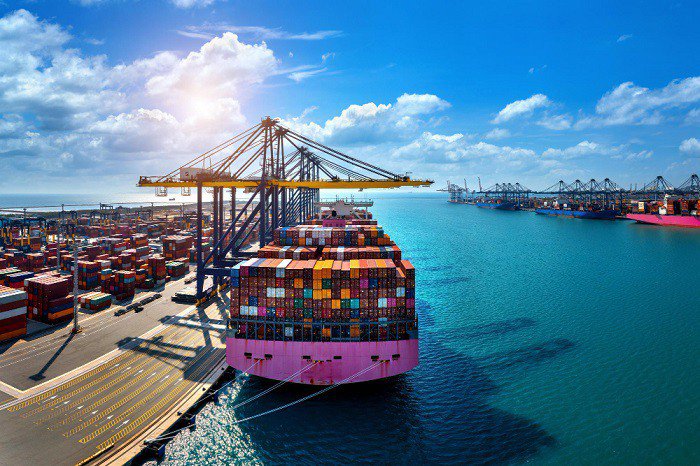
Global trade between China and Spain is growing rapidly, and importers need cost-effective, reliable solutions for bulk cargo. Choosing the best sea freight from Shenzhen to Spain ensures affordable rates, predictable transit times, and smooth customs clearance. With the right logistics partner, businesses can avoid delays, reduce shipping costs, and optimize their supply chain.
1. Why Choose Sea Freight from Shenzhen to Spain?
Sea freight remains the backbone of international trade, especially for large volumes. From electronics and furniture to textiles and auto parts, shipping by sea is the most economical method. Moreover, Spain’s ports such as Valencia, Barcelona, and Algeciras provide excellent connections to the EU market.
2. How Much Does Sea Freight from Shenzhen to Spain Cost?
Shipping costs vary based on container size, cargo weight, and service type.
| Container Type | Average Cost (USD) | Capacity | Best For |
|---|---|---|---|
| 20ft FCL | $2,000 – $3,200 | 28–30 CBM | Small-medium shipments |
| 40ft FCL | $3,800 – $5,500 | 58–60 CBM | Bulk shipments |
| LCL (per CBM) | $120 – $180 | Shared space | Small cargo <15 CBM |
Additionally, customs duties, insurance, and handling fees add to the total cost.
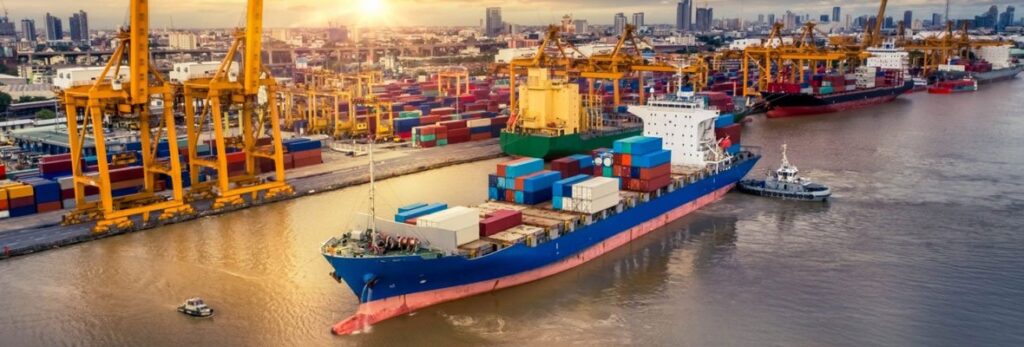
3. What Is the Transit Time from Shenzhen to Spain?
| Route | Shipping Mode | Transit Time |
|---|---|---|
| Shenzhen – Valencia | FCL | 28–33 days |
| Shenzhen – Barcelona | FCL | 30–35 days |
| Shenzhen – Algeciras | FCL | 29–34 days |
| Shenzhen – Spain (LCL) | LCL | 32–38 days |
While sea freight takes longer than air, it remains the most cost-efficient choice for large shipments.
4. What Documents Are Required for Customs Clearance in Spain?
| Document | Purpose |
|---|---|
| Bill of Lading (B/L) | Proof of shipment and ownership |
| Commercial Invoice | Declares value of goods |
| Packing List | Cargo breakdown and weight |
| Certificate of Origin | Determines tariff duties |
| Import Declaration (DUA) | Required by Spanish customs |
| CE Certificates | For regulated products (electronics, toys, machinery) |
Without proper documentation, shipments may face delays or fines.
5. FCL vs LCL: Which Is the Best Option?
| Shipping Method | Pros | Cons | Ideal For |
|---|---|---|---|
| FCL (Full Container Load) | Lower unit cost, fewer inspections, faster handling | Requires large volume | Shipments >15 CBM |
| LCL (Less than Container Load) | Lower upfront cost, flexible | Slower clearance, more handling | Shipments <15 CBM |
When planning long-term supply chain needs, FCL is usually more efficient.
6. Sea Freight vs Air vs Rail Freight to Spain
| Mode | Transit Time | Cost | Pros | Cons |
|---|---|---|---|---|
| Sea Freight | 28–38 days | Low | Ideal for bulk cargo | Slower than other modes |
| Air Freight | 5–8 days | High | Fast and reliable | Expensive |
| Rail Freight | 18–22 days | Medium | Balanced time and cost | Limited routes |
Therefore, sea freight is the best choice for importers focusing on cost savings.
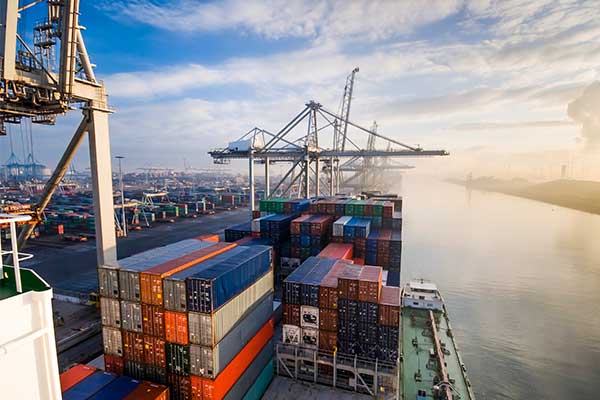
7. Which Ports in Spain Are Best for Imports?
- Valencia Port: Largest container hub, excellent EU connections.
- Barcelona Port: Ideal for Mediterranean trade.
- Algeciras Port: Strategic entry point for Atlantic and Mediterranean cargo.
- Bilbao Port: Serves northern Spain and France.
Choosing the right port depends on your delivery destination.
8. How to Avoid Delays in Customs Clearance?
- Ensure all documents are accurate and complete.
- Use the correct HS codes for products.
- Work with experienced freight forwarders familiar with Spanish regulations.
- Pre-pay customs duties and VAT when possible.
- Plan ahead during peak seasons (Christmas, Chinese New Year).
9. What Goods Are Commonly Shipped from Shenzhen to Spain?
- Electronics and IT equipment
- Furniture and home goods
- Toys and textiles
- Auto parts and machinery
- Medical equipment and supplies
Each category requires compliance with EU safety standards, CE certifications, and labeling rules.
10. How to Choose the Best Sea Freight Forwarder?
- Experience: Proven track record with China–Spain routes.
- Service Range: Customs clearance, warehousing, and inland delivery.
- Transparency: Clear quotes without hidden charges.
- Network: Strong relationships with carriers like COSCO, Maersk, MSC.
- Support: Multilingual customer service and real-time tracking.
11. Pros and Cons of Using Sea Freight from Shenzhen to Spain
| Pros | Cons |
|---|---|
| Most affordable for bulk goods | Longer transit times |
| Wide container options (FCL & LCL) | Risk of port congestion |
| Reliable shipping schedules | Requires detailed documentation |
| Lower carbon footprint compared to air freight | Seasonal delays during holidays |
📦Get a Free Quote
Working with a trusted freight forwarder can make all the difference. If you’re planning shipments to Spain, our team specializes in professional sea freight services, customs clearance, and supply chain optimization. Contact us today for a tailored solution that saves both time and money.
❓ Frequently Asked Questions
1. How much does the best sea freight from Shenzhen to Spain cost?
Costs range from $2,000 for 20ft FCL to $5,500 for 40ft FCL, with LCL averaging $120–$180 per CBM.
2. How long does shipping from Shenzhen to Spain take by sea?
On average, it takes 28–35 days depending on the port and shipping line used.
3. Which Spanish port is best for imports from Shenzhen?
Valencia is the largest and most efficient, followed by Barcelona and Algeciras.
4. Do I need CE certification for imports to Spain?
Yes, CE marking is required for electronics, toys, machinery, and other regulated goods entering the EU market.
5. Is LCL or FCL better for shipping to Spain?
FCL is better for shipments over 15 CBM, while LCL is cost-effective for smaller cargo.
Conclusion
Choosing the best sea freight from Shenzhen to Spain is the smartest move for businesses importing bulk goods. Although sea shipping takes longer than air freight, it offers unbeatable cost efficiency, reliable scheduling, and broad cargo handling capacity. By preparing documents properly, selecting the right port, and working with experienced freight forwarders, importers can ensure seamless logistics and long-term savings.