Shanghai to Los Angeles: Cheapest and fastest (15–20 days).
Shenzhen to New York: Longer transit (30–35 days).
Ningbo to Houston: Mid-range option (25–28 days).
What Factors Influence the Best Shipping Rates?
Fuel surcharges and seasonal demand.
Container shortages during peak seasons.
Port congestion at Los Angeles, Long Beach, or New York.
Customs clearance speed and documentation accuracy.
Sea Freight vs Air Freight: Which Saves More?
Method
Pros
Cons
Sea Freight
Cheapest for bulk, high capacity
Slower, requires planning
Air Freight
Fast and reliable
Expensive, limited weight
Courier
Door-to-door convenience
High per-kg charges
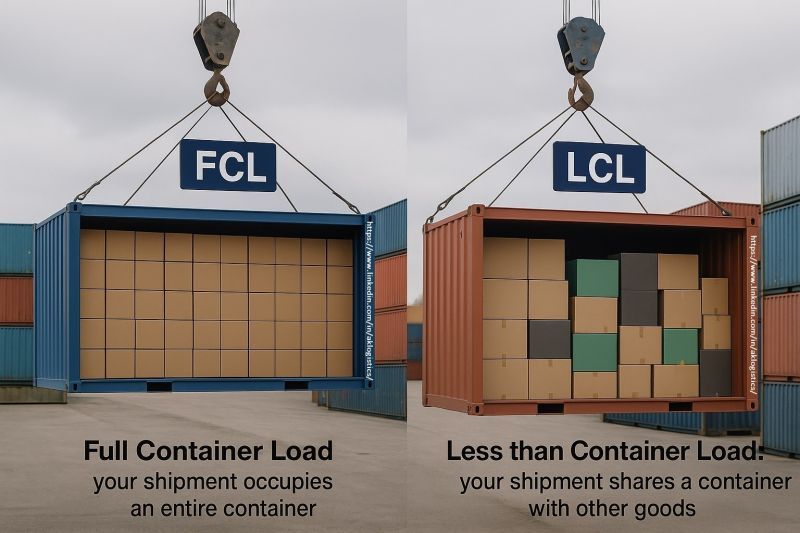
Should You Choose FCL or LCL?
Option
Cost
Pros
Cons
FCL (Full Container)
$2,500–$6,000
Secure, predictable
Higher upfront cost
LCL (Less than Container)
$60–$90 per CBM
Affordable for small cargo
Longer handling times
Which Documents Are Needed for Smooth Customs?
Document
Purpose
Bill of Lading
Proof of shipment
Commercial Invoice
Declares value
Packing List
Lists contents
Importer Security Filing (ISF)
Mandatory for US entry
Customs Declaration
Clearance requirement
Can You Reduce Shipping Costs Further?
Yes, by:
Booking space early before peak seasons.
Using consolidation services for LCL.
Choosing alternative US ports to avoid congestion.
Working with experienced Chinese freight forwarders.
How Do Incoterms Affect Shipping Rates?
FOB: Buyer manages shipping from China port.
CIF: Seller covers sea freight and insurance.
DDP: Door-to-door service, but higher cost.
Pros and Cons of Shipping Methods
Method
Pros
Cons
Sea Freight
Cost-effective, eco-friendly
Long transit
Air Freight
Fast, secure
High rates
Courier
Convenient, tracked
Not scalable
Real Example: Cost Breakdown
Cargo: 1 × 40ft container Shenzhen → Los Angeles
Freight Rate: $5,200
Port Charges: $250
ISF Filing & Customs: $120
Insurance: $100
Total Cost: $5,670
Final Thoughts
In conclusion, securing the best shipping rates from China to US requires comparing methods, preparing customs documents, and planning ahead. Sea freight remains the cheapest option for bulk cargo, while air freight and courier services suit urgent or smaller shipments. Partnering with reliable freight forwarders ensures lower costs, fewer delays, and more efficient supply chains.
1. Can seasonal demand change shipping rates quickly?
Yes, peak periods like Chinese New Year and holiday seasons often cause container shortages, leading to higher rates and longer booking lead times.
2. Do freight forwarders help negotiate better rates?
Absolutely. Experienced forwarders have established contracts with carriers, allowing them to secure lower rates and provide more stable pricing for clients.
3. Are there hidden charges in US customs clearance?
Yes, charges may include inspection fees, port surcharges, and demurrage if cargo isn’t cleared quickly. Proper documentation helps avoid additional expenses.
4. Can small e-commerce sellers access container shipping?
Yes, they can use LCL consolidation services, paying only for the space used. This makes sea freight affordable for startups and small importers.
5. Do Incoterms affect shipping rate negotiations?
Yes. Under FOB, buyers control carrier negotiations. Under CIF or DDP, sellers include freight costs, limiting a buyer’s ability to shop for better rates.