

- By kelly
- October 17, 2025
- Logistics, Tips or Guide
Best Way to Ship Clothing from China to Europe: Complete Guide
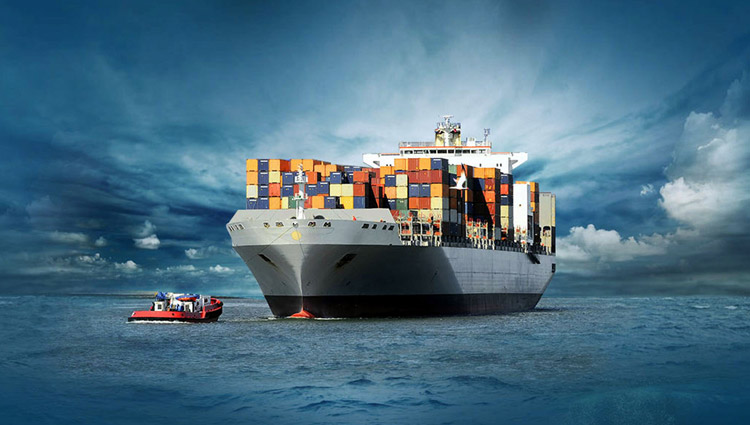
Fashion businesses importing apparel face one recurring challenge: finding the best way to ship clothing from China to Europe. Since the fashion industry is driven by seasons and fast-changing consumer demand, logistics must balance speed, cost, and compliance. However, with the right shipping method and proper planning, importers can reduce delays, control expenses, and ensure timely market entry.
1. Why Is Shipping Clothing from China to Europe Challenging?
Clothing imports require strict attention to customs clearance, labeling rules, delivery deadlines, and shipping costs. Apparel is lightweight but bulky, which makes freight method selection critical. Moreover, customs inspections in Europe are strict regarding textile origin and labeling compliance.
2. What Are the Main Shipping Methods for Clothing?
There are four primary logistics solutions: air freight, sea freight, rail freight, and courier services. Each has different costs, timelines, and advantages.
Table 1: Shipping Method Comparison
| Method | Avg. Transit Time | Avg. Cost | Best For | Pros | Cons |
|---|---|---|---|---|---|
| Air Freight | 5–9 days | $5–$8/kg | Urgent fashion deliveries | Fast, secure | High cost |
| Sea Freight FCL | 28–35 days | $2,500–$3,200 per 40ft | Large volumes | Cheapest bulk option | Long lead time |
| Sea Freight LCL | 30–40 days | $80–$140/cbm | Small–medium batches | Flexible | Risk of delays |
| Rail Freight | 18–22 days | $4,000–$5,000 per 40ft | Mid-size shipments | Faster than sea | Limited routes |
| Courier | 3–6 days | $10–$15/kg | Samples, urgent small orders | Door-to-door | Expensive |
3. How Long Does It Take to Ship Clothing from China to Europe?
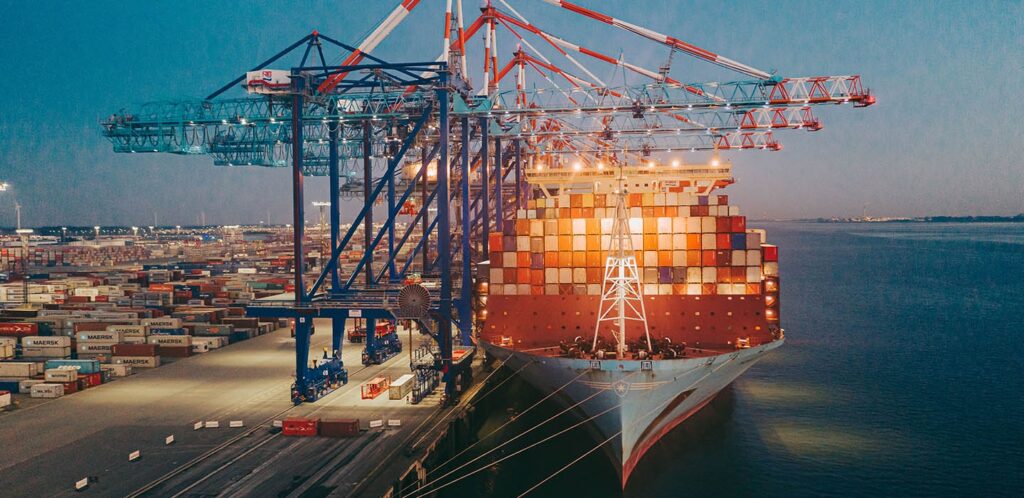
Transit times depend on the shipping method and route.
Table 2: Transit Time by Route
| Route (China → Europe) | Air Freight | Sea Freight | Rail Freight | Courier |
|---|---|---|---|---|
| Shanghai → Rotterdam | 5–7 days | 28–32 days | 18–20 days | 3–5 days |
| Shenzhen → Hamburg | 6–9 days | 30–35 days | 20–22 days | 4–6 days |
| Ningbo → Antwerp | 6–8 days | 28–34 days | 18–21 days | 3–6 days |
4. Why Choose Air Freight for Apparel?
Air freight is the preferred choice for fast fashion retailers, since it provides the speed needed for seasonal trends. Moreover, it reduces warehouse costs by supporting just-in-time inventory. However, the cost per kilogram is much higher than sea or rail freight, making it suitable only for urgent orders.
5. Is Sea Freight the Cheapest Way to Ship Clothing?
Yes, sea freight (FCL) is the most economical way for large-volume apparel imports. It is ideal for wholesalers who prioritize cost savings. On the other hand, LCL shipping works for smaller orders but may face delays due to consolidation.
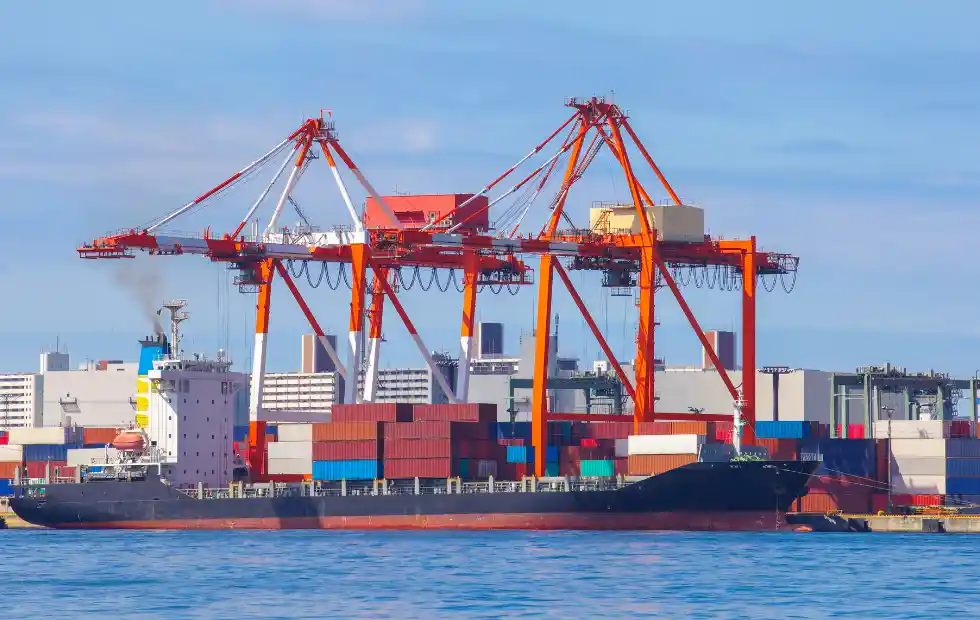
6. How Does Rail Freight Compare with Other Modes?
7. What Documents Are Required for Importing Clothing?
Customs clearance is a critical step. Missing paperwork can cause long delays.
Table 3: Customs Documents Checklist
| Document | Purpose |
|---|---|
| Commercial Invoice | Declares shipment value |
| Packing List | Details clothing items |
| Bill of Lading / AWB | Shipping contract proof |
| HS Code Declaration | Determines tariff duties |
| Certificate of Origin | Confirms production country |
| Textile Labeling Compliance | EU textile rules |
8. How Much Does It Cost to Ship Clothing from China to Europe?
The cost depends on shipment type, volume, and delivery method.
Table 4: Cost Examples
| Shipment Type | Air Freight | Sea Freight | Rail Freight | Courier |
|---|---|---|---|---|
| 500 kg fast fashion | $2,500–$3,800 | N/A | $3,500–$4,200 | $5,500–$7,000 |
| 40ft container | N/A | $2,800–$3,200 | $4,500–$5,000 | N/A |
| Small sample batch | $500–$800 | $100–$150/cbm | N/A | $800–$1,200 |
9. Should You Choose FCL or LCL?
- FCL (Full Container Load): Best for bulk clothing shipments, reduces handling and damage.
- LCL (Less than Container Load): Works for small orders but involves longer waiting periods and higher per-unit cost.
10. What Are the Pros and Cons of Each Shipping Method?
Table 5: Pros and Cons
| Method | Pros | Cons |
|---|---|---|
| Air Freight | Fast, reliable | High price |
| Sea Freight | Cheapest for bulk | Long lead time |
| Rail Freight | Balanced cost and time | Limited coverage |
| Courier | Quick, door-to-door | Very costly |
11. How Can You Avoid Delays When Importing Clothing?
- Submit accurate customs documents before shipment.
- Ensure clothing items meet EU labeling requirements.
- Avoid peak season congestion by booking in advance.
- Partner with experienced freight forwarders.
📦Get a Free Quote
Do you need expert help finding the best way to ship clothing from China to Europe? Our team specializes in apparel logistics, offering tailored air, sea, and rail solutions. Contact us today for a customized freight quote and reliable delivery.
❓ Frequently Asked Questions
1. What is the best way to ship clothing from China to Europe?
Sea freight is cheapest for bulk, while air freight is fastest for urgent apparel shipments.
2. How long does sea freight take?
Sea freight typically takes 28–35 days, depending on the departure port and European destination.
3. Can rail freight be used for clothing imports?
Yes. Rail freight delivers in 18–22 days and is cost-effective compared to air freight.
4. What documents are needed for customs clearance?
Essential documents include invoices, packing lists, bills of lading, HS codes, and certificates of origin.
5. How much does air freight cost for clothing?
Air freight averages $5–$8 per kilogram, making it best for smaller, time-sensitive shipments.
Conclusion
The best way to ship clothing from China to Europe depends on your business needs. For wholesalers, sea freight is the most affordable method. For retailers focusing on speed, air freight ensures quick replenishment, while rail freight offers a balanced alternative. By preparing documents properly and selecting the right logistics partner, apparel companies can optimize supply chains, save costs, and meet fast-changing European fashion demand.