

Best Way to Ship Clothing from China to USA: An Expert Guide
Shipping clothing from China to the USA presents unique challenges for businesses, from managing complex logistics to navigating international customs. Understanding the most efficient and cost-effective methods is crucial for maintaining a competitive edge and ensuring timely delivery of your apparel products. This comprehensive guide from China Top Freight will explore the best way to ship clothing from China to USA, offering insights into various shipping options, cost optimization, and regulatory compliance.
Understanding Your Clothing Shipping Needs
Before selecting a shipping method, it is essential to thoroughly assess your specific requirements for apparel logistics. Indeed, factors such as cargo volume, urgency of delivery, and your allocated budget play a significant role in determining the most suitable approach. Therefore, a clear understanding of these elements will guide your decision-making process.
Moreover, the type of clothing you are shipping, whether high-value fashion items, seasonal collections, or bulk basics, influences packaging and handling considerations. Furthermore, the importance of a reliable delivery schedule cannot be overstated, especially for businesses dependent on fast-moving fashion trends or seasonal sales events. Consequently, evaluating these needs upfront ensures a more efficient and cost-effective shipping strategy.

Primary Shipping Methods for Clothing from China to USA
When considering the best way to ship clothing from China to USA, several primary methods are available, each with distinct advantages and disadvantages. Your choice will largely depend on balancing speed, cost, and shipment size.
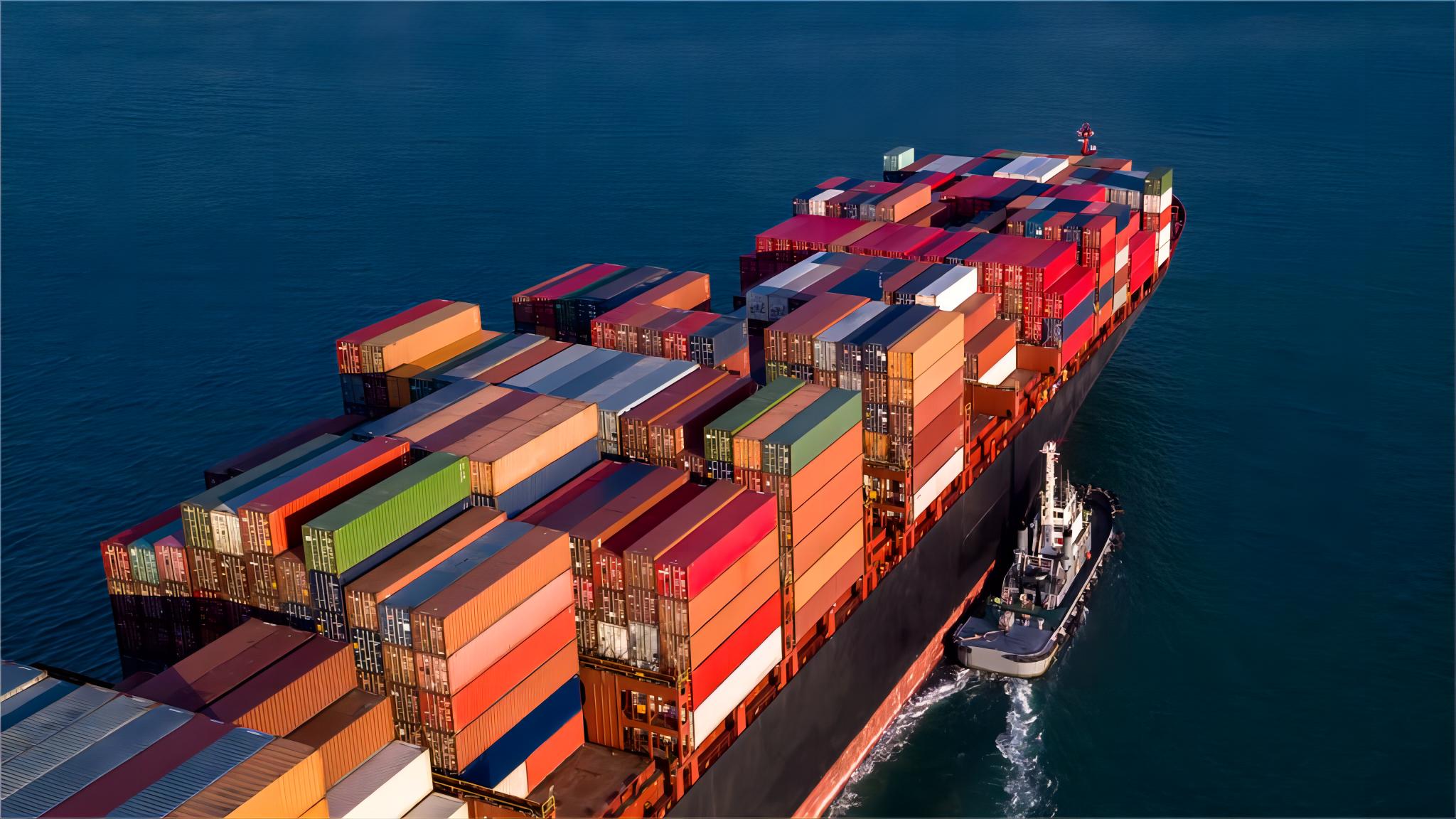
Firstly, sea freight is often the most economical option for larger volumes of clothing. It involves shipping containers across the ocean, offering both Full Container Load (FCL) and Less than Container Load (LCL) services. Secondly, air freight provides significantly faster transit times, ideal for time-sensitive fashion collections or urgent replenishment orders. Thirdly, express courier services, offered by providers like DHL or FedEx, are perfect for very small, high-value, or urgent shipments, delivering door-to-door with rapid speed.
How Does Sea Freight Compare to Other Options for Clothing?
While sea freight offers unparalleled cost-efficiency for bulk apparel, it is important to compare its characteristics with air freight and express services. This comparison helps businesses make informed decisions based on their supply chain priorities. Each method presents unique trade-offs in terms of shipping costs, transit time, and flexibility.
| Shipping Method | Cost Range (per kg) | Transit Time (China to USA) | Best For | Limitations |
|---|---|---|---|---|
| Sea Freight (LCL) | $0.50 – $2.00 | 25-45 days | Large volumes, non-urgent, cost-sensitive | Slow, potential for delays, minimum volume |
| Sea Freight (FCL) | $0.20 – $1.00 | 15-35 days | Very large volumes, consistent shipments | Requires full container, longer lead times |
| Air Freight | $4.00 – $8.00 | 5-10 days | Time-sensitive, high-value, medium volumes | Higher cost, limited space, weight restrictions |
| Express Courier | $7.00 – $15.00 | 2-5 days | Small, urgent, samples, e-commerce direct | Highest cost, strict weight/size limits, duties often prepaid |

Navigating Customs and Documentation for Apparel Imports
Successfully importing clothing into the USA requires meticulous attention to customs regulations and documentation. Indeed, errors in this area can lead to significant delays, fines, or even seizure of goods. Therefore, understanding the requirements is paramount for smooth apparel logistics.
Primarily, all clothing shipments must comply with U.S. Customs and Border Protection (CBP) rules, including accurate classification using Harmonized System (HS) codes. Moreover, proper labeling, country of origin marking, and adherence to textile quotas or specific regulations (e.g., CPSC for children’s wear) are critical. Engaging a professional customs brokerage service is highly recommended to ensure compliance and streamline the process.
| Document | Purpose | Key Information Required | Notes |
|---|---|---|---|
| Commercial Invoice | Details transaction between buyer/seller | Description of goods, value, quantity, HS codes | Must match packing list and bill of lading |
| Packing List | Itemizes contents of each package | Quantity, weight, dimensions per carton/item | Aids customs inspection and cargo handling |
| Bill of Lading (B/L) / Air Waybill (AWB) | Contract of carriage, title to goods | Shipper, consignee, carrier, ports, freight terms | B/L for sea, AWB for air freight |
| Certificate of Origin (COO) | Confirms country of manufacture | Origin of goods, often required for tariffs/duties | May be needed for specific trade agreements |
| Customs Bond | Guarantees payment of duties/taxes | Required for commercial imports over $2,500 | Can be single entry or continuous |
Optimizing Costs and Transit Times for Your Clothing Shipments
Achieving the best way to ship clothing from China to USA often involves strategic decisions to optimize both shipping costs and transit times. There are several proven strategies that businesses can employ to enhance their supply chain efficiency.
For instance, consolidating multiple smaller orders into a larger LCL or even FCL shipment can significantly reduce per-unit shipping costs. Furthermore, planning your shipments to avoid peak seasons, such as pre-holiday rushes, can lead to more favorable freight rates. Additionally, exploring hybrid solutions, like sea-air options, where goods travel by sea for the main leg and then by air for the final, urgent stretch, can offer a balance between speed and expense. Moreover, understanding the impact of Incoterms on who bears the cost and risk is crucial for effective budget management.
Choosing the Right Freight Forwarder for Apparel Logistics
Selecting a knowledgeable and reliable freight forwarder is perhaps the most critical step in ensuring successful apparel logistics from China to USA. A proficient partner can navigate the complexities of international shipping, saving you time and money. They essentially become an extension of your supply chain.
Look for a forwarder with extensive experience in handling clothing and textiles, as this industry has unique regulatory and handling requirements. Moreover, a robust global network, including strong relationships with carriers and local agents, is vital for smooth operations. Services like door-to-door delivery, cargo insurance, and advanced tracking capabilities are also important considerations. Ultimately, a good freight forwarder offers transparency, proactive communication, and expertise in customs and compliance, ensuring your goods arrive safely and on schedule.
Real-World Clothing Shipping Scenarios: Case Studies
To illustrate the practical application of these shipping strategies, let us examine a few real-world scenarios. These case studies highlight how different shipping methods are chosen based on specific business needs, cargo characteristics, and market conditions, providing insight into total landed cost and delivery schedule.
Case Study 1: Large Volume, Cost-Effective Sea Freight (FCL)
A fast-fashion retailer needed to replenish their winter collection, comprising 20,000 units of various garments. Cost-efficiency was the primary concern, with a moderate lead time. This scenario demonstrates the benefits of FCL sea freight for bulk orders.
| Detail | Value |
|---|---|
| Route | Shanghai, China -> Los Angeles, USA |
| Cargo | Winter clothing (jackets, sweaters), 60 CBM, 10,000 kg |
| Container | 1 x 40HQ |
| Shipping Details | Carrier: COSCO, Port of Loading: Shanghai, Port of Discharge: Los Angeles, Route Type: Direct |
| Cost Breakdown | Ocean Freight: $3,200, Origin Charges: $450, Destination Charges: $500, Customs & Duties (estimated): $1,500, Total Landed Cost: $5,650 (Approx. $0.28/unit) |
| Timeline | Booking to Loading: 5 days, Sea Transit: 16 days, Customs Clearance: 3 days, Total Door-to-Door: 28 days |
| Key Insight | FCL provided excellent per-unit cost savings. Based on Q3 2024 market rates, this was a highly efficient solution for a large, non-urgent order. |
Case Study 2: Medium Volume, Time-Sensitive Air Freight
An e-commerce brand launched a new limited-edition capsule collection and required rapid delivery to meet pre-order demand. Speed was paramount, justifying a higher freight rate for quicker market entry.
| Detail | Value |
|---|---|
| Route | Guangzhou, China -> Dallas, USA |
| Cargo | Limited-edition dresses, 5 CBM, 800 kg |
| Container | Air Cargo (800 kg) |
| Shipping Details | Carrier: Cathay Pacific Cargo, Airport of Loading: Guangzhou (CAN), Airport of Discharge: Dallas/Fort Worth (DFW), Route Type: Direct |
| Cost Breakdown | Air Freight: $4,800, Origin Charges: $200, Destination Charges: $150, Customs & Duties (estimated): $300, Total Landed Cost: $5,450 (Approx. $6.81/kg) |
| Timeline | Booking to Loading: 2 days, Air Transit: 4 days, Customs Clearance: 1 day, Total Door-to-Door: 9 days |
| Key Insight | Air freight enabled fast market entry for a high-demand product, maximizing sales potential despite higher shipping costs. Typical rates as of early 2025. |
Case Study 3: Small Volume, Consolidated LCL Sea Freight
A small boutique needed to import a diverse range of designer accessories and a small batch of clothing from multiple suppliers. They sought a balance between cost and a reasonable delivery timeframe for their mixed cargo.
| Detail | Value |
|---|---|
| Route | Ningbo, China -> New York, USA |
| Cargo | Designer accessories & clothing, 3 CBM, 350 kg |
| Container | LCL 3 CBM |
| Shipping Details | Carrier: Maersk (via consolidator), Port of Loading: Ningbo, Port of Discharge: New York, Route Type: Transshipment via Busan |
| Cost Breakdown | Ocean Freight: $450, Origin Charges: $150, Destination Charges: $200, Customs & Duties (estimated): $250, Total Landed Cost: $1,050 (Approx. $350/CBM) |
| Timeline | Booking to Loading: 7 days, Sea Transit: 30 days, Customs Clearance: 4 days, Total Door-to-Door: 45 days |
| Key Insight | LCL consolidation was ideal for combining multiple small orders, offering cost savings over air freight for non-urgent, smaller volumes. Market data suggests these rates are common in Q4 2024. |
Which Shipping Option Should You Choose for Your Clothing Business?
Deciding on the best way to ship clothing from China to USA ultimately depends on a clear understanding of your business priorities. Consider these factors to formulate your optimal shipping strategy.
If budget priority is paramount and you have significant lead time, then sea freight, especially LCL or FCL depending on volume, is the recommended option. Conversely, if speed priority is crucial for seasonal collections or urgent stock replenishment, air freight or express services are your best choices. For cargo type considerations, delicate or high-value items might benefit from air freight’s faster handling and reduced transit risk, whereas durable bulk items are well-suited for sea transport. Lastly, volume thresholds for switching methods are important; typically, shipments exceeding 2 CBM often become more cost-effective via LCL sea freight rather than express, and above 15 CBM, FCL sea freight often presents the best value.

Current Market Trends Affecting China-USA Freight Rates
The global logistics landscape is dynamic, and current market trends significantly impact freight rates and transit times for clothing shipments from China to the USA. Staying informed about these trends is crucial for effective supply chain management.
As of early 2025, ocean freight rates have shown some stabilization after periods of volatility caused by factors like port congestion and geopolitical events. However, seasonal patterns still dictate fluctuations, with rates typically increasing by 15-25% during the August-October peak season leading up to Western holidays. Moreover, fuel surcharges remain a notable component of overall shipping costs. Industry average for this route indicates that planning ahead and booking early can mitigate some of these cost increases. Note: Freight rates are subject to change based on fuel costs, carrier capacity, and seasonal demand. Contact us for a current quote tailored to your specific shipment.
Conclusion
Ultimately, determining the best way to ship clothing from China to USA hinges on a careful evaluation of your specific business needs, budget, and time constraints. Whether opting for the cost-effectiveness of sea freight or the speed of air cargo, partnering with an experienced freight forwarder is paramount. <a href=”https://chinatopfreight.com/”>China Top Freight</a> is here to help you navigate these complexities, ensuring your clothing shipments arrive efficiently and reliably.
Need a tailored shipping solution?
Ready to optimize your apparel supply chain and find the best way to ship clothing from China to USA? Contact our experts today for a personalized consultation and a competitive quote tailored to your specific needs.