

Finding the best way to ship food products from China to UK is one of the most pressing concerns for importers. Between food safety rules, customs clearance, and strict timelines, businesses must balance cost, speed, and compliance to avoid losses. This article explores every option, compares shipping methods, and provides practical solutions for food import success.

1. Why Is Shipping Food from China to the UK So Challenging?
Food products are perishable, sensitive to temperature, and subject to strict import/export regulations. Importers often face delays due to incomplete customs paperwork or improper packaging. Moreover, shipping costs and transit times vary widely depending on the method chosen. Understanding these factors ensures your supply chain stays reliable.
2. How Do Air Freight and Sea Freight Compare for Food Shipping?
Air freight ensures quick delivery of perishable goods like fresh fruit, seafood, and specialty products. However, sea freight dominates for frozen, canned, or dry food due to its lower costs.
| Factor | Air Freight | Sea Freight |
|---|---|---|
| Cost | High | Low |
| Speed | 5–10 days | 30–40 days |
| Capacity | Limited | Large |
| Reliability | High | Risk of port delays |
| Ideal Cargo | Perishables, small batches | Bulk frozen, canned, beverages |
3. What Shipping Methods Are Available for Food Products?
Importers can choose from air freight, sea freight, courier/express, and rail freight depending on urgency, cargo volume, and budget. Each has distinct pros and cons.
| Shipping Method | Avg. Cost (per kg/CBM) | Transit Time | Best For | Pros | Cons |
|---|---|---|---|---|---|
| Air Freight | $4–$7/kg | 5–10 days | Fresh & perishable foods | Fast, secure | High cost, weight limits |
| Sea Freight (FCL/LCL) | $800–$3,500/container | 30–40 days | Bulk frozen/dry foods | Cost-effective, large volume | Slow, risk of delays |
| Courier/Express | $8–$12/kg | 3–7 days | Small samples, urgent food items | Fastest option | Expensive |
| Rail Freight (via Eurasia) | $2,500–$4,000/container | 20–25 days | Frozen & packaged goods | Balanced speed/cost | Limited routes, capacity |
What are you waiting for?
Contact chinatopfreight for a fast, free quote.
Are you ready to book?
Access live instant freight quotes
4. What Documents Are Needed for Customs Clearance?
The UK customs clearance process requires precise documentation. Missing a single certificate may cause rejection or fines.
| Document | Purpose |
|---|---|
| Commercial Invoice | Details product, price, origin |
| Packing List | Confirms cargo contents |
| Bill of Lading/Air Waybill | Shipping contract |
| Phytosanitary Certificate | Required for plants/produce |
| Health Certificate | Confirms food safety compliance |
| Import License | For restricted food types |
| Certificate of Origin | Confirms country of manufacture |
5. What Is the Role of Cold Chain Logistics?
Cold chain logistics is critical when transporting frozen foods, dairy, seafood, or meat. Containers with temperature control ensure goods remain fresh. Additionally, data loggers and IoT tracking help monitor conditions throughout the journey.
6. Should You Choose FCL or LCL for Food Products?
- FCL (Full Container Load): Best for large volumes; reduces contamination risk.
- LCL (Less than Container Load): Cheaper for small shipments but increases risk of delays and handling damage.
| Container Size | Avg. Cost China–UK | Best For |
|---|---|---|
| 20ft FCL | $2,000–$2,800 | Frozen, canned, packaged foods |
| 40ft FCL | $3,200–$4,000 | Beverages, dry goods in bulk |
| LCL (per CBM) | $120–$180 | Mixed food shipments |
7. How Long Does It Take to Ship Food from China to the UK?
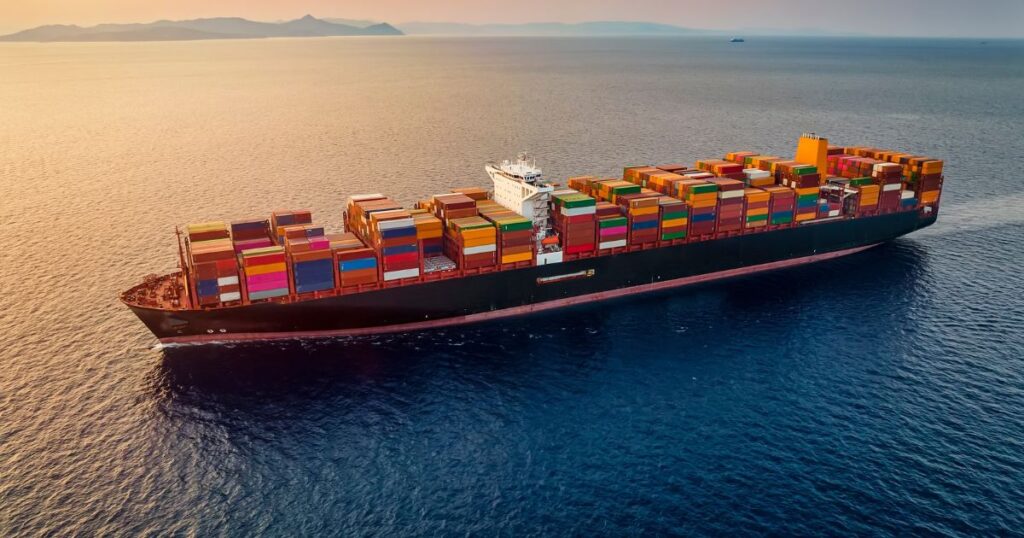
Transit time depends on method and route.
| Route | Air Freight | Sea Freight | Rail Freight |
|---|---|---|---|
| Shanghai – London | 7 days | 32 days | 22 days |
| Shenzhen – Manchester | 6 days | 35 days | 23 days |
| Qingdao – Felixstowe | 8 days | 30 days | 20 days |
8. What Regulations Govern Food Imports into the UK?
The UK Food Standards Agency (FSA) and HM Revenue & Customs set strict rules on food safety, labeling, and packaging. Importers must comply with:
- UK General Food Law (traceability requirements)
- Packaging & labeling (ingredient lists, allergens, nutrition facts)
- Restricted items (e.g., certain meats, dairy, live animals)
Failure to comply may lead to confiscation and penalties.
9. How Can Importers Reduce Shipping Costs?
- Consolidate shipments to reduce LCL costs.
- Book in advance during peak seasons.
- Use rail freight for mid-range cargo.
- Work with freight forwarders for contracted carrier rates.
10. Do Food Products Require Special Insurance?
Yes. Importers should secure cargo insurance covering spoilage, contamination, and temperature failure. This is especially vital for frozen and perishable goods.
11. Why Work with a Professional Freight Forwarder?
A professional forwarder ensures:
- Proper customs documentation
- Reliable cold chain management
- Route optimization
- Cost negotiation with carriers
- Reduced delays at UK ports
This makes forwarders invaluable for companies shipping food products internationally.
Conclusion
The best way to ship food products from China to UK depends on your cargo type and business needs. Air freight ensures speed for perishables, while sea freight reduces costs for bulk goods. Rail freight balances both, and express courier is perfect for samples. By working with an experienced freight forwarder, importers can streamline customs clearance, reduce risks, and secure safe, timely deliveries.
FAQ
1. Can I ship fresh fruits from China to the UK?
Yes, but you must use air freight with cold chain logistics and provide phytosanitary certificates to meet UK import regulations.
2. What is the cheapest method to ship canned foods?
Sea freight in FCL containers is usually the most affordable option for large quantities of canned or packaged foods.
3. Do I need an import license for all food items?
Not for every product, but certain restricted goods like meat and dairy require specific licenses and health certificates.
4. How do I avoid food spoilage during transit?
Use refrigerated containers, temperature monitoring devices, and choose carriers with strong cold chain capabilities to prevent spoilage.
5. Is rail freight reliable for frozen food?
Yes, rail freight offers stable temperature-controlled options and is faster than sea freight, but availability depends on shipping routes.