

- By carlie tj
- November 20, 2025
- Tips or Guide, Transport
Shipping heavy industrial or manufacturing machinery internationally requires precise planning and logistics expertise. Understanding the best way to ship machinery from China to UK helps you minimize costs, reduce transit time, and avoid customs delays. Partnering with a trusted freight forwarder like ChinaTopFreight ensures your equipment arrives safely, efficiently, and fully compliant with UK import regulations.
1. What Is the Best Way to Ship Machinery from China to the UK?
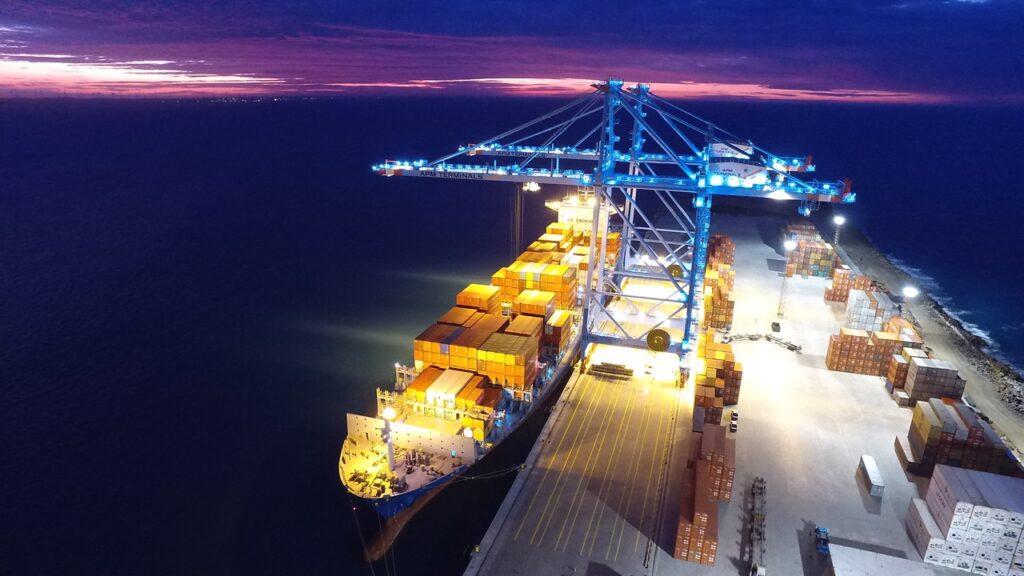
The best way to ship machinery from China to UK depends on factors like size, weight, delivery time, and budget. For heavy or oversized equipment, sea freight (FCL or LCL) remains the most cost-effective option, while air freight is ideal for urgent, high-value, or precision machinery.
Furthermore, choosing between DDU (Delivered Duty Unpaid) and DDP (Delivered Duty Paid) terms impacts your overall cost and import responsibility. For seamless delivery, DDP shipping allows your forwarder to manage duties, customs, and final delivery to your warehouse or project site.
2. Which Shipping Methods Are Available for Machinery from China to UK?
Choosing the right mode of transport ensures efficient and secure machinery delivery. Below is a comparison of common options:
| Shipping Method | Transit Time | Average Cost | Best For | Advantages | Disadvantages |
|---|---|---|---|---|---|
| Sea Freight (FCL) | 25–40 days | $1,500–$2,800 / container | Large, heavy machinery | Cheapest for bulk cargo | Slower transit |
| Sea Freight (LCL) | 28–45 days | $100–$180 / CBM | Medium machinery | Cost-sharing | Risk of damage |
| Air Freight | 5–10 days | $6–$10 / kg | Urgent, high-value equipment | Fastest, secure | High cost |
| Rail Freight | 18–25 days | $3–$5 / kg | Mid-sized machinery | Eco-friendly, faster than sea | Limited routes |
| Express Courier | 3–6 days | $8–$15 / kg | Small parts or tools | Door-to-door | Not for large machinery |
For most manufacturers, FCL sea freight with DDP delivery is the best balance between cost and reliability.
3. How to Prepare Machinery for Export from China?
Proper packaging and handling are crucial to prevent damage during transit. When shipping heavy equipment, follow these guidelines:
- Use ISPM-15 certified wooden crates or pallets for protection.
- Apply anti-corrosion and moisture-proof wrapping for metal parts.
- Label all boxes with weight, dimensions, and “Fragile/Heavy Load” signs.
- Disassemble large machinery to reduce shipping volume.
- Secure all components with steel straps and internal cushioning.
Professional freight forwarders provide custom packaging and cargo securing services, ensuring machinery arrives in optimal condition.
4. What Documents Are Required for Machinery Shipping from China to UK?
To ensure smooth customs clearance, you must prepare the following documents:
| Document | Purpose |
|---|---|
| Commercial Invoice | Declares item value, description, and HS code |
| Packing List | Details cargo weight, volume, and content |
| Bill of Lading / Air Waybill | Shipping proof |
| Certificate of Origin | Confirms manufacturing country |
| Import License | Required for restricted machinery |
| CE Compliance Certificate | Confirms EU safety standards |
| Insurance Certificate | Covers cargo damage or loss |
Incomplete documentation can cause customs delays or penalties, so double-check all requirements before departure.
5. How Much Does It Cost to Ship Machinery from China to the UK?
Costs vary based on shipment volume, mode, and Incoterms. Here’s a general guide:
| Mode | Estimated Cost | Notes |
|---|---|---|
| Sea Freight (FCL) | $1,500–$2,800 / container | Most economical for bulk |
| Sea Freight (LCL) | $100–$180 / CBM | Shared space, longer handling |
| Air Freight | $6–$10 / kg | Fast and secure |
| Rail Freight | $3–$5 / kg | Cost-effective to Europe |
| Express | $8–$15 / kg | Best for spare parts |
Additionally, consider customs duties (2–5%), VAT (20%), and insurance fees when calculating total logistics costs.
6.Should You Choose DDP or DDU Shipping for Machinery Imports?
Choosing between DDP and DDU affects your logistics control and cost transparency.
- DDU (Delivered Duty Unpaid): You handle customs, duty, and VAT in the UK.
- DDP (Delivered Duty Paid): The forwarder handles all import taxes and delivery.
Why DDP is better for machinery:
- Simplifies customs clearance.
- Fixed all-inclusive pricing.
- Reduces import documentation workload.
Hence, DDP is the preferred choice for businesses seeking hassle-free machinery delivery from China to the UK.
7.Conclusion
The best way to ship machinery from China to UK depends on your cargo’s size, urgency, and budget—but expertise makes all the difference.
Working with an experienced freight forwarder ensures compliance with UK import laws, transparent pricing, and secure transport.
Whether you choose sea freight for heavy machinery or air freight for urgent parts, ChinaTopFreight delivers the reliability and precision your business needs to stay competitive in global trade.
8. Request a Quote
China Top Freight offers:
- ✅ Origin and Destination Countries
- ✅ Cargo Type and Volume
- ✅ Preferred Transport Method (Air, Sea, Rail, Road)
- ✅ Delivery Timeline
- ✅ Special Handling Requirements (if any)
9. FAQ
1. What is the most cost-effective method to ship machinery from China to the UK?
Sea freight is the most economical for heavy equipment, offering full-container or LCL options for reduced per-unit shipping costs.
2. How can I ensure my machinery arrives safely?
Use certified wooden crates, corrosion protection, and professional cargo securing services offered by experienced freight forwarders.
3. Are import duties high for machinery shipped from China?
Import duties typically range between 2–5%, with an additional 20% VAT, depending on the machinery classification and declared value.
4. Can machinery be shipped by air freight?
Air freight is suitable for smaller or high-value machinery requiring fast delivery, though it costs significantly more than sea freight.
5. What is the typical transit time by sea freight?
Sea shipments from China to UK ports like Felixstowe or Southampton take approximately 25–40 days, depending on route and weather.