

- By carlie tj
- December 4, 2025
- Tips or Guide, Transport
When planning the booking process for FCL shipping from China to Los Angeles, many importers face obstacles like customs paperwork, cargo delays, and space availability. Fortunately, with the right freight partner like ChinaTopFreight, you can simplify logistics, reduce risks, and ensure on-time delivery. This comprehensive guide walks you through each step with expert insights, pricing comparisons, and customs tips.
1. What Is FCL Shipping and Why Is It Ideal for Los Angeles Imports?
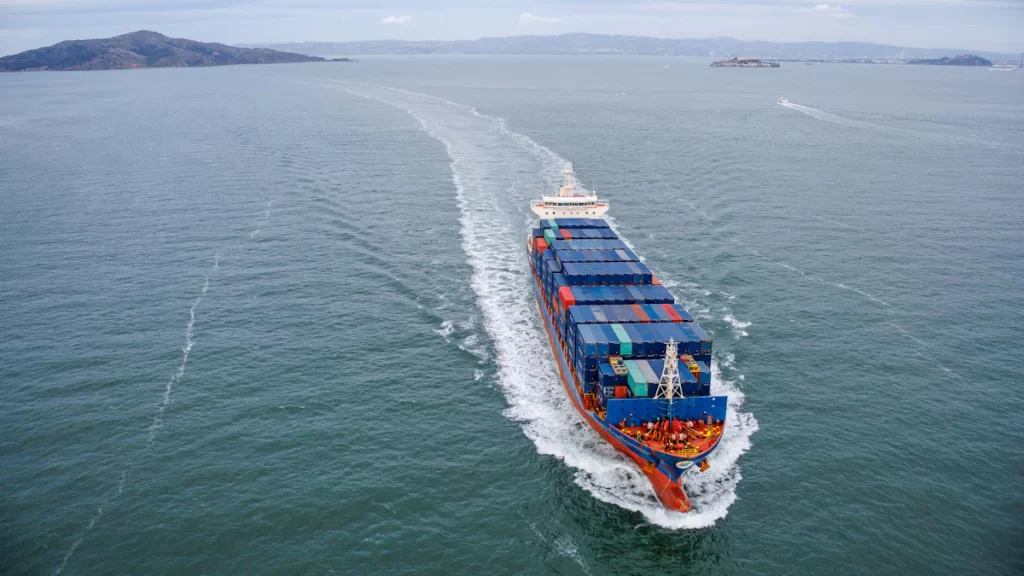
FCL (Full Container Load) shipping refers to reserving an entire container exclusively for your cargo, commonly used for large-volume shipments. Since Los Angeles is one of the busiest ports in the U.S., FCL shipping ensures better control, minimized damage risk, and faster clearance than LCL (Less than Container Load).
Moreover, FCL is highly cost-effective for bulk goods and ideal for industries like electronics, textiles, furniture, and machinery headed to the West Coast.
2. How Do You Start the FCL Booking Process from China?
The booking process begins with planning and collecting essential shipment details. Importers should prepare:
- HS code and cargo description
- Shipment volume and weight
- Preferred Incoterms (e.g., FOB, EXW)
- Port of origin in China (e.g., Shenzhen, Ningbo, Shanghai)
- Delivery location in Los Angeles
Once this information is gathered, contact your freight forwarder for a detailed quote.
3. What Documents Are Required for FCL Shipping to Los Angeles?
Correct documentation is crucial for avoiding customs delays. Common documents include:
- Commercial Invoice
- Packing List
- Bill of Lading (B/L)
- Certificate of Origin
- Importer Security Filing (ISF)
- Customs clearance forms (CBP requirements)
Many Chinese suppliers can assist with document preparation, but it’s the importer’s responsibility to verify all compliance.
Customs Documents Checklist
| Document Name | Purpose | Required By | Submission Deadline |
|---|---|---|---|
| Commercial Invoice | Declares cargo value | U.S. Customs | Before vessel arrival |
| Packing List | Cargo details and packaging info | Carrier / Customs | Before loading |
| ISF Filing | Advance notice of shipment | U.S. CBP | 24 hours before loading |
| Certificate of Origin | Identifies origin for tariffs | Customs Authorities | Alongside other docs |
4. What Are the Transit Times for FCL Shipping to Los Angeles?
Transit time depends on the port of origin, route, and congestion. However, West Coast routes are typically faster than East Coast options.
Transit Time by Port of Origin
| Origin Port | Transit Time (Days) | Typical Route | Notes |
|---|---|---|---|
| Shanghai | 14–17 | Pacific Ocean via Panama | Fast and direct |
| Shenzhen | 12–15 | South China Sea, Pacific | Reliable for electronics exports |
| Ningbo | 16–20 | Via East China Sea | May vary with seasonal demand |
Therefore, early booking and schedule tracking are essential to maintain timely deliveries.
5. What Are the Advantages of FCL Shipping over Air or LCL for LA Imports?
FCL vs. Other Shipping Modes
| Method | Cost | Transit Time | Best For | Drawbacks |
|---|---|---|---|---|
| FCL | Moderate | 12–20 days | Bulk, high-value goods | Requires full container load |
| LCL | Lower | 18–25 days | Small shipments | Higher handling risk |
| Air Freight | High | 3–7 days | Urgent, lightweight cargo | Expensive for large volume |
Therefore, FCL shipping offers the best value when your cargo can fill a container, balancing cost and speed effectively.
6. How Are Container Rates Calculated for China–Los Angeles Shipments?
Container rates for FCL shipping are influenced by factors such as:
- Container type (20GP, 40GP, 40HQ)
- Fuel surcharge (BAF)
- Peak season surcharges
- Terminal handling charges
- Inland trucking from LA port
Getting a tailored quote with all-inclusive pricing helps avoid hidden charges.
7. How Do You Handle Customs Clearance in Los Angeles?
Once the cargo arrives at the Port of Los Angeles, customs clearance involves:
- ISF verification
- Cargo inspection (if flagged)
- Payment of duties and taxes
- Final release for inland transport
To avoid delays, ensure ISF filing is submitted at least 24 hours before the vessel departs China. Non-compliance may result in penalties.
8. What Role Does a Freight Forwarder Play in the Booking Process?
A professional freight forwarder like ChinaTopFreight handles:
- Rate negotiation with carriers
- Booking and scheduling
- Document verification
- Customs clearance coordination
- Door-to-door delivery arrangements
Moreover, experienced forwarders can also provide real-time tracking, cargo insurance, and solutions for port congestion or space shortages.
9. How Do You Prevent FCL Shipping Delays from China to Los Angeles?
To avoid delays:
- Submit ISF and documents on time
- Choose carriers with reliable sailing schedules
- Monitor vessel tracking and customs updates
- Work with freight partners who offer proactive communication
Timely updates allow you to plan inventory and distribution better.
Request a Quote
China Top Freight offers:
- ✅ Origin and Destination Countries
- ✅ Cargo Type and Volume
- ✅ Preferred Transport Method (Air, Sea, Rail, Road)
- ✅ Delivery Timeline
- ✅ Special Handling Requirements (if any)
FAQ
1. How early should I book FCL shipping from China to Los Angeles?
Book at least 2–3 weeks in advance to avoid peak season congestion and secure competitive rates.
2. What Incoterm is best for FCL shipments to Los Angeles?
FOB is preferred as it gives you control from port departure and clarity over logistics responsibilities.
3. Can I track my FCL shipment in real-time?
Yes, most forwarders offer tracking portals or shipment updates from departure to final delivery.
4. Is cargo insurance required for FCL shipping?
While not mandatory, cargo insurance is strongly recommended to protect against loss or damage during transit.
5. What happens if I miss the ISF filing deadline?
Missing the ISF deadline can result in fines up to $5,000 and customs delays at the U.S. port.
Conclusion
Navigating the booking process for FCL shipping from China to Los Angeles requires detailed planning, timely documentation, and a knowledgeable freight partner. From choosing the right container type to handling customs paperwork and delivery coordination, each step plays a critical role in ensuring a smooth supply chain. By working with experienced forwarders like ChinaTopFreight, you can streamline the entire process, reduce costs, and meet delivery deadlines with confidence.