

- By kelly
- October 21, 2025
- Logistics, Tips or Guide
Books Freight China to Europe: Complete Shipping Guide
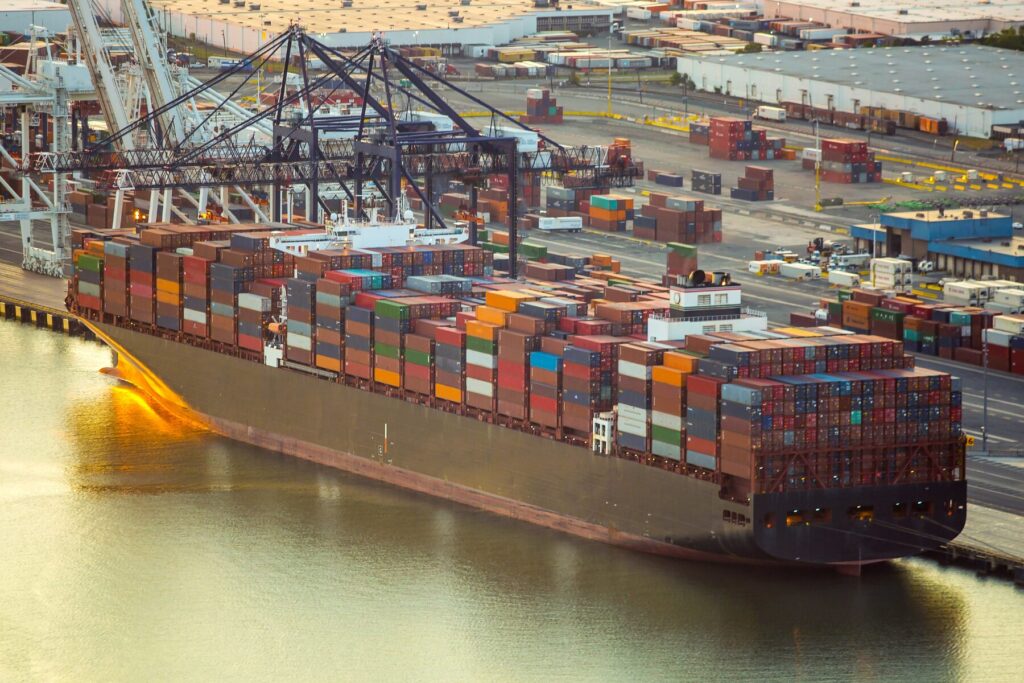
Shipping books from China to Europe requires careful planning, especially for businesses managing bulk distribution or publishers expanding into new markets. With the right books freight China to Europe strategy, importers can minimize costs, reduce delays, and ensure that deliveries reach bookstores, warehouses, or direct customers efficiently. This guide covers shipping methods, customs requirements, transit times, and essential tips to make your logistics smooth.
Why Is Books Freight from China to Europe in High Demand?
China remains one of the world’s largest printing and publishing hubs. Many publishers, wholesalers, and e-commerce sellers source books from China due to competitive printing costs, reliable supply chains, and high-quality production standards. However, logistics can be challenging because books are heavy, bulky, and often shipped in bulk cartons. Therefore, choosing the right freight option becomes critical.
What Shipping Methods Are Available for Books Freight China to Europe?
Books can be shipped using sea freight, air freight, rail freight (China-Europe Railway), or express courier services. Each method has unique benefits and drawbacks depending on shipment size, budget, and urgency.
Shipping Method Comparison
| Shipping Method | Cost (per CBM/100kg) | Transit Time | Pros | Cons |
|---|---|---|---|---|
| Sea Freight (FCL/LCL) | $80–$120 / CBM | 25–40 days | Cheapest for bulk, high capacity | Slow, requires customs clearance |
| Rail Freight (Eurasia) | $150–$200 / CBM | 15–20 days | Balanced speed & cost, eco-friendly | Limited destinations, schedule reliant |
| Air Freight | $5–$8 / kg | 5–10 days | Fast, reliable, suitable for urgent demand | Expensive for heavy cargo like books |
| Express Courier (DHL, FedEx, UPS) | $8–$12 / kg | 3–7 days | Door-to-door, customs handled | Costly, not suitable for very large cargo |
How Much Does It Cost to Ship Books from China to Europe?
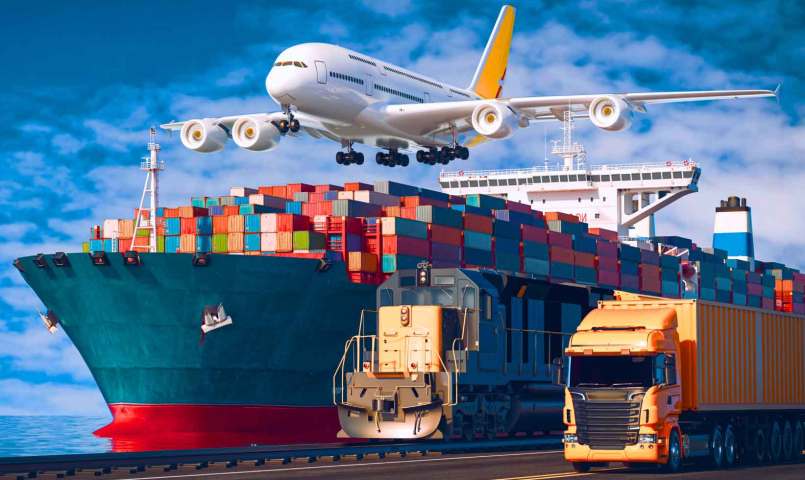
Shipping costs vary depending on the method, volume, and destination port or city. Books are dense cargo, meaning they are usually charged by weight rather than volumetric size.
Container or Cargo Pricing
| Container Type / Method | Typical Cost (China → Europe) |
|---|---|
| LCL (per CBM) | $80–$120 |
| 20ft FCL container | $2,200–$2,800 |
| 40ft FCL container | $3,500–$4,800 |
| Rail (per CBM) | $150–$200 |
| Air Freight (per kg) | $5–$8 |
| Express (per kg) | $8–$12 |
Note: Prices fluctuate based on season, fuel surcharge, and carrier contracts.
How Long Does Books Freight from China to Europe Take?
Transit times are influenced by the chosen mode of transport, departure port, and final destination in Europe.
Transit Time by Destination
| Destination (Europe) | Sea Freight (Days) | Rail Freight (Days) | Air Freight (Days) |
|---|---|---|---|
| Germany (Hamburg) | 30–35 | 15–18 | 5–7 |
| UK (Felixstowe) | 32–38 | 18–20 (via Germany) | 5–8 |
| France (Le Havre) | 28–33 | 16–18 | 5–7 |
| Spain (Valencia) | 30–40 | 18–20 | 6–9 |
| Italy (Genoa) | 27–35 | 17–19 | 6–8 |
| Netherlands (Rotterdam) | 25–30 | 15–17 | 5–7 |
What Customs Documents Are Needed for Books Freight?
Customs clearance is mandatory for books shipped to Europe. Missing paperwork may result in delays or fines.
Customs Documents Checklist
| Document | Purpose |
|---|---|
| Commercial Invoice | Declares product value and buyer/seller info |
| Packing List | Details number of cartons, dimensions, weight |
| Bill of Lading / AWB | Transport contract with carrier |
| Certificate of Origin | Required for some customs duties or tax benefits |
| Import License (if needed) | Certain educational or large volume imports may require |
| HS Code Classification | Ensures correct customs duty calculation |
Should You Choose FCL or LCL for Books Freight?
- FCL (Full Container Load): Best for large volume shipments, lowers per-unit cost, secure handling.
- LCL (Less than Container Load): Suitable for smaller orders but may involve higher handling fees and longer customs clearance.
What Are the Pros and Cons of Different Freight Methods?
Comparison Table: Pros & Cons
| Method | Pros | Cons |
|---|---|---|
| Sea Freight | Low cost, suitable for bulk, widely available | Long transit time, customs heavy |
| Rail Freight | Faster than sea, eco-friendly, cost-effective | Limited destinations, schedule delays |
| Air Freight | Fastest for bulk, reliable schedules | High cost, heavy books = expensive |
| Express | Door-to-door, simple, good for samples or urgent | Unsuitable for large commercial loads |
How to Reduce Costs When Shipping Books from China to Europe?
- Consolidate Cargo: Combine shipments to achieve better LCL or FCL rates.
- Book Early: Peak season surcharges raise costs; advanced booking secures space.
- Choose Rail for Medium Urgency: Offers balance between cost and speed.
- Use Contract Carriers: Partnering with lines like COSCO, OOCL, EMC, MSK reduces rates.
- Optimize Packaging: Reduce wasted space while protecting books.
Can Books Be Shipped Directly to Amazon or Online Retailers?
Yes. Many freight forwarders offer door-to-door delivery directly to Amazon FBA warehouses or e-commerce fulfillment centers in Europe. This saves time on secondary logistics and ensures compliance with marketplace packaging requirements.
Do Books Require Special Handling During Freight?
While books are not fragile, they are prone to damage from moisture and compression. Palletization, shrink wrapping, and waterproof packaging are recommended. Additionally, monitoring warehouse humidity levels prevents mold or warping.
📦Get a Free Quote
Looking to ship books from China to Europe quickly and cost-effectively? Our books freight China to Europe solutions cover sea, rail, air, and door-to-door services. Contact us today to request a quote tailored to your business needs.
❓ Frequently Asked Questions
Q1: What is the cheapest way to ship books from China to Europe?
The most affordable method is sea freight, particularly FCL. Although it takes 30–40 days, the cost per unit is significantly lower for bulk shipments.
Q2: Can I ship books from China to Europe by train?
Yes, the China-Europe Railway is ideal for mid-sized shipments. Transit takes 15–20 days, faster than sea but more affordable than air freight.
Q3: Do I need an import license to ship books to Europe?
For most general book imports, no license is required. However, large educational consignments may need additional permits depending on the EU country.
Q4: How are shipping costs for books calculated?
Costs are based on either volume (CBM) or actual weight. Since books are heavy, charges often depend on gross weight rather than dimensional weight.
Q5: Can I send small book shipments via courier services?
Yes. Express couriers like DHL or UPS are convenient for samples or urgent orders but become uneconomical for bulk shipments over 100kg.
Conclusion
Shipping books internationally requires balancing cost, time, and customs compliance. Whether you choose sea freight, rail, air, or express, understanding the pros and cons of each method ensures smoother delivery. By planning ahead, consolidating shipments, and choosing reliable freight forwarders, businesses can reduce costs and avoid delays. For reliable books freight China to Europe, partnering with an experienced logistics provider is the best step toward efficient distribution.