

- By kelly
- October 24, 2025
- Logistics, Tips or Guide
Cargo Handling China to Europe: A Complete Logistics Guide
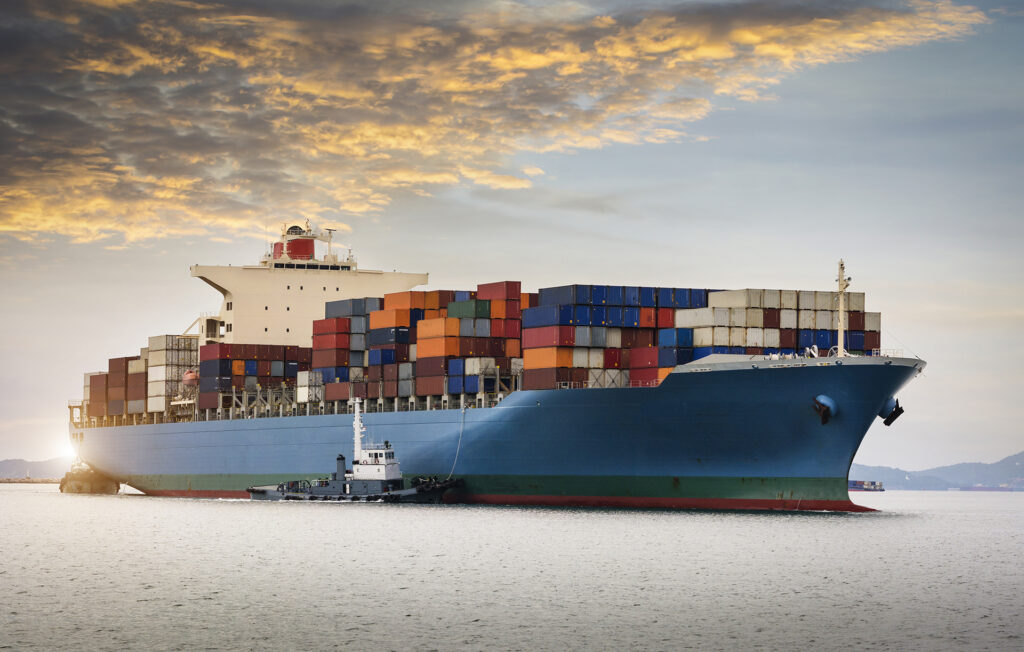
International trade between China and Europe continues to grow, making efficient cargo handling China to Europe essential for importers, exporters, and logistics providers. With increasing demand, businesses need cost-effective, reliable, and timely solutions to move goods across thousands of kilometers while ensuring compliance with customs and regulatory standards.
This article explores the shipping process in detail, including transit times, freight methods, costs, documentation, and best practices for smooth cargo handling from China to European destinations.
1. What Does Cargo Handling China to Europe Involve?
Cargo handling covers the full logistics cycle:
- Picking up goods from Chinese factories.
- Consolidation and packaging at warehouses.
- Freight forwarding by air, sea, or rail.
- Customs clearance in Europe.
- Final delivery to warehouses, Amazon FBA centers, or distributors.
Because of strict customs and diverse shipping routes, specialized handling ensures goods arrive safely and on time.
2. Why Is Cargo Handling from China to Europe So Important?
The China–Europe corridor is one of the busiest trade lanes in the world. Proper cargo handling reduces risks like:
- Delays due to customs issues.
- Increased costs from poor packaging.
- Cargo damage during transit.
Therefore, businesses must work with professional freight forwarders to streamline shipping, minimize delays, and keep the supply chain running smoothly.
3. What Are the Shipping Options for Cargo Handling?

There are three major freight modes for cargo handling from China to Europe.
| Shipping Method | Transit Time | Cost | Pros | Cons |
|---|---|---|---|---|
| Air Freight | 5–12 days | High | Fast, secure, ideal for urgent goods | Expensive |
| Sea Freight | 25–40 days | Low | Cost-efficient, large capacity | Slow, port congestion |
| Rail Freight | 15–25 days | Medium | Balanced speed and cost, eco-friendly | Limited routes, delays at borders |
Tip: Air freight is best for urgent electronics, sea freight for heavy goods, and rail freight for mid-sized shipments.
4. How Much Does Cargo Handling from China to Europe Cost?
Costs depend on freight type, cargo size, and destination.
| Cargo Type | Mode | Approximate Cost |
|---|---|---|
| Electronics (100 kg) | Air Freight | $5–$7/kg |
| Furniture (FCL 20ft) | Sea Freight | $2,200–$3,200 |
| Clothing (LCL per CBM) | Sea Freight | $250–$350 |
| Machinery (per container) | Rail Freight | $3,000–$4,500 |
Additional fees include customs duties, VAT, and handling surcharges.
5. How Long Does Cargo Handling from China to Europe Take?
Transit times vary based on routes and customs clearance.
| Route | Mode | Transit Time |
|---|---|---|
| Shanghai → Hamburg | Sea Freight | 28–35 days |
| Shenzhen → Paris | Air Freight | 6–9 days |
| Guangzhou → Warsaw | Rail Freight | 18–22 days |
| Beijing → Amsterdam | Air Freight | 5–8 days |
During peak seasons like Christmas or Chinese New Year, delays can extend delivery times.
6. What Documents Are Required for Cargo Handling?
Accurate paperwork ensures smooth customs clearance.
| Document | Purpose |
|---|---|
| Commercial Invoice | Declares product value |
| Packing List | Lists package contents |
| Bill of Lading / Air Waybill | Proof of transport |
| Certificate of Origin | Confirms manufacturing country |
| Import Licenses (if needed) | For restricted goods |
| EORI Number | Mandatory in Europe |
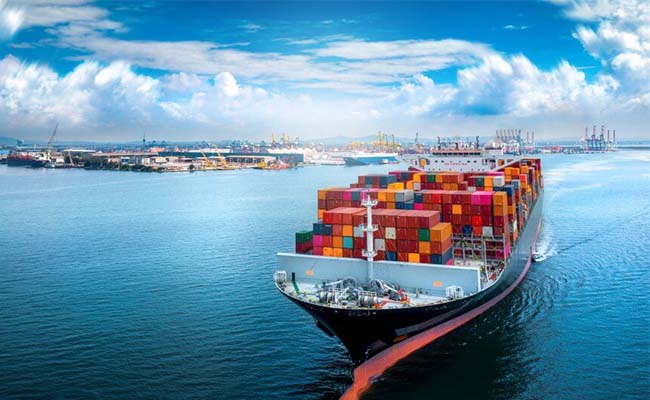
7. How Do Customs and Regulations Affect Cargo Handling?
European customs authorities strictly enforce compliance. Importers must:
- Have an EORI number for customs clearance.
- Pay customs duty and VAT (19–23% depending on country).
- Ensure goods comply with EU safety standards (CE marking where required).
Failure to meet these requirements can cause costly delays.
8. Air vs. Sea vs. Rail Freight: Which Should You Choose?
| Factor | Air Freight | Sea Freight | Rail Freight |
|---|---|---|---|
| Speed | Fastest (5–12 days) | Slow (25–40 days) | Moderate (15–25 days) |
| Cost | Highest | Lowest | Medium |
| Volume | Small/urgent | Bulk/heavy | Medium shipments |
| Reliability | Very high | Medium | High |
Best practice: Combine methods—ship urgent cargo by air while sending bulk goods by sea or rail.
9. How to Optimize Cargo Handling from China to Europe?
- Plan early to secure space during peak seasons.
- Work with experienced freight forwarders familiar with EU regulations.
- Use consolidation services for smaller shipments.
- Track shipments with digital tools for transparency.
- Ensure proper packaging to avoid damage during long transits.
10. Which European Hubs Handle Cargo from China?
Major European Ports:
- Port of Rotterdam (Netherlands)
- Port of Hamburg (Germany)
- Port of Antwerp (Belgium)
Main Airports:
- Frankfurt International Airport (Germany)
- Charles de Gaulle Airport (France)
- Amsterdam Schiphol Airport (Netherlands)
Rail Terminals:
- Duisburg (Germany)
- Warsaw (Poland)
- Madrid (Spain)
11. Common Challenges in Cargo Handling China to Europe
- Customs bottlenecks at EU entry points.
- Port congestion due to high container traffic.
- Rising fuel surcharges affecting freight costs.
- Regulatory complexity across multiple EU countries.
However, with strong logistics planning, these issues can be minimized.
12. Future Outlook for Cargo Handling Between China and Europe
- Green logistics: Growing adoption of eco-friendly shipping methods.
- Digitalization: AI and blockchain for real-time cargo tracking.
- E-commerce growth: More demand for fast deliveries across Europe.
- Infrastructure investment: Expansion of rail corridors under the Belt & Road Initiative.
📦Get a Free Quote
Streamline your supply chain with reliable cargo handling China to Europe solutions. Contact our team today for expert support, competitive rates, and faster customs clearance to keep your goods moving without delays.
❓ Frequently Asked Questions
Q1: How long does it take to ship cargo from China to Europe?
Transit times range from 5–12 days by air, 15–25 days by rail, and 25–40 days by sea freight.
Q2: What is the cheapest shipping method from China to Europe?
Sea freight is the most cost-effective for bulk cargo, though it takes longer compared to air or rail freight.
Q3: Do I need an EORI number for importing into Europe?
Yes, an EORI number is mandatory for customs clearance in all EU member states when importing commercial goods.
Q4: Can I split my shipment between air and sea freight?
Yes, many companies use a hybrid model—sending urgent goods by air and bulk shipments by sea or rail.
Q5: What are the common challenges in cargo handling?
Key challenges include customs delays, port congestion, rising freight costs, and compliance with European Union regulations.
Conclusion
Efficient cargo handling China to Europe is the backbone of successful international trade. While air freight ensures speed, sea freight reduces costs, and rail freight offers balance, the right choice depends on cargo type, budget, and urgency.
By planning ahead, preparing proper documents, and partnering with experienced freight forwarders, businesses can streamline supply chains, reduce risks, and deliver goods to European markets on time.