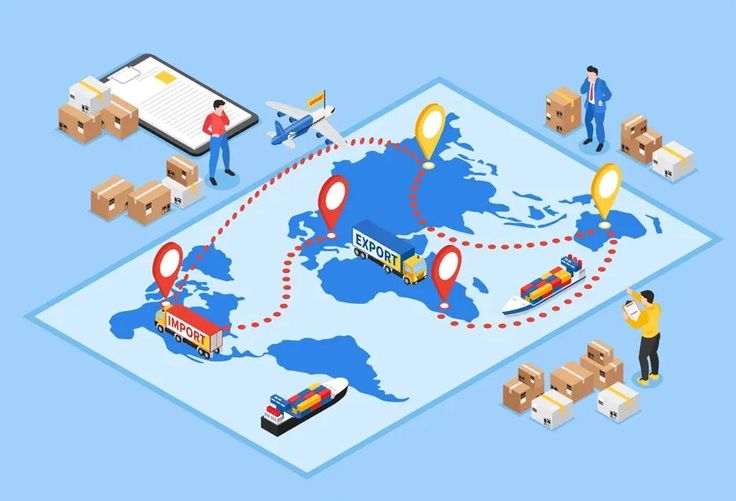
Importers often face a tough choice: sea freight from China to Europe is cheap but slow, while air freight is fast but expensive. The middle ground? The cargo train from China to Europe, also known as China–Europe rail freight.
This guide explains routes, costs, transit times, and practical advice for using rail freight to balance speed and cost when shipping cargo from China to Europe.
Limited Space: High demand can cause booking issues.
Higher Cost than Sea Freight: Not ideal for very low-margin products.
Tips for Importers Using Cargo Train Services
Book early—rail capacity fills quickly during peak seasons.
Work with forwarders offering consolidation services in Chinese hubs (Xi’an, Chengdu, Chongqing).
Ensure accurate customs documentation to avoid border delays.
Use cargo insurance for added protection.
Case Study – Rail Freight Shipment from Xi’an to Duisburg
A European importer shipped 10,000 kg of electronics from Xi’an to Duisburg:
Rail Freight: $10,500, 19 days.
Air Freight: $6/kg × 10,000 = $60,000, 6 days.
Sea Freight: $2,500, 35 days.
👉 Rail freight saved $49,500 compared to air while delivering 16 days faster than sea freight.
Final Thoughts
The cargo train from China to Europe offers the perfect balance: faster than sea freight and cheaper than air. With reliable schedules, eco-friendly transport, and growing rail networks, it’s a smart option for importers who need timely yet affordable shipping.