

- By carlie tj
- August 15, 2025
- Tips or Guide
1. Introduction
Cost and Freight (CFR) is an Incoterm used in international trade that defines the responsibilities of buyers and sellers when shipping goods by sea. Under CFR, the seller is responsible for delivering the goods to a port of destination, including transportation and export clearance. However, the risk transfers to the buyer once the goods are loaded onto the vessel. This guide provides an overview of CFR shipping, including shipping times, conditions, and terms.
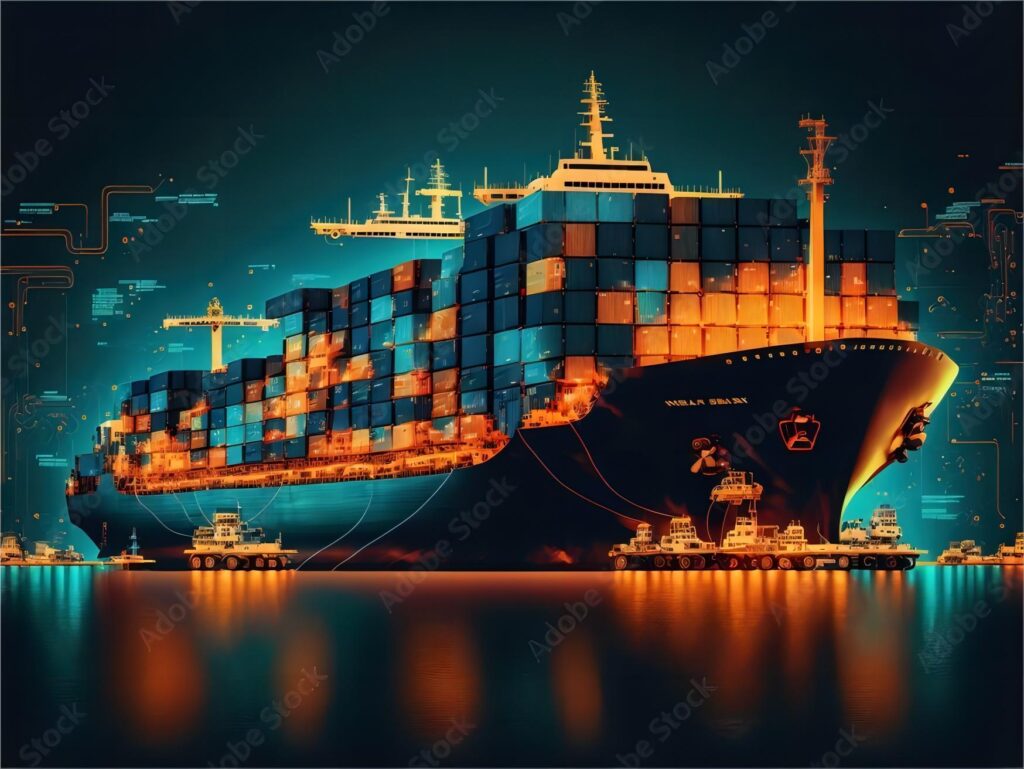
📌2. Shipping Times, Conditions & Terms for CFR Shipping
| Sort No. | Transport Mode | Estimated Shipping Time | Conditions & Terms |
|---|---|---|---|
| 1 | Ocean Freight | 10–30 days | Seller arranges and pays for transport to destination port; buyer assumes risk once goods are loaded onto the vessel. |
| 2 | Inland Waterway | 7–14 days | Similar to ocean freight; applicable for goods transported via inland waterways. |
| 3 | Air Freight | 1–3 days | Not applicable under CFR; for air shipments, consider using CIP or CPT Incoterms. |
3. Seller's Responsibilities in CFR Shipping
Under CFR terms, the seller must:
- Arrange and pay for the transportation of goods to the named port of destination.
- Clear the goods for export and load them onto the vessel.
- Provide the buyer with necessary documents, such as the Bill of Lading, to take possession of the goods.
However, the seller is not responsible for purchasing insurance for the goods during transit. The risk of loss or damage transfers to the buyer once the goods are loaded onto the vessel.



📌 4. Buyer's Responsibilities in CFR Shipping
The buyer’s obligations under CFR include:
- Paying for unloading charges at the destination port.
- Handling import customs clearance and paying any applicable import duties and taxes.
- Arranging and paying for the transportation of goods from the destination port to the final destination.
It’s important for buyers to arrange for insurance coverage during transit, as the seller is not responsible for this under CFR terms.
5. How to Get Started with CFR Shipping
1.Select a Freight Forwarder: Choose a reputable freight forwarder experienced in CFR shipments.
2.Obtain a Quote: Request a detailed quote that includes all transportation costs up to the destination port.
3.Prepare Documentation: Ensure all necessary export documentation is prepared, including the commercial invoice and packing list.
4.Arrange Transportation: Coordinate with the freight forwarder to schedule the shipment and ensure timely delivery.
5.Track Shipment: Monitor the shipment’s progress and stay in communication with the freight forwarder for updates.
6.Tips for Smooth CFR Shipping
To ensure a smooth CFR shipment, maintain clear communication with your freight forwarder and all parties involved. Confirm the exact port of destination and schedule in advance. Double-check all documentation, including the Bill of Lading and commercial invoice. Buyers should also consider arranging insurance for added protection during transit. Planning ahead reduces delays, unexpected costs, and risks of damage.
7. Request a Quote
China Top Freight offers:
- ✅ Origin and Destination Countries
- ✅ Cargo Type and Volume
- ✅ Preferred Transport Method (Air, Sea, Rail, Road)
- ✅ Delivery Timeline
- ✅ Special Handling Requirements (if any)
💬8. FAQ
Q1: What does CFR stand for in shipping?
A1: CFR stands for Cost and Freight, an Incoterm that specifies the seller’s responsibility to deliver goods to a destination port.
Q2: Is insurance included in CFR?
A2: No, under CFR terms, the seller is not responsible for purchasing insurance. The buyer should arrange for insurance coverage during transit.
Q3: Who handles customs clearance under CFR?
A3: The seller is responsible for export customs clearance, while the buyer handles import customs clearance at the destination port.
Q4: Can CFR be used for air freight?
A4: No, CFR is applicable only for sea or inland waterway transport. For air freight, consider using CIP or CPT Incoterms.
Q5: When does the risk transfer under CFR?
A5: The risk transfers to the buyer once the goods are loaded onto the vessel at the port of shipment