

Cheap FCL Shipping from China to Netherlands: Your Ultimate Guide
Navigating international logistics can be complex, particularly when seeking cost-effective solutions for large volumes. Businesses often face challenges in finding reliable yet affordable full container load (FCL) shipping services. This comprehensive guide, brought to you by China Top Freight, demystifies the process of securing cheap FCL shipping from China to Netherlands, offering insights and strategies for optimizing your supply chain.
What is FCL Shipping and Why Choose It?
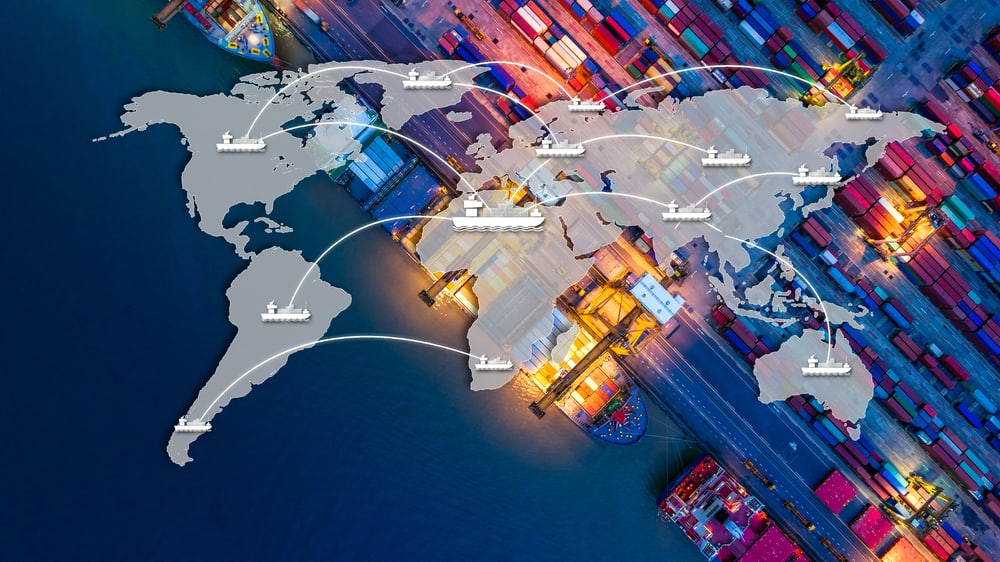
Full Container Load (FCL) shipping involves reserving an entire container for your cargo, regardless of whether it fills the space completely. This method is ideal for businesses with substantial shipment volumes, offering enhanced security and efficiency. Consequently, choosing FCL can significantly streamline your logistics operations.
Furthermore, FCL shipments typically incur lower per-unit costs compared to Less than Container Load (LCL) when your cargo volume is sufficient. Moreover, it minimizes handling risks because your goods remain sealed from origin to destination. Therefore, FCL is often the preferred choice for businesses prioritizing both cost-effectiveness and cargo integrity.
How Does Cheap FCL Shipping from China to Netherlands Work?
Securing cheap FCL shipping from China to Netherlands involves several key steps, starting from booking and ending with final delivery. Initially, you will need to choose a reliable freight forwarder who can navigate the complexities of international ocean freight. Subsequently, understanding each stage of the process is crucial for a smooth and cost-effective shipment.
The journey typically begins with cargo pickup and loading at the origin port in China. Following this, the container undergoes customs clearance before being loaded onto a vessel bound for a major European port like Rotterdam. Upon arrival, destination customs clearance and final delivery to your warehouse in the Netherlands complete the process. This end-to-end management is often facilitated by comprehensive door-to-door services.
Key Factors Influencing FCL Shipping Costs
Several variables collectively determine the overall cost of FCL shipping from China to Netherlands. Understanding these factors allows businesses to better anticipate expenses and identify areas for potential savings. Ultimately, an informed approach can lead to more competitive freight rates.
For instance, market conditions, fuel prices, and seasonal demand all play a significant role in fluctuating costs. Therefore, careful planning and strategic timing are essential for obtaining the most favorable rates. This proactive approach helps in managing the total supply chain costs effectively.
Freight Rates and Surcharges
Ocean freight rates are the primary component of FCL shipping costs, varying based on the carrier, route, and container type (e.g., 20GP, 40GP, 40HQ). Additionally, various surcharges, such as Bunker Adjustment Factor (BAF) and Peak Season Surcharge (PSS), can significantly impact the final price. These surcharges often fluctuate with global economic conditions and demand.
Consequently, monitoring market trends and booking during off-peak seasons can lead to substantial savings. For instance, rates typically increase 15-25% during the August-October peak season. Moreover, comparing quotes from multiple carriers is always advisable to secure the most competitive ocean freight rates for your cargo.
Port Charges and Local Fees
Both the port of loading in China and the port of discharge in the Netherlands levy various charges. These include Terminal Handling Charges (THC), documentation fees, and security surcharges. Furthermore, destination charges in the Netherlands can encompass demurrage, detention, and chassis fees.
Indeed, these local fees can add a considerable amount to the total shipping cost. Therefore, it is important to obtain a comprehensive quote that itemizes all these charges upfront. This transparency helps avoid unexpected expenses upon arrival, ensuring a more predictable budget.
Customs Duties and Taxes
Importing goods into the Netherlands from China necessitates payment of customs duties and VAT. The specific duties depend on the Harmonized System (HS) code of your products and their declared value. Moreover, VAT (Value Added Tax) is applied to the total cost, including the goods’ value, shipping, and duties.
Consequently, accurate classification of your goods and proper documentation are vital to avoid delays and unexpected charges. Utilizing customs brokerage services can significantly simplify this complex process. This ensures compliance with all Dutch import regulations.
Navigating Transit Times for China to Netherlands FCL Routes
Understanding transit times is crucial for effective supply chain planning, especially for time-sensitive cargo. For cheap FCL shipping from China to Netherlands, typical sea transit can range from 28 to 35 days. However, several factors can influence this duration, making accurate forecasting essential.
Indeed, direct routes offer faster transit, yet they might come at a slightly higher cost. Conversely, routes involving transshipment via intermediate ports can extend the journey. Therefore, balancing speed and cost is a key decision for importers.
Major Shipping Routes and Ports
Most FCL shipments from China depart from major ports such as Shanghai, Ningbo, Shenzhen, and Qingdao. These containers then typically arrive at the Port of Rotterdam, which is Europe’s largest and most efficient port. This direct connectivity ensures a relatively smooth flow of goods.
Furthermore, some routes may involve transshipment through hubs like Singapore or Port Klang, which can add 5-7 days to the total transit time. However, these options might sometimes offer more competitive rates. Therefore, assessing the trade-off between speed and cost is important for your specific needs.
Seasonal Variations and Delays
Seasonal demand significantly impacts both transit times and freight rates. For example, peak shipping seasons before major holidays like Christmas or Chinese New Year often lead to increased port congestion and potential delays. Consequently, booking well in advance during these periods is highly recommended.
Moreover, unforeseen events such as adverse weather conditions, port strikes, or global supply chain disruptions can also cause delays. As a result, maintaining flexibility in your delivery schedules and working with a proactive freight forwarder are vital. This helps mitigate potential disruptions effectively.
How Does FCL Compare to Other Shipping Options?
When considering cheap FCL shipping from China to Netherlands, it is essential to compare it with other viable logistics solutions. Each method presents unique advantages and disadvantages concerning cost, speed, and suitability for different cargo types. Consequently, choosing the right option depends on your specific business requirements and priorities.
For instance, while FCL offers excellent value for large volumes, alternatives like LCL or air freight might be more appropriate under certain circumstances. Therefore, a comprehensive understanding of each method helps in making an informed decision. This strategic comparison ensures optimal supply chain efficiency.
| Shipping Method | Cost Range (40HQ/15CBM) | Transit Time | Best For | Limitations |
|---|---|---|---|---|
| FCL Sea Freight | $3,000-4,200 | 28-35 days | Large volumes, cost-efficiency, non-urgent goods | Slower transit, potential port delays |
| LCL Sea Freight | $50-80/CBM | 35-45 days | Smaller volumes (under 15 CBM), budget-friendly | Longer transit, more handling, less control |
| Air Freight | $15,000-25,000 (equivalent volume) | 3-7 days | Urgent, high-value, perishable goods | Very high cost, volume/weight restrictions |
| Rail Freight | $8,000-12,000 (equivalent volume) | 18-25 days | Mid-urgency, heavy/bulky goods, specific routes | Higher cost than sea, limited route flexibility |
FCL vs. LCL: Which is Right for You?
FCL (Full Container Load) is generally more cost-effective per unit for shipments exceeding 15 CBM, as you pay for the entire container. It offers faster transit times and reduced handling risks. Conversely, LCL (Less than Container Load) involves sharing container space with other shippers.
Therefore, LCL is ideal for smaller shipments (typically under 15 CBM) where you only pay for the space your cargo occupies. However, LCL often entails longer transit times due to consolidation and deconsolidation processes, as well as increased handling. Consequently, your cargo volume dictates the most economical choice.
Sea Freight vs. Air Freight for Large Volumes
For large volumes, sea freight, including FCL, is overwhelmingly more economical than air freight. While sea freight costs might be $3,000-4,200 for a 40HQ container from China to Europe, air freight for a similar volume could easily cost $15,000-25,000. However, air freight offers significantly faster transit, typically 3-7 days versus 28-35 days by sea.
Consequently, if speed is paramount for urgent or high-value goods, air freight is the preferred option despite the higher cost. Nevertheless, for most regular commercial shipments seeking cheap FCL shipping from China to Netherlands, sea freight remains the undisputed champion for budget-conscious logistics. Therefore, the urgency of your cargo dictates the mode of transport.
Rail Freight Considerations
While direct rail freight from China to the Netherlands is less common than sea, it offers a viable alternative for certain routes and cargo types. Rail transit times are typically faster than sea freight (around 18-25 days) but more expensive. This makes it a mid-range option in terms of both speed and cost.
However, rail freight might not be suitable for all types of cargo or origins/destinations within China and the Netherlands. Furthermore, hybrid solutions combining rail and sea (e.g., sea to a European rail hub, then rail to the Netherlands) can sometimes offer a good balance. Therefore, evaluate your specific route and budget carefully.
Cost-Saving Strategies for Your FCL Shipments
Achieving cheap FCL shipping from China to Netherlands requires more than just finding the lowest quote; it involves strategic planning and operational efficiencies. Implementing smart strategies can significantly reduce your overall logistics expenditure. Consequently, these approaches contribute to a healthier bottom line.
For example, optimizing every stage of the shipping process, from packing to final delivery, can yield substantial savings. Therefore, consider these practical tips to minimize costs without compromising service quality. A proactive approach is key to long-term savings.
Optimizing Container Utilization
Maximizing the space within your FCL container is paramount for cost-efficiency. Every cubic meter of unused space represents wasted money. Therefore, efficient packing, often involving professional loading and consolidation services, can ensure you get the most out of your container.
Furthermore, consider the dimensions and weight distribution of your cargo to fill the container optimally. This approach, known as ‘container stuffing,’ ensures that you are paying for actual utilized space. Ultimately, better utilization translates directly into lower per-unit shipping costs.
Strategic Booking and Timing
Booking your FCL shipment well in advance, particularly during off-peak seasons, can lead to more favorable rates. Freight rates are dynamic, influenced by supply, demand, and global events. Consequently, avoiding peak seasons (e.g., pre-Chinese New Year, Q4 holiday rush) can help you secure significantly cheaper rates.
Moreover, being flexible with your shipping dates allows you to capitalize on periods of lower demand. As a result, working closely with your freight forwarder to identify these opportune windows is a smart financial move. This strategic timing is crucial for obtaining cheap FCL shipping from China to Netherlands.
Partnering with an Experienced Freight Forwarder
A reputable freight forwarder possesses extensive industry knowledge and strong relationships with carriers. This expertise allows them to negotiate better rates and find optimal routes. Furthermore, they can provide valuable advice on documentation, customs, and potential cost-saving opportunities.
Consequently, choosing a partner like China Top Freight can simplify the entire shipping process and ensure compliance. Their insights into market conditions and logistics trends can prove invaluable. Therefore, a reliable forwarder is a key asset in achieving cost-effective FCL shipments.
Essential Documentation for FCL Shipments to Netherlands
Proper documentation is critical for smooth and compliant FCL shipping from China to Netherlands. Missing or incorrect paperwork can lead to significant delays, fines, and additional costs. Therefore, meticulous preparation of all required documents is non-negotiable for successful import.
Indeed, understanding each document’s purpose and ensuring its accuracy will prevent customs issues. Moreover, working with an experienced freight forwarder can greatly assist in this complex process. This proactive approach ensures your cargo clears customs efficiently.
Commercial Invoice and Packing List
The commercial invoice details the transaction between the seller and buyer, including product descriptions, quantities, unit prices, and total value. It is essential for customs valuation and duty calculation. Additionally, the packing list itemizes the contents of each package or container, including weights and dimensions.
Consequently, both documents must be accurate and consistent with the physical cargo. Any discrepancies can trigger customs inspections and delays. Therefore, double-checking these fundamental documents is a crucial step in preparing your shipment.
Bill of Lading (BOL)
The Bill of Lading (BOL) serves as a contract between the shipper and the carrier, a receipt for the goods, and a document of title. It contains critical information about the shipment, including shipper, consignee, cargo details, and vessel information. Moreover, it is a legally binding document.
Indeed, the BOL is required to claim the cargo at the destination port. Therefore, ensuring its accuracy and proper endorsement is paramount. A clean BOL indicates that the goods were received in good condition, whereas a ‘claused’ BOL notes any damage or discrepancies.
Customs Declaration and Permits
A customs declaration form must be submitted to Dutch customs authorities, detailing the imported goods and their purpose. Depending on the type of goods, specific import licenses or permits may also be required. For example, certain food products, textiles, or electronics might need additional certifications.
Consequently, researching specific import regulations for your products beforehand is vital. Furthermore, an experienced customs broker can guide you through these requirements, ensuring full compliance. This proactive measure prevents unexpected hurdles at the border.
Real-World Examples of FCL Shipping Success
These case studies illustrate how businesses successfully managed cheap FCL shipping from China to Netherlands, overcoming common challenges. They highlight practical applications of the strategies discussed. Indeed, these examples offer valuable insights for your own logistics planning.
Each scenario demonstrates the importance of meticulous planning, strategic partnerships, and understanding market dynamics. Consequently, learning from these real-world experiences can help optimize your next FCL shipment. These examples emphasize effective supply chain management.
Case Study 1: Electronics Importer from Shenzhen
| Detail | Value |
|---|---|
| Route | Shenzhen, China -> Rotterdam, Netherlands |
| Cargo | Consumer electronics, 22 tons, 55 CBM |
| Container | 40HQ |
| Shipping Details | Carrier: COSCO, Port of Loading: Shenzhen, Port of Discharge: Rotterdam, Route Type: Direct |
| Ocean Freight | $3,800 (Typical for Q4 2024) |
| Origin Charges | $450 |
| Destination Charges | $300 |
| Customs & Duties (est.) | $1,500 |
| Total Landed Cost | $6,050 |
| Booking to Loading | 5 days |
| Sea Transit | 28 days |
| Customs Clearance | 3 days |
| Total Door-to-Door | 36 days |
| Key Insight | Direct route chosen for faster transit, crucial for electronics. Advanced booking secured favorable Q4 rates despite peak season pressure. |
Case Study 2: Furniture Wholesaler from Shanghai
| Detail | Value |
|---|---|
| Route | Shanghai, China -> Rotterdam, Netherlands |
| Cargo | Flat-pack furniture, 15 tons, 28 CBM |
| Container | 20GP |
| Shipping Details | Carrier: MSC, Port of Loading: Shanghai, Port of Discharge: Rotterdam, Route Type: Transshipment via Singapore |
| Ocean Freight | $2,000 (Typical for early 2025) |
| Origin Charges | $400 |
| Destination Charges | $280 |
| Customs & Duties (est.) | $1,200 |
| Total Landed Cost | $3,880 |
| Booking to Loading | 7 days |
| Sea Transit | 35 days |
| Customs Clearance | 4 days |
| Total Door-to-Door | 46 days |
| Key Insight | Opted for transshipment to achieve lower ocean freight costs. Longer transit was acceptable due to adequate inventory levels and non-urgent nature of goods. |
Case Study 3: Textile Distributor from Ningbo
| Detail | Value |
|---|---|
| Route | Ningbo, China -> Rotterdam, Netherlands |
| Cargo | Textile rolls, 25 tons, 65 CBM |
| Container | 40HQ |
| Shipping Details | Carrier: Maersk, Port of Loading: Ningbo, Port of Discharge: Rotterdam, Route Type: Direct |
| Ocean Freight | $4,000 (Typical for Q1 2025, post-peak season) |
| Origin Charges | $480 |
| Destination Charges | $320 |
| Customs & Duties (est.) | $1,800 |
| Total Landed Cost | $6,600 |
| Booking to Loading | 6 days |
| Sea Transit | 30 days |
| Customs Clearance | 3 days |
| Total Door-to-Door | 39 days |
| Key Insight | Leveraged post-holiday season rates for better pricing. Efficient cargo handling and strong forwarder relationship ensured smooth execution despite high volume. |
Which FCL Shipping Option is Best for Your Business?
Choosing the optimal FCL shipping strategy depends heavily on your specific business priorities and cargo characteristics. A one-size-fits-all approach rarely yields the best results. Therefore, evaluate your needs against various factors to make an informed decision.
Consider your budget, time constraints, and the nature of your goods. This comprehensive assessment will guide you toward the most efficient and cost-effective solution for shipping from China to Europe, specifically the Netherlands.
Budget Priority
If minimizing costs is your absolute top priority, then opting for standard FCL sea freight with longer transit times and potentially transshipment routes is advisable. Furthermore, booking during off-peak seasons and optimizing container utilization will yield the greatest savings. Consequently, flexibility in delivery schedules is key for budget-focused importers.
Speed Priority
Conversely, if rapid delivery is paramount, direct FCL sea freight routes or even a partial air freight solution for urgent components might be necessary. While more expensive, direct routes significantly cut down transit times. Therefore, for time-sensitive goods, speed often justifies a higher investment.
Hybrid solutions, such as sea-air, combine the cost-effectiveness of sea freight with the speed of air freight for the final leg. This approach is suitable when a balance between speed and cost is required. Ultimately, your urgency dictates the method.
Cargo Type Considerations
The nature of your cargo also influences the best shipping method. For instance, delicate or high-value goods might benefit from FCL due to reduced handling. Perishable items, however, might necessitate refrigerated containers or faster transit via air freight. Consequently, specialized cargo requires tailored solutions.
Moreover, hazardous materials or oversized items have specific regulations and require particular container types or handling. Therefore, always consult with your freight forwarder to ensure compliance and safe transport. This ensures appropriate logistics for unique goods.
Volume Thresholds for Switching Methods
Generally, for shipments exceeding 15-20 CBM, FCL becomes more economical than LCL. Below this threshold, LCL often presents a more cost-effective option. However, the exact crossover point can vary based on current freight rates and the density of your cargo. Therefore, always compare quotes.
Similarly, for extremely urgent shipments, even small volumes might justify air freight. Meanwhile, for very large, less urgent volumes, FCL is almost always the superior choice. This analysis helps determine the most efficient shipping method for your specific volume.
Market Insights and Future Trends in China-Netherlands Shipping
The global shipping landscape is constantly evolving, with several trends impacting FCL shipping from China to Netherlands. Staying informed about these developments is crucial for strategic planning and maintaining competitive pricing. Consequently, adapting to market changes ensures resilient supply chains.
As of Q1 2025, freight rates from China to Europe have largely stabilized after the volatility seen in 2024 due to Red Sea disruptions. However, geopolitical events and fuel price fluctuations continue to pose potential risks. Therefore, proactive monitoring of the market is essential for businesses.
Impact of Sustainability Initiatives
Increasing pressure for environmental sustainability is driving changes in the shipping industry. Carriers are investing in greener fuels and more efficient vessels, which may impact freight costs in the long term. Consequently, businesses might see a slight increase in ‘green surcharges.’
Nevertheless, choosing carriers with strong sustainability commitments can also enhance your brand’s image. Therefore, balancing environmental responsibility with cost-effectiveness is becoming an increasingly important consideration. This trend shapes future logistics decisions.
Technological Advancements in Logistics
Digitalization and automation are transforming shipping operations, leading to greater transparency and efficiency. Technologies like AI-powered route optimization and real-time tracking enhance supply chain visibility. Consequently, these advancements can help in predicting and mitigating delays.
Moreover, blockchain technology is being explored for secure and immutable documentation, potentially streamlining customs processes. Therefore, embracing these innovations can lead to more predictable and potentially cheaper FCL shipping from China to Netherlands. This digital evolution is redefining industry standards.
Your Partner for Cheap FCL Shipping from China to Netherlands
In conclusion, achieving cheap FCL shipping from China to Netherlands requires a combination of strategic planning, market awareness, and a reliable logistics partner. By understanding cost factors, optimizing container usage, and choosing the right shipping method, businesses can significantly reduce their expenses.
Moreover, navigating documentation and staying informed about market trends are crucial for success. Partnering with an experienced freight forwarder provides the expertise needed to ensure efficient, compliant, and cost-effective full container load shipments. Ultimately, a well-executed strategy leads to a more robust and profitable supply chain.
Ready to streamline your logistics?
Ready to streamline your imports and secure cheap FCL shipping from China to Netherlands? Contact us today for a personalized quote and expert guidance. Our team is prepared to optimize your logistics and ensure a smooth, cost-effective shipping experience.
Request Quote