

- By kelly
- October 28, 2025
- Logistics Guide
Cheap LCL Shipping from Shenzhen to France: A Complete Guide
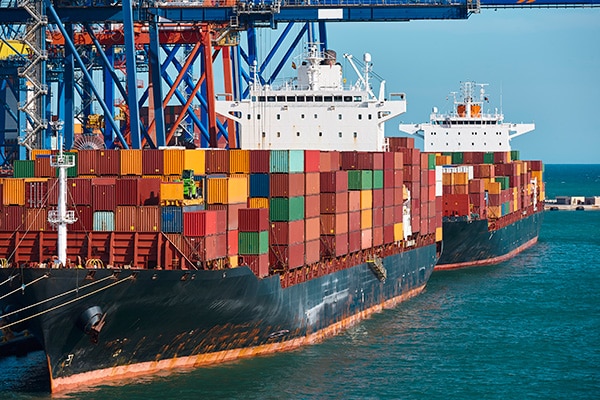
When sourcing products from China, many importers look for cheap LCL shipping from Shenzhen to France to reduce logistics costs while ensuring timely delivery. With growing e-commerce demand, importers need affordable, flexible, and efficient solutions. This guide explains everything you need to know about LCL (Less-than-Container Load) freight—from costs and transit times to customs procedures and best practices.
1. What Is LCL Shipping and Why Choose It?
LCL (Less-than-Container Load) shipping allows multiple shippers to share space in one container. Instead of paying for a full 20ft or 40ft container, you only pay for the volume your cargo occupies.
- Cost Efficiency: Perfect for small or medium shipments.
- Flexibility: Frequent sailing schedules.
- Scalability: Supports business growth without high upfront freight costs.
For businesses importing home goods, textiles, electronics, or auto parts, LCL shipping reduces expenses compared to FCL.
2. How Cheap LCL Shipping from Shenzhen to France Works
The process involves several steps:
- Cargo consolidation at a Shenzhen warehouse.
- Customs clearance in China.
- Loading into a shared container bound for France.
- Ocean freight to ports like Le Havre, Marseille, or Dunkirk.
- Customs clearance in France.
- Cargo deconsolidation at a bonded warehouse before final delivery.
This model is widely used by Amazon FBA sellers, SMEs, and trading companies across Europe.
3. What Are the Costs of LCL Shipping?
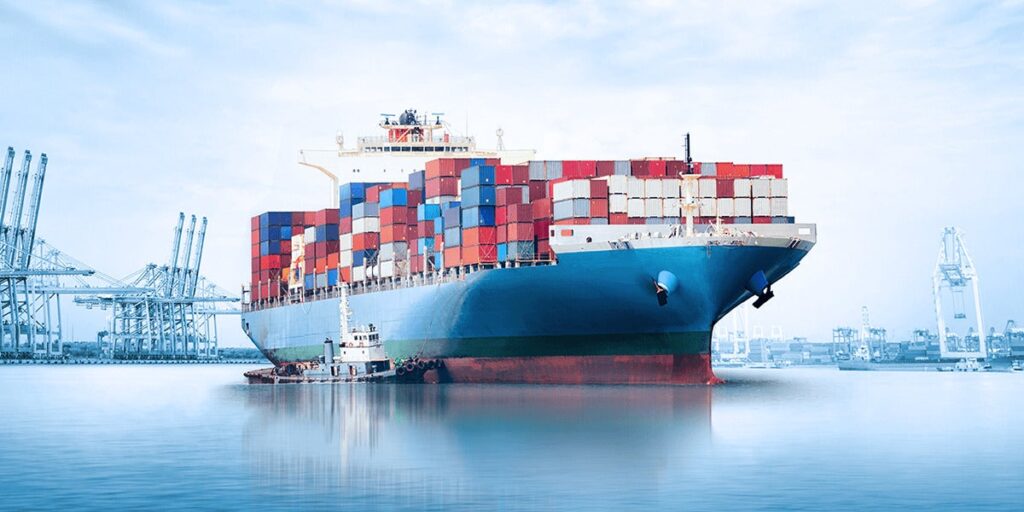
Costs are influenced by volume, weight, and surcharges. Key components include:
- Freight charges (per CBM or ton)
- Origin charges in Shenzhen
- Destination handling fees in France
- Customs duties and VAT
Example Cost Table for Shenzhen–France (Estimated)
| Shipping Method | Avg. Cost (per CBM) | Transit Time | Pros | Cons |
|---|---|---|---|---|
| LCL Sea Freight | $35 – $60 | 30–38 days | Cost-efficient, flexible | Longer transit |
| FCL (20ft) | $1,200 – $1,600 | 28–35 days | Exclusive use, faster customs | Higher upfront cost |
| Air Freight | $5 – $8/kg | 5–8 days | Very fast | Expensive |
| Rail Freight (via Europe) | $180 – $220/CBM | 20–25 days | Balance of speed & cost | Limited capacity |
Note: Prices fluctuate based on season, fuel surcharges, and carrier availability.
4. What Is the Average Transit Time?
Sea freight (LCL) from Shenzhen to France typically takes 30–38 days, including consolidation and customs clearance. Transit times vary by:
- Port of discharge (Le Havre vs. Marseille)
- Customs inspection delays
- Peak season congestion
Transit Time Estimates by Port
| Destination Port | Estimated Transit Time |
|---|---|
| Le Havre | 30–33 days |
| Marseille | 32–36 days |
| Dunkirk | 33–38 days |
5. How Do Customs Work for LCL Shipments?
Importers must prepare accurate documents to avoid delays:
- Bill of Lading (B/L)
- Commercial Invoice
- Packing List
- Import License (if required)
- Customs Declaration (DAU in France)
Customs Documents Checklist
| Document | Required? | Notes |
|---|---|---|
| Bill of Lading | Yes | Issued by the carrier |
| Commercial Invoice | Yes | Must match declared value |
| Packing List | Yes | Detailed item list |
| Import License | Conditional | For restricted goods |
| CE Certificates | Often | Needed for electronics, toys, etc. |
Failure to provide correct documents can lead to storage charges or penalties.
6. Is LCL Always Cheaper than FCL?
Not always. If your shipment exceeds 15–18 CBM, FCL shipping may be cheaper.
- LCL Advantage: Best for 1–15 CBM.
- FCL Advantage: Cost-effective for larger cargo volumes.
Comparison Table: LCL vs FCL
| Criteria | LCL Shipping | FCL Shipping |
|---|---|---|
| Cost | Lower for small volumes | Cheaper for 15+ CBM |
| Customs | Shared clearance | Individual clearance |
| Flexibility | High | Moderate |
| Risk of Delay | Higher (consolidation) | Lower |
7. Can You Use Rail or Air Freight Instead?
Yes, alternatives exist:
- Rail freight: Shenzhen to France via China–Europe Railway. Faster than sea (20–25 days), moderate cost.
- Air freight: 5–8 days transit, ideal for urgent shipments.
Both are more expensive than sea LCL but useful for high-value or time-sensitive goods.
8. How to Reduce LCL Shipping Costs from Shenzhen to France
Importers can cut costs by:
- Booking early during peak seasons.
- Using reliable freight forwarders to avoid hidden fees.
- Consolidating shipments to reduce per-unit charges.
- Negotiating DDP (Delivered Duty Paid) terms for predictable costs.
9. Common Challenges in LCL Shipping
While cheap LCL shipping is attractive, businesses must prepare for:
- Longer transit times than air freight
- Potential damage risks (shared containers)
- Hidden destination charges
- Customs delays if documentation is incomplete
However, with the right partner, these challenges can be minimized.
10. Why Work with a Professional Freight Forwarder?
A trusted logistics partner ensures:
- Accurate customs clearance
- Optimized transit routes
- Competitive LCL freight rates
- Door-to-door delivery options
With professional support, importers avoid costly mistakes and keep supply chains smooth.
📦Get a Free Quote
Before moving on, if you are looking for cheap LCL shipping from Shenzhen to France, our team provides tailored solutions with transparent costs and reliable delivery schedules. Contact us today to request a quote and simplify your logistics planning.
❓ Frequently Asked Questions
Q1: How much does LCL shipping from Shenzhen to France cost per CBM?
LCL rates usually range from $35 to $60 per CBM, depending on season, carrier, and destination port in France. Additional handling fees apply.
Q2: How long does LCL shipping from Shenzhen to France take?
Transit time is generally 30–38 days. It includes warehouse consolidation, ocean shipping, customs clearance, and final deconsolidation in France.
Q3: Which French ports are best for importing goods from Shenzhen?
The main ports are Le Havre, Marseille, and Dunkirk. Le Havre is preferred for northern France, while Marseille serves the Mediterranean region.
Q4: Do I need a customs broker in France for LCL shipments?
Yes, using a customs broker is highly recommended. They help ensure proper document filing, duty calculation, and faster clearance.
Q5: What goods are suitable for LCL shipping?
Electronics, textiles, auto parts, home goods, and other general cargo are ideal. Hazardous or oversized cargo may not be accepted.
Conclusion
For businesses looking to balance affordability and efficiency, cheap LCL shipping from Shenzhen to France is a practical solution. It offers cost savings, flexible scheduling, and reliable access to major French ports. However, careful planning—especially in documentation and consolidation—ensures smoother operations.
Choosing the right freight forwarder can make the difference between delayed cargo and seamless supply chain management. By comparing costs, transit times, and customs procedures, importers can confidently select LCL shipping as a strategic logistics option.