

Cheap Rail Freight from Shenzhen to Canada: Your Cost-Effective Guide
Navigating international shipping can be complex, especially when seeking cheap rail freight from Shenzhen to Canada. Many businesses aim to optimize their logistics costs and delivery schedules. This guide explores the most viable and economical shipping solutions for your cargo, ensuring a smooth import process.
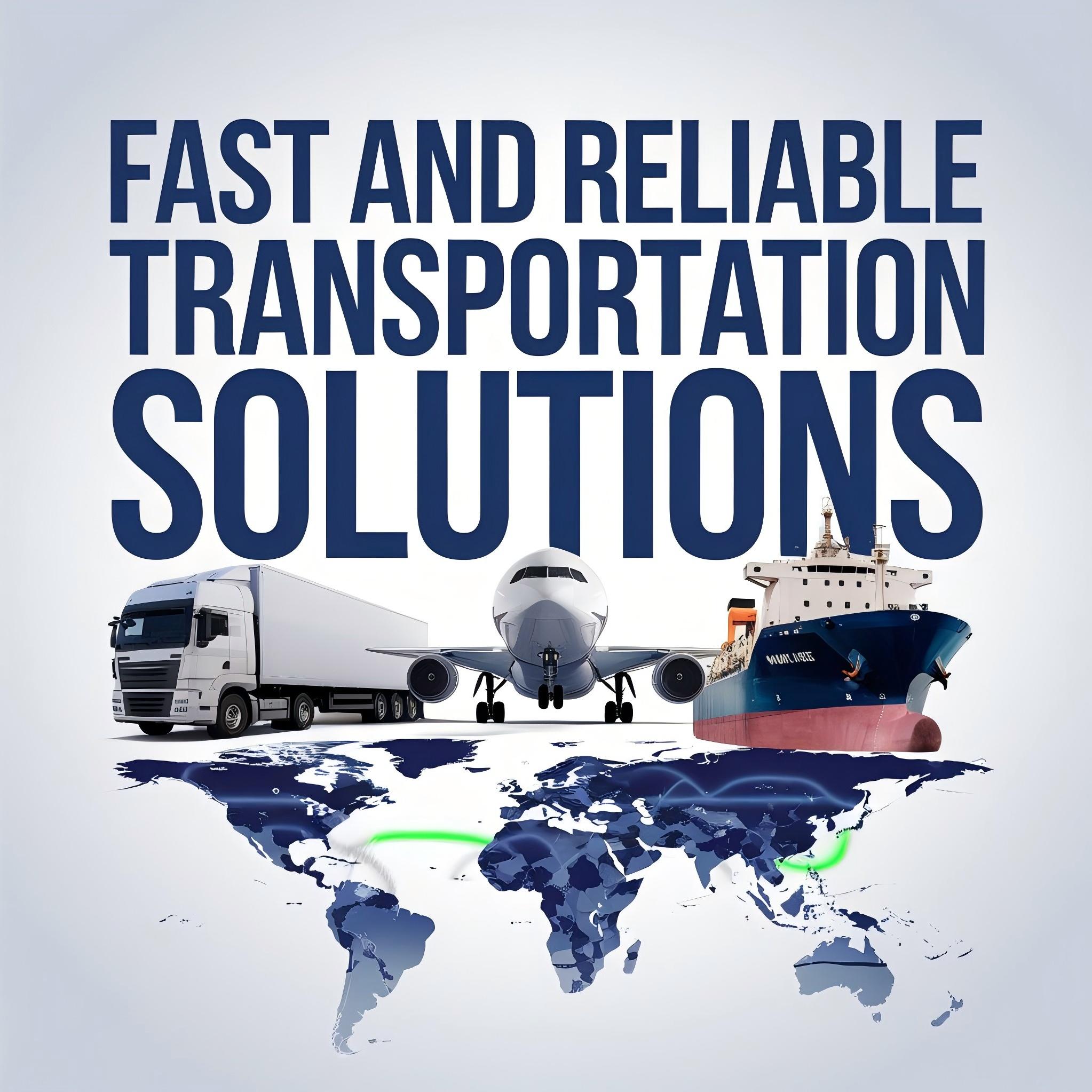
Navigating “Cheap Rail Freight from Shenzhen to Canada”
While direct rail freight from Shenzhen to Canada isn’t a standard, single-mode service, the term often implies seeking cost-effective intermodal solutions. Consequently, understanding the actual transit possibilities is crucial for your supply chain strategy. This involves combining different transport modes to achieve both efficiency and economy.
Typically, goods from Shenzhen reach Canada primarily via ocean freight, which offers the most economical rates for bulk cargo. However, rail plays a significant role in inland distribution once cargo arrives at a Canadian port. Therefore, optimizing this combined approach is key to achieving overall cost savings.
Primary Shipping Methods from Shenzhen to Canada
When shipping from Shenzhen to Canada, businesses primarily choose between sea freight, air freight, and various intermodal combinations. Each method offers distinct advantages in terms of cost, speed, and capacity. Understanding these differences allows for informed decision-making.
For instance, sea freight remains the backbone of international trade for its affordability, particularly for large volumes. Air freight, conversely, provides unparalleled speed for urgent or high-value goods. Intermodal solutions, integrating rail within Canada after ocean transit, balance speed and cost effectively for inland destinations.
| Shipping Method | Cost Range (Approx.) | Transit Time | Best For | Limitations |
|---|---|---|---|---|
| Sea Freight (FCL/LCL) | Low ($1,500-4,500 for 40HQ) | 25-40 days | Large volumes, heavy goods, non-urgent | Slow, port-to-port only, potential delays |
| Air Freight | High ($4-8/kg) | 3-7 days | Urgent, high-value, small volume | Expensive, limited capacity, environmental impact |
| Intermodal (Sea + Rail in Canada) | Medium ($2,500-5,500 for 40HQ) | 30-45 days | Inland destinations, balancing cost/speed | Complex coordination, longer total transit |

Optimizing Your Logistics for Cost Savings
Reducing shipping expenses from Shenzhen to Canada requires strategic planning beyond just choosing a mode. For example, consolidating multiple smaller shipments into a larger one, either Full Container Load (FCL) or Less than Container Load (LCL), can significantly lower per-unit costs. This approach maximizes container space and minimizes handling fees.
Furthermore, selecting appropriate Incoterms dictates who pays for and manages each leg of the journey, directly impacting your overall landed cost. Additionally, planning your shipments well in advance helps avoid peak season surcharges and allows for better rate negotiation. Consider door-to-door services for streamlined management.

Essential Customs and Documentation for Canada Imports
Navigating Canadian customs efficiently is paramount to avoid delays and unexpected costs. Consequently, accurate documentation, including commercial invoices, packing lists, and bills of lading, is non-negotiable. Any discrepancies can lead to significant hold-ups at the border.
Moreover, engaging a professional customs brokerage service is highly recommended. They ensure compliance with all Canadian import regulations, calculate duties and taxes correctly, and expedite the clearance process. This expertise is invaluable for a smooth import/export operation.
Real-World Shipping Scenarios
Examining actual shipment examples provides practical insights into diverse logistics challenges and solutions. These case studies highlight how different shipping methods are chosen based on cargo specifics, budget, and urgency, offering a clearer picture of real-world applications.
Case Study 1: Electronics Components (Sea + Rail Intermodal)
This client needed to ship electronics components from Shenzhen to a distribution center near Toronto. Given the non-urgent nature and substantial volume, a combined sea and rail solution offered the best balance of cost and inland delivery efficiency.
| Detail | Description |
|---|---|
| Route | Shenzhen, China Vancouver, Canada (Sea) Toronto, Canada (Rail) |
| Cargo | Electronics Components, 25 CBM, 8,000 kg |
| Container | LCL (Sea), then 53′ Domestic Rail Container |
| Shipping Details | Major carrier (e.g., COSCO), Port of Loading: Shenzhen, Port of Discharge: Vancouver |
| Ocean Freight | $1,200 (LCL portion) |
| Domestic Rail | $1,800 |
| Total Landed Cost (Est.) | $3,500 (excluding duties/taxes) |
| Sea Transit | 18-22 days |
| Rail Transit | 5-7 days |
| Total Door-to-Door | Approximately 30 days |
| Key Insight | Cost-effective for non-urgent bulk cargo with inland Canadian destination. Efficiently utilizes rail freight for inland leg. |
Case Study 2: Urgent Fashion Samples (Air Freight)
A fashion brand required urgent delivery of new season samples from Shenzhen to their head office in Toronto. Speed was the paramount factor, making air freight the only viable option despite its higher cost. This ensured they met critical market deadlines.
| Detail | Description |
|---|---|
| Route | Shenzhen, China Toronto, Canada (Air) |
| Cargo | Fashion Samples, 0.5 CBM, 100 kg |
| Container | Air Cargo |
| Shipping Details | Major airline (e.g., Cathay Pacific), Airport of Loading: SZX, Airport of Discharge: YYZ |
| Air Freight | $800 |
| Total Landed Cost (Est.) | $1,000 (excluding duties/taxes) |
| Air Transit | 3-5 days |
| Total Door-to-Door | Approximately 7-10 days |
| Key Insight | Ideal for urgent, high-value, low-volume shipments where time is critical. Air freight ensures rapid market entry. |
Choosing the Right Solution for Your Business
Deciding on the optimal shipping method depends heavily on your specific business priorities. If budget is your primary concern, sea freight, especially LCL for smaller volumes, will almost always be the most economical choice. Consider transit times versus cost carefully.
However, if speed is critical for time-sensitive inventory or product launches, air freight offers the quickest delivery, albeit at a higher price point. For inland Canadian destinations with substantial cargo, an intermodal solution combining sea and rail provides an excellent balance. Our team at China Top Freight can help assess your needs.
Current Market Trends and Future Outlook
As of early 2025, freight rates from China to Canada have largely stabilized after recent global disruptions, though regional factors can still cause fluctuations. Moreover, seasonal variations, such as the pre-Chinese New Year rush or Q4 holiday peak, typically lead to rate increases of 15-25%. Planning ahead is therefore essential.
Industry trends indicate a growing demand for integrated logistics solutions and greater transparency in pricing. Consequently, working with an experienced freight forwarder who understands these dynamics can provide a competitive edge. Note: Freight rates are subject to change based on fuel costs, carrier capacity, and seasonal demand. Contact us for a current quote tailored to your specific shipment.
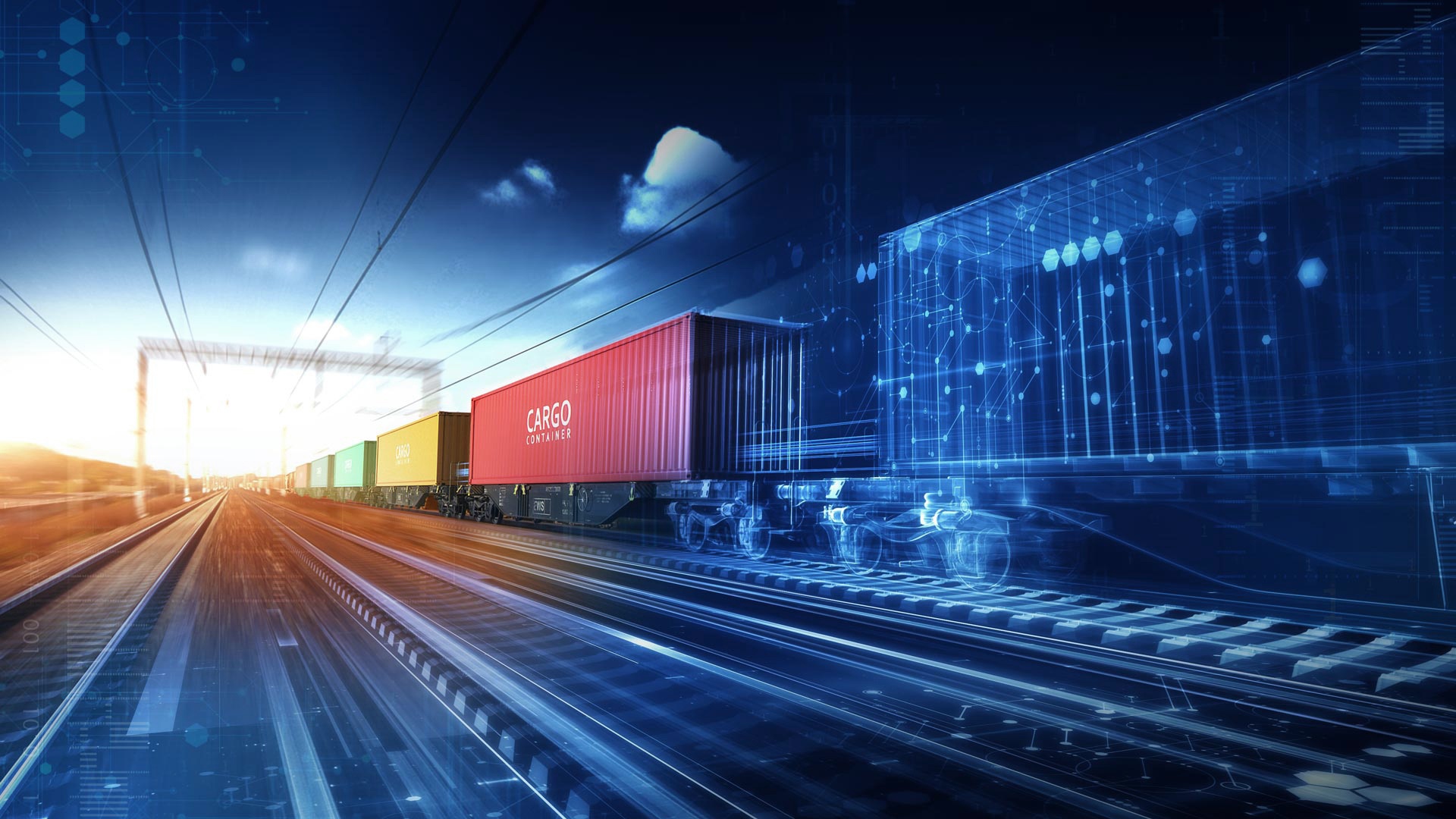
Your Path to Cost-Effective Shipping from Shenzhen to Canada
In conclusion, while direct cheap rail freight from Shenzhen to Canada is not a conventional offering, smart intermodal strategies, primarily involving sea freight combined with Canadian rail, offer compelling cost efficiencies. Understanding the nuances of each shipping method, along with careful planning and customs adherence, is vital for success.
By leveraging expert knowledge and strategic partnerships, businesses can achieve significant savings and improve their supply chain reliability. Ultimately, the goal is to find a solution that balances cost, speed, and cargo requirements effectively for your unique import needs.
Need a tailored shipping solution?
Ready to optimize your shipping from Shenzhen to Canada? Contact China Top Freight today for a personalized quote and expert advice on finding the most efficient and cheap rail freight or intermodal solutions for your cargo. Let us streamline your logistics process.