

For European importers, logistics costs and delivery times are constant challenges. Choosing cheap rail freight from Shenzhen to Spain offers a balanced solution that is faster than sea and significantly more affordable than air. As global trade expands, Spain has become a vital entry point for Chinese goods into the EU, making rail freight an increasingly attractive choice.

Why Is Rail Freight a Cost-Effective Option from Shenzhen to Spain?
Rail freight provides a middle ground between expensive air transport and slow ocean shipping. It reduces costs for businesses while ensuring goods arrive on schedule. Spain’s well-connected rail hubs like Madrid and Barcelona allow efficient distribution across the Iberian Peninsula.
What Is the Average Transit Time for Rail Freight?
The average rail freight transit time from Shenzhen to Spain is 20–24 days depending on customs procedures, route variations, and terminal congestion.
| Route | Transit Time (Days) | Notes |
|---|---|---|
| Shenzhen → Madrid | 21–23 | Main inland hub for distribution |
| Shenzhen → Barcelona | 20–22 | Strong port and logistics center |
| Shenzhen → Valencia | 22–24 | Gateway for southern Spain imports |
Compared to sea freight (35–40 days) and air freight (5–7 days), rail offers significant savings in time and cost.
How Does Rail Freight Compare to Other Shipping Methods?
| Shipping Method | Average Cost (per CBM) | Transit Time | Pros | Cons |
|---|---|---|---|---|
| Air Freight | $6–$8 | 5–7 days | Fastest, ideal for urgent shipments | Very costly, low volume capacity |
| Sea Freight | $1–$2 | 35–40 days | Cheapest, suitable for bulk commodities | Long delays, unpredictable schedules |
| Rail Freight | $3–$4 | 20–24 days | Affordable, faster than sea, eco-friendly | Limited capacity, specific routes |
Rail freight strikes the right balance—providing affordable shipping with a reliable schedule, which helps businesses improve inventory planning.
What are you waiting for?
Contact chinatopfreight for a fast, free quote.
Are you ready to book?
Access live instant freight quotes
Should You Choose FCL or LCL Rail Freight?
Full Container Load (FCL)
- Best for large shipments.
- Fixed rates and faster processing.
- Lower cost per unit compared to LCL.
Less than Container Load (LCL)
- Suitable for small to medium shipments.
- Allows businesses to share container space.
- Ideal for e-commerce or seasonal shipments.
| Option | Container Size | Average Cost | Best For |
|---|---|---|---|
| FCL | 20GP | $5,400–$5,800 | Large-volume cargo |
| FCL | 40HQ | $7,600–$8,200 | High-capacity shipments |
| LCL | Per CBM | $150–$200 | SMEs and online retailers |
What Goods Are Suitable for Rail Freight?
Rail freight is flexible and suitable for most industries. Commonly shipped products include:
- Electronics and consumer goods
- Furniture and household items
- Automotive components
- Textiles and clothing
- Non-perishable food products
However, restricted goods such as hazardous chemicals, oversized machinery, or certain regulated items require special clearance.
What Customs Documents Are Required for Spain?
Spain, as an EU member, requires compliance with European customs regulations.
| Required Document | Purpose |
|---|---|
| Commercial Invoice | Proof of sale and goods value |
| Packing List | Describes goods and packaging details |
| Rail Waybill (CIM/SMGS) | Proof of transport contract |
| Certificate of Origin | Required for customs duties and trade benefits |
| Import License (if required) | For restricted goods |
| Customs Declaration Form | Clearance with Spanish authorities |
| EORI Number | Mandatory for EU importers |
Ensuring accuracy in documentation prevents clearance delays and additional storage costs.
How Much Does Rail Freight from Shenzhen to Spain Cost?
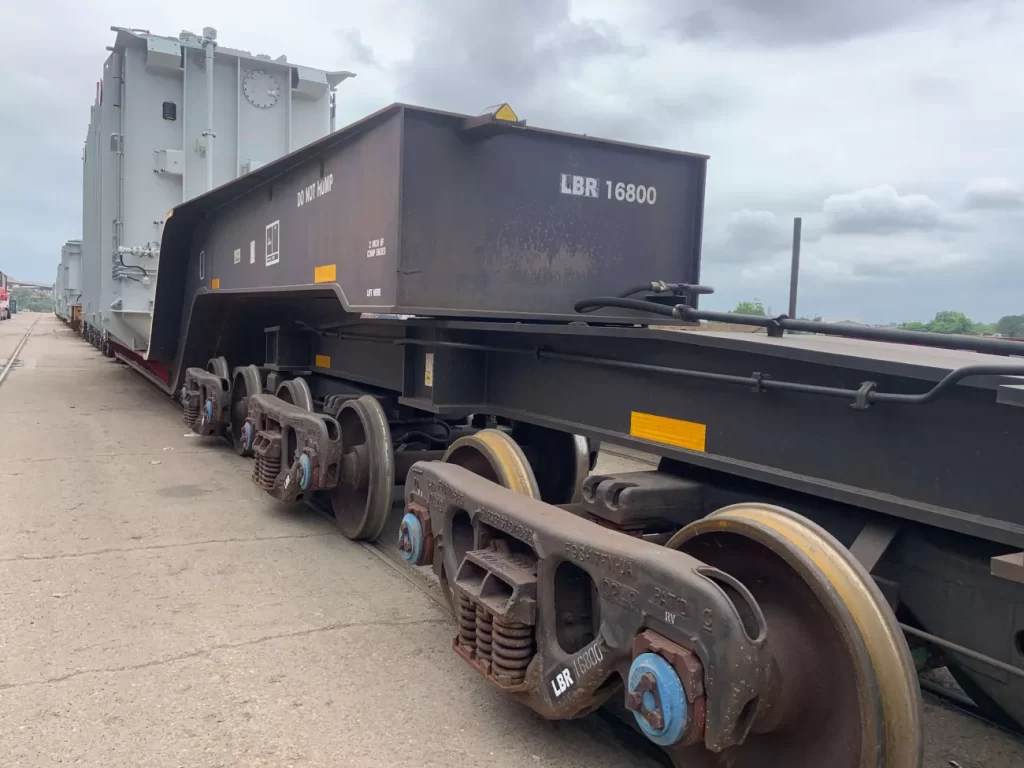
Costs vary depending on cargo volume, service provider, and seasonal demand. On average:
- LCL: $150–$200 per CBM
- 20GP FCL: $5,400–$5,800
- 40HQ FCL: $7,600–$8,200
While not as cheap as sea freight, rail provides faster delivery, predictable scheduling, and lower overall supply chain costs.
What Are the Pros and Cons of Air vs. Sea vs. Rail Freight?
| Method | Pros | Cons |
|---|---|---|
| Air Freight | Fastest, secure, global reach | High costs, unsuitable for bulky goods |
| Sea Freight | Cheapest, suitable for massive volumes | Slow, prone to port delays |
| Rail Freight | Balanced cost and speed, eco-friendly | Limited routes, moderate capacity |
Rail freight is particularly attractive for businesses shipping mid-sized volumes that need to reach Spain in under a month.
Can Rail Freight Help Reduce Carbon Emissions?
Yes. Rail transport is significantly more eco-friendly than air or sea. Shipping goods by train reduces up to 70–80% of CO₂ emissions compared to air. For businesses committed to sustainability, rail is a practical choice to align with ESG goals.
How Does Rail Freight Integrate with Spain’s Logistics Network?
Spain has strong logistics hubs in Madrid, Barcelona, and Valencia. From these hubs, goods can be seamlessly transferred to road freight for last-mile delivery. This integration ensures quick distribution across the EU, including Portugal and southern France.
Do Supply Chain Trends Favor Rail Freight?
Absolutely. With rising sea freight congestion and volatile air freight pricing, European importers are turning to rail as a stable alternative. Moreover, the Belt and Road Initiative continues to strengthen rail corridors between China and Europe, boosting reliability.
Conclusion
In summary, cheap rail freight from Shenzhen to Spain is an efficient logistics solution that balances affordability, speed, and sustainability. With an average transit time of 20–24 days and flexible options for both FCL and LCL shipments, it bridges the gap between costly air and slow sea transport.
By working with a trusted freight forwarder, businesses can benefit from transparent pricing, professional customs support, and seamless delivery to Spanish logistics hubs. For companies prioritizing cost savings and supply chain reliability, rail freight is the smart choice.
FAQ
Q1: How early should I book rail freight space to Spain?
It is advisable to book 2–3 weeks in advance, especially during peak seasons, to secure space and avoid last-minute surcharges.
Q2: Can I ship temperature-controlled goods via rail freight?
Yes, but availability of refrigerated containers is limited. Always confirm container type availability before planning temperature-sensitive shipments.
Q3: Do I need a Spanish customs broker?
Yes, having a local broker or freight forwarder ensures smooth customs clearance and compliance with EU import rules.
Q4: Are my shipments insured during rail freight?
Yes, but insurance is optional. It is strongly recommended to purchase freight insurance to protect against loss or damage during transit.
Q5: Can dangerous goods be shipped by rail to Spain?
Yes, but only under strict regulations. Special documentation and packaging requirements must be met for hazardous cargo.