

For businesses importing from China, securing cheap sea freight from Shenzhen to France is often the most economical and practical solution. Sea freight allows bulk shipments at lower costs, while still ensuring reliable transit to major French ports such as Le Havre, Marseille, and Fos-sur-Mer. By working with experienced freight forwarders, importers can benefit from reduced rates, faster customs clearance, and end-to-end supply chain support.
1. Why Choose Sea Freight from Shenzhen to France?
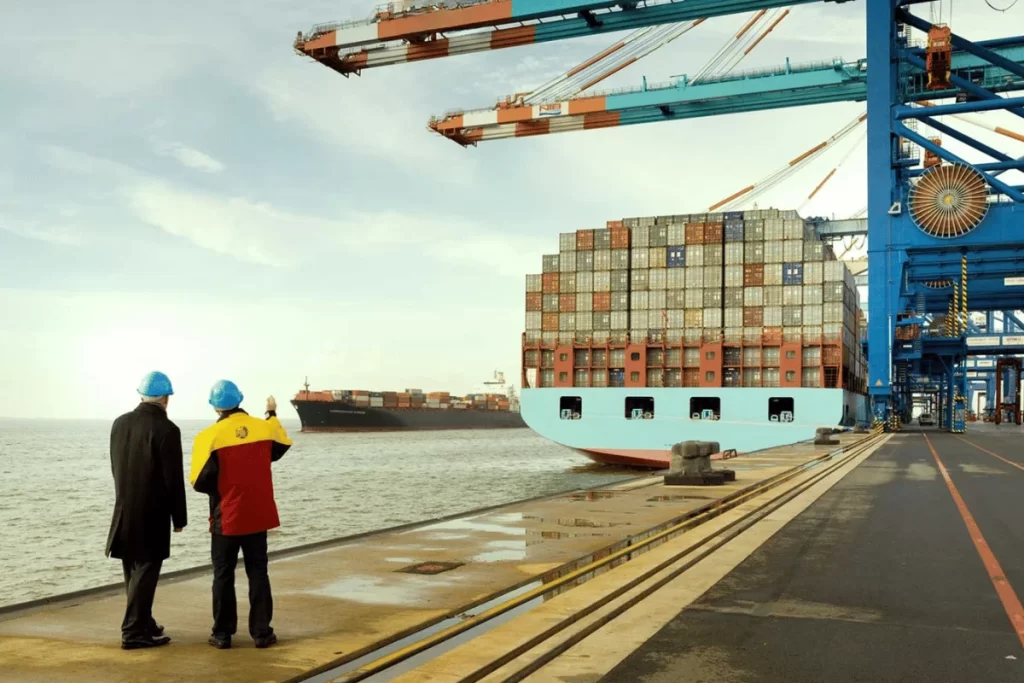
Sea freight remains the backbone of global trade. Compared with air transport, it is significantly more cost-effective and accommodates large volumes of goods. Moreover, sea shipping provides flexible options for both FCL (Full Container Load) and LCL (Less than Container Load), making it suitable for businesses of all sizes.
2. How Long Does Sea Freight from Shenzhen to France Take?
Transit times vary depending on the port of destination and the shipping line.
| Destination Port | Standard Transit Time | Fast Service Transit |
|---|---|---|
| Le Havre | 28–32 days | 24–26 days |
| Marseille | 30–35 days | 25–28 days |
| Fos-sur-Mer | 28–34 days | 24–27 days |
Delays may occur during peak seasons or customs inspections.
3. What Are the Costs of Cheap Sea Freight from Shenzhen to France?
| Container Type | Estimated Cost | Best For |
|---|---|---|
| 20ft FCL | $2,200 – $2,800 | Small to medium bulk shipments |
| 40ft FCL | $4,000 – $4,800 | Larger volume or heavy goods |
| LCL Cargo | $60 – $90 per CBM | SMEs or mixed cargo shipments |
Rates fluctuate due to fuel prices, seasonal demand, and carrier contracts.
What are you waiting for?
Contact chinatopfreight for a fast, free quote.
Are you ready to book?
Access live instant freight quotes
4. What Goods Benefit from Sea Freight to France?
- Electronics and machinery
- Automotive parts
- Furniture and household goods
- Fashion and textile products
- Food products (with reefer containers)
- E-commerce bulk shipments
Sea freight is versatile, making it the best option for industries that require steady supply at controlled costs.
5. What Documents Are Required for France Customs?
| Document | Purpose |
|---|---|
| Commercial Invoice | Verifies product value and buyer/seller details |
| Packing List | Confirms cargo weight and dimensions |
| Bill of Lading | Legal document for shipping contract |
| Certificate of Origin | Proof of manufacturing country |
| Import Declaration (DAU) | Required for EU customs entry |
Proper documentation ensures smooth clearance and reduces the risk of delays.
6. How Does Sea Freight Compare with Air and Rail Transport?
| Factor | Sea Freight | Air Freight | Rail Freight* |
|---|---|---|---|
| Cost | Low | High | Medium (Europe only) |
| Transit Time | 25–35 days | 5–8 days | N/A for France |
| Cargo Volume | Large | Limited | Moderate |
| Eco Impact | Moderate | High emissions | Lower |
*Note: Rail freight directly connects China to Europe but not directly to France’s seaports. Often combined with trucking or sea legs.
7. Do Peak Seasons Affect Sea Freight from Shenzhen?
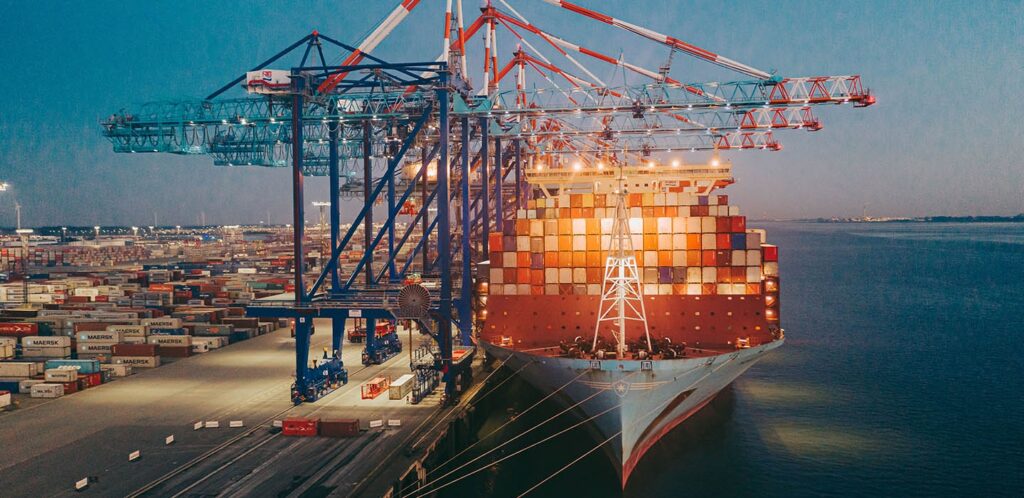
Yes. Rates rise before Chinese New Year, summer, and the pre-Christmas period. Moreover, limited container availability often causes congestion, so booking early is advisable.
8. Should Small Businesses Use LCL Shipping?
Yes. LCL options make sea freight accessible for SMEs, allowing them to share container space with other shippers, reducing costs while maintaining reliable transit.
9. What Are the Pros and Cons of Sea Freight to France?
| Pros | Cons |
|---|---|
| Lowest cost per unit | Longer transit time than air freight |
| Handles bulk shipments easily | Port congestion risk |
| Flexible container options | Requires detailed paperwork |
| More eco-friendly than air | Insurance recommended for long transit |
10. How to Ensure Reliable and Cheap Sea Freight?
- Plan early to avoid peak surcharges
- Choose FCL for larger shipments to reduce per-unit cost
- Work with trusted freight forwarders for better rates
- Use digital tracking tools to monitor progress
- Ensure compliance with customs regulations
Conclusion
Choosing cheap sea freight from Shenzhen to France is the best way for businesses to balance cost and capacity. With FCL and LCL options, reliable port networks, and flexible schedules, importers can secure efficient logistics without overspending. Moreover, by preparing documentation properly and partnering with experienced freight forwarders, companies can avoid delays and maintain smooth supply chains. Affordable shipping to France starts with early planning and trusted logistics support.
FAQ
Q1: Which French ports are most commonly used for shipments from Shenzhen?
Major ports include Le Havre, Marseille, and Fos-sur-Mer, each offering strong connections to inland distribution networks.
Q2: Can fragile goods be shipped by sea freight safely?
Yes, with proper packaging and containerization, fragile goods such as glassware, ceramics, and electronics can be shipped safely.
Q3: Are there restrictions on goods entering France?
Yes, restricted items include chemicals, pharmaceuticals, and agricultural products, which may require additional licenses or certifications.
Q4: What is the difference between FCL and LCL shipping?
FCL means booking an entire container for your goods, while LCL combines shipments from multiple businesses in one container.
Q5: Do I need insurance for sea freight shipments?
While optional, cargo insurance is highly recommended to cover risks such as damage, theft, or delays during international transit.