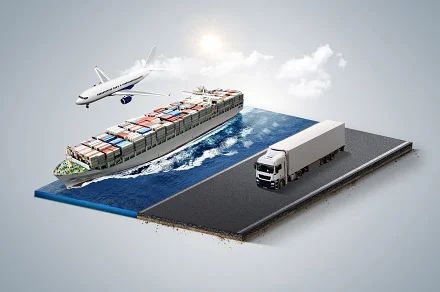
For global importers, finding cheap sea shipping from China is essential to reduce supply chain expenses while keeping deliveries on schedule. Reliable Chinese freight forwardersprovide flexible options—sea freight, air freight, and courier services—that balance cost, transit time, and efficiency.
Sea freight remains the most cost-effective choice for large volumes. Compared to air or courier, ocean transport allows importers to ship bulky goods, raw materials, or heavy machinery at a fraction of the cost.
How Much Does Cheap Sea Shipping Cost?
Container Type
Average Cost (USD)
Best For
20ft FCL
$2,200–$3,000
Small-medium shipments
40ft FCL
$4,200–$5,800
Bulk cargo
40ft HC
$4,500–$6,200
High-volume, lightweight cargo
LCL (per CBM)
$50–$70
Small businesses and startups
What Factors Influence Sea Freight Costs?
Several factors determine final shipping costs:
Port of loading and discharge.
Seasonal surcharges (e.g., Chinese New Year).
Port congestion and carrier availability.
Type of cargo (hazardous, refrigerated, oversized).
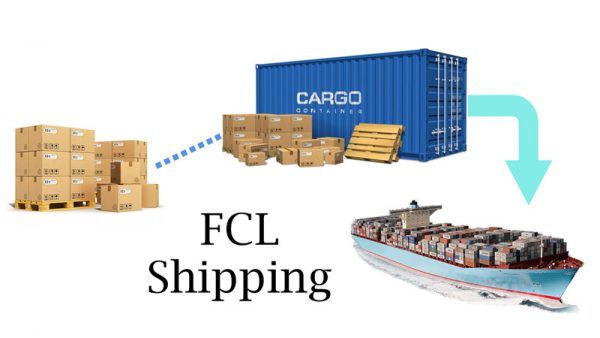
FCL (Full Container Load): Cheaper per unit, secure, faster handling.
LCL (Less than Container Load): Affordable for small shipments, pay only for space used, but longer transit due to consolidation.
What Documents Are Required for Sea Shipping?
Document
Purpose
Bill of Lading
Proof of cargo ownership
Commercial Invoice
Declares value of goods
Packing List
Cargo breakdown
Import/Export License
Required for regulated goods
Customs Declaration
Mandatory clearance
Can Importers Save Money on Sea Shipping?
Yes, by:
Booking containers early to avoid rate hikes.
Choosing alternative ports to bypass congestion.
Consolidating shipments to reduce per-unit costs.
Partnering with reliable freight forwarders for negotiated rates.
How Do Incoterms Affect Final Costs?
FOB (Free on Board): Buyer arranges freight.
CIF (Cost, Insurance & Freight): Seller covers costs up to destination port.
DDP (Delivered Duty Paid): Door-to-door but includes customs and delivery charges.
Pros and Cons of Cheap Sea Shipping
Pros
Cons
Lowest cost per ton
Long transit time
High cargo capacity
Requires customs paperwork
Eco-friendly transport
Port congestion possible
Global coverage
Seasonal price fluctuations
Example: Real Cost Breakdown
Shipment: 1 × 40ft container, Shenzhen → Los Angeles
Freight Rate: $4,800
Port Handling Fees: $250
Customs & ISF Filing: $120
Insurance: $90
Total Landed Cost: $5,260
Final Thoughts
In summary, cheap sea shipping from China remains the most cost-effective solution for bulk imports worldwide. With costs averaging $2,200–$6,000 per container and transit times of 20–40 days, it balances affordability and reliability. By preparing proper documentation, planning around peak seasons, and partnering with experienced freight forwarders, businesses can reduce expenses while ensuring smooth supply chains.
1. Can small importers access cheap sea shipping rates?
Yes, LCL services allow small businesses to pay only for the space used, making sea freight affordable without needing a full container.
2. Do carriers offer discounts for repeat shipments?
2. Do carriers offer discounts for repeat shipments? Yes, frequent shippers often receive better pricing. Working with a forwarder who has strong carrier relationships helps secure lower rates.
3. Are there risks with choosing the cheapest sea freight?
Yes, delays, hidden surcharges, or limited service quality may occur. Balancing cost with reliability ensures smoother supply chain management.
4. Can cargo insurance lower financial risk?
Absolutely. Even with cheap sea shipping, insurance protects against loss or damage during transit, providing peace of mind for importers.
5. Are customs fees included in cheap sea shipping quotes?
Usually not. Quotes often cover transport only, while duties, VAT, and clearance costs must be paid separately by the importer.