

Cheap Shipping From China Price: The 2024 Ultimate Cost Guide | How to Find the Best Cheap Shipping From China Price Tod
Navigating the complexities of international trade requires a deep understanding of logistics expenses to maintain healthy profit margins. Finding a cheap shipping from china price is often the primary goal for importers who want to balance speed with cost-effectiveness. At China Top Freight, we specialize in providing transparent and competitive logistics solutions tailored to your specific business needs. This comprehensive guide will explore the various factors that influence freight rates and provide actionable strategies to minimize your total landed costs.
What Factors Determine the Cheap Shipping From China Price?
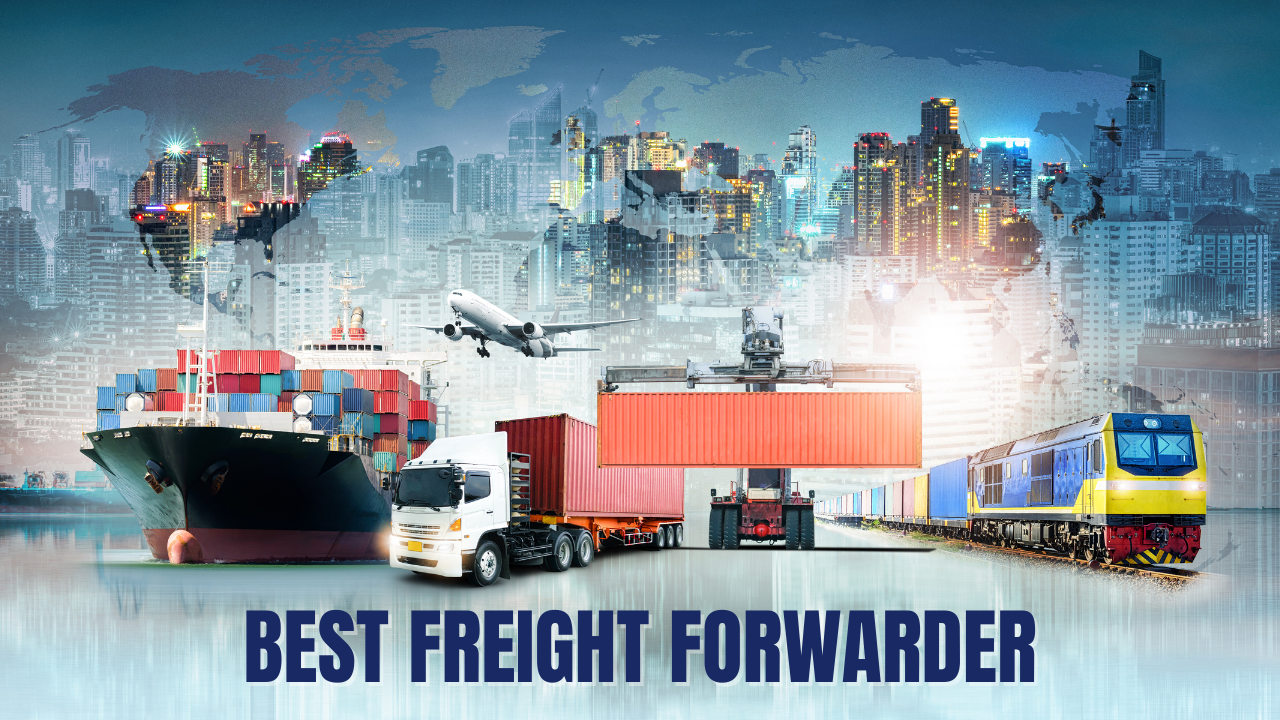
Understanding the core elements of logistics pricing is essential for any business looking to optimize its supply chain. Several variables dictate the final quote you receive from a freight forwarder, ranging from fuel surcharges to seasonal demand spikes.
Importers must consider the weight and volume of their cargo, as these are the primary drivers of cost. For instance, sea freight is typically calculated by the cubic meter, while air cargo uses a chargeable weight formula that accounts for both physical weight and dimensions.
Consequently, choosing the right shipping method depends heavily on your specific shipment profile and urgency. Market conditions also play a significant role, as global events can cause sudden shifts in carrier capacity and fuel prices.
Although some costs remain fixed, others fluctuate weekly, making it vital to monitor industry trends regularly. Therefore, staying informed about the latest logistics developments will help you secure the most competitive rates available.
Fuel Surcharges and Market Volatility
Fuel costs represent a significant portion of any freight quote and are often passed on to the shipper as a Bunker Adjustment Factor. When global oil prices rise, your shipping expenses will likely follow suit regardless of the carrier you choose.
Moreover, geopolitical events can disrupt major shipping lanes, leading to longer transit times and higher operational costs for carriers. In fact, recent disruptions in the Red Sea have forced many vessels to take longer routes, which has impacted the industry-wide price floor.
How Does Sea Freight Compare to Other Shipping Options?
Comparing different transport modes is the first step in identifying the most economical solution for your goods. While many businesses default to ocean transport for its low cost, other methods might offer better value depending on the transit time requirements.
Additionally, rail freight has emerged as a middle-ground alternative for shipments to Europe, offering faster speeds than the sea at a lower cost than air freight. However, for most bulk commodities and large-scale manufacturing orders, the ocean remains the undisputed leader in affordability.
In contrast, express services provide the fastest delivery but come with a premium price tag that may not be sustainable for large volumes. To help you decide, we have compiled a comparison of the primary shipping methods used today.
| Shipping Method | Cost Range | Transit Time | Best For |
|---|---|---|---|
| Sea Freight (FCL) | $1,500 – $4,500 | 14 – 40 Days | Large volumes, bulk |
| Air Freight | $4.50 – $9.00/kg | 3 – 7 Days | High-value, urgent |
| Rail Freight | $80 – $150/CBM | 15 – 22 Days | China to Europe land |
| Express Service | $6.00 – $12.00/kg | 2 – 5 Days | Samples, small parcels |
Choosing Between FCL and LCL for Maximum Savings
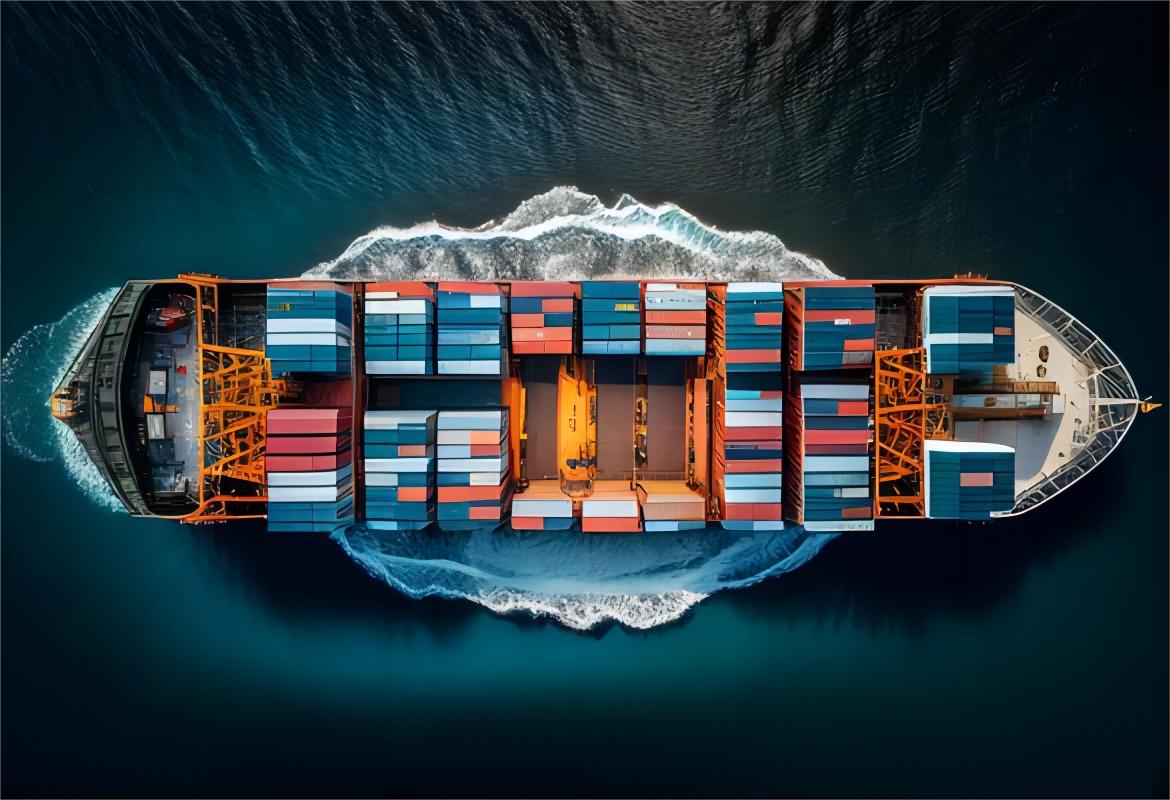
Choosing the right container load type is a critical decision that directly affects your cheap shipping from china price. Full Container Load (FCL) involves renting an entire container for your goods, while Less than Container Load (LCL) involves sharing space with other shippers.
Furthermore, FCL is generally more cost-effective once your shipment volume exceeds 15 cubic meters. If you are shipping smaller quantities, LCL allows you to pay only for the space you use, though it involves additional handling fees at the port.
Many businesses find that consolidating multiple small orders into a single FCL shipment significantly reduces their per-unit shipping cost. In addition, FCL shipments usually experience fewer delays because they do not require the consolidation and deconsolidation processes associated with LCL cargo.
| Container Type | Capacity (CBM) | Typical Use Case | Cost Efficiency |
|---|---|---|---|
| 20GP Container | 28 – 30 CBM | Heavy machinery, tiles | High for heavy loads |
| 40GP Container | 56 – 58 CBM | General merchandise | Standard efficiency |
| 40HQ Container | 68 – 70 CBM | Lightweight, bulky items | Best value for volume |
| LCL Shipping | 1 – 15 CBM | E-commerce, samples | Good for small loads |
How to Secure a Cheap Shipping From China Price for Large Volumes
Securing the best rates for large-scale operations requires strategic planning and strong relationships with logistics providers. For businesses utilizing Amazon FBA, optimizing packaging to reduce dimensional weight is a proven method to lower expenses.
Moreover, booking your shipments at least two to three weeks in advance can help you avoid last-minute premium rates. Carriers often offer lower prices to those who provide consistent volume and predictable schedules.
If your business can tolerate longer lead times, choosing slower transit routes or transshipment options can result in significant savings. Specifically, direct routes often carry a 10% to 15% surcharge compared to routes that include a stop at a major hub like Singapore or Port Klang.
Note: Freight rates are subject to change based on fuel costs, carrier capacity, and seasonal demand. Contact us for a current quote tailored to your specific shipment.
Hidden Costs That Affect Your Total Logistics Budget
Hidden expenses can quickly inflate a seemingly cheap shipping from china price if they are not accounted for in the initial budget. These costs often include terminal handling charges, documentation fees, and warehouse storage costs at the destination port.
Specifically, failing to prepare the correct paperwork can lead to expensive demurrage and detention fees. Working with an experienced customs brokerage professional ensures that your goods clear regulatory hurdles without unnecessary delays or fines.
Experts recommend requesting an all-in quote that covers every step of the journey from the factory floor to your warehouse. Finally, don’t forget to factor in marine insurance, which typically costs a small percentage of the cargo value but provides essential protection against loss or damage.
Common Destination Charges to Watch For
Destination charges often surprise new importers who only focus on the ocean freight rate. These may include port security fees, custom entry fees, and final mile delivery costs.
Indeed, the cost of trucking your goods from the port to your final warehouse can sometimes equal the cost of the ocean voyage itself. Therefore, calculating the total landed cost is the only way to accurately measure the success of your logistics strategy.
Real Case Studies: Successful Logistics Examples
Examining real-world scenarios provides valuable insight into how different businesses manage their shipping costs. These examples reflect typical market conditions and show how strategic choices impact the final invoice.
Case studies help illustrate the trade-offs between speed and cost in various international trade lanes. Below are three detailed scenarios based on typical rates from the 2023-2024 market period.
Case Study 1: Electronics to Los Angeles
+———————————————————+ | Route: Shenzhen, China -> Los Angeles, USA | | Cargo: Consumer Electronics, 18 CBM, 4500 kg | | Container: 20GP | | | | Shipping Details: | | – Carrier/Service: Major carrier (Direct) | | – Port of Loading: Shenzhen | | – Port of Discharge: Los Angeles | | | | Cost Breakdown: | | – Ocean Freight: $2,100 | | – Origin Charges: $350 | | – Destination Charges: $600 | | – Customs & Duties: $1,200 | | – Total Landed Cost: $4,250 | | | | Timeline: | | – Sea Transit: 16 days | | – Total Door-to-Door: 24 days | | | | Key Insight: Direct shipping saved 8 days of transit. | +———————————————————+
Case Study 2: Textiles to Hamburg
+———————————————————+ | Route: Ningbo, China -> Hamburg, Germany | | Cargo: Apparel/Textiles, 8 CBM, 2000 kg | | Container: LCL (Shared Space) | | | | Shipping Details: | | – Carrier/Service: LCL Consolidation | | – Port of Loading: Ningbo | | – Port of Discharge: Hamburg | | | | Cost Breakdown: | | – Ocean Freight: $640 ($80/CBM) | | – Origin/Dest Fees: $450 | | – Customs Clearance: $150 | | – Total Landed Cost: $1,240 | | | | Timeline: | | – Sea Transit: 32 days | | – Total Door-to-Door: 42 days | | | | Key Insight: LCL was 60% cheaper than a full container. | +———————————————————+
Which Option Should You Choose? A Decision Framework
Decision-making in logistics requires balancing competing priorities such as budget, speed, and cargo safety. If your primary concern is maintaining the lowest possible price, sea freight is almost always the correct choice for shipments over 200kg.
Budget priorities suggest that you should consolidate orders to fill a 40HQ container whenever possible. In contrast, if you are dealing with seasonal fashion or high-tech launches, the speed of air freight justifies the higher expense to avoid stockouts.
Volume thresholds also play a role; for instance, once your shipment hits 100kg, express couriers become significantly more expensive than traditional air cargo. Utilizing a door to door service can simplify the process, though it may include a small service premium for the convenience.
Ultimately, the best strategy involves a mix of methods tailored to your product lifecycle and customer demand patterns. By diversifying your shipping modes, you can mitigate risks and maintain a more stable average shipping cost per unit.
Summary of Shipping Cost Optimization
To summarize, finding a cheap shipping from china price involves more than just looking at the base freight rate. You must consider the total landed cost, including origin fees, destination charges, and the impact of transit times on your inventory turnover. By choosing the right container load, planning ahead for seasonal peaks, and working with a reliable freight forwarder, you can significantly reduce your logistics overhead.
Ultimately, successful importing requires a balance of strategic planning and market intelligence. We encourage you to use the frameworks provided in this guide to evaluate your current shipping methods and identify areas for improvement. Contact us today to see how we can help you achieve the best possible value for your international shipping needs.

Ready to streamline your logistics?
Ready to optimize your logistics and secure a competitive cheap shipping from china price for your next shipment? Our team of experts is standing by to provide a detailed, all-in quote that meets your specific business requirements. Visit our website today to request a free consultation and learn how we can streamline your international supply chain. Send Inquiry to China Top Freight and start saving on your freight costs today.
Request Quote