

Imagine running a growing e-commerce store in Singapore, but every time you order from suppliers in China, shipping costs eat into your profits. Worse, delays frustrate your customers. The good news? Whether it’s sea freight, air freight, or rail freight, you can cut costs and still enjoy timely delivery if you work with a reliable China freight forwarder.
This guide reveals exactly how to find the cheapest shipping from China to Singapore in 2025.
Understanding Shipping Options from China to Singapore
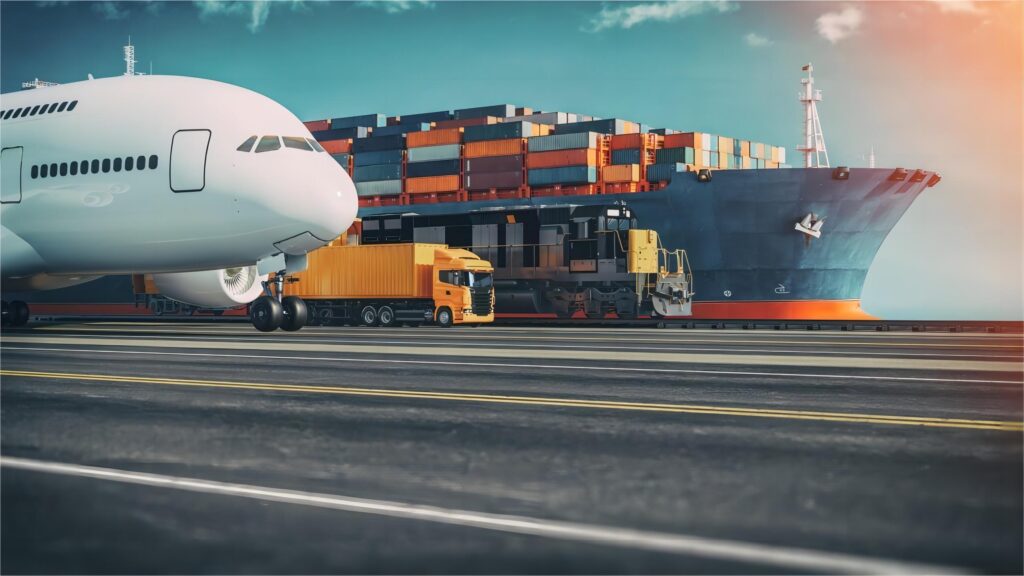
Sea Freight vs Air Freight vs Rail Freight: Which is Best?
- Sea Freight: Cheapest method for bulk cargo. A full container (FCL) or less-than-container load (LCL) offers flexibility, but delivery usually takes 5–12 days.
- Air Freight: Fastest method (1–3 days), but also the most expensive. Best for high-value or time-sensitive goods.
- Rail Freight: A growing option for cross-border Asia routes. Costs are lower than air but higher than sea, with delivery in 5–8 days.
| Method | Average Transit Time | Cost (per CBM) | Best For |
|---|---|---|---|
| Sea Freight | 5–12 days | $50–$80 | Bulk, heavy, non-urgent |
| Air Freight | 1–3 days | $150–$250 | Urgent, high-value items |
| Rail Freight | 5–8 days | $100–$150 | Mid-range cargo, balance of speed & cost |
| Courier (DHL/UPS/FedEx) | 2–5 days | $20–$30/kg | Small parcels, e-commerce orders |
When to Choose Courier Services for Small Parcels
If you’re shipping a few kilograms (like samples or online store orders), courier services such as DHL, UPS, or FedEx offer convenience. They handle customs clearance and deliver door-to-door, though prices per kilogram are higher.
Cost Comparison of Shipping Methods
Cheapest Sea Freight Rates and Timelines
For shipments above 1 cubic meter (CBM), sea freight is the cheapest. Consolidation (LCL) allows smaller businesses to share container space.
Example:
- 1 CBM shipment = $70–$90
- 20ft container (FCL) = $500–$800
- 40ft container (FCL) = $900–$1,300
Air Freight Costs vs Delivery Speed
Air freight is 5–7 times more expensive than sea freight, but cuts shipping time dramatically.
- Example: 100kg of goods may cost $1,200–$1,500 by air but just $300–$400 by sea.
Rail Freight – A Middle Ground Option
Rail freight is growing in popularity because it balances cost and time. It’s best for:
- Electronics
- Apparel
- Semi-urgent business goods
Key Factors Affecting Shipping Costs
Container Size & Weight
- Full Container Load (FCL): Fixed cost regardless of partial filling. Best for bulk shipments.
- Less-than-Container Load (LCL): Charged per CBM/weight. Best for small to medium businesses.
Customs Clearance & Import Duties
Both China and Singapore have strict customs processes. Delays often arise due to:
- Missing commercial invoices
- Incorrect HS codes
- Undervaluation of goods
Working with a freight forwarder that provides DDP shipping from China to Singapore helps eliminate clearance hassles.
Hidden Charges to Watch Out For
Common hidden costs include:
- Port handling fees
- Warehousing charges
- Insurance premiums
- Fuel surcharges
How to Find a Reliable China Freight Forwarder
Red Flags to Avoid When Choosing a Forwarder
- Extremely low quotes (may hide fees later).
- Poor communication.
- No experience handling Singapore customs.
Benefits of Using DDP Shipping from China to Singapore
- Delivered Duty Paid (DDP) = freight forwarder handles everything: shipping, customs, and delivery to your door.
- No surprise fees.
- Faster clearance.
- Ideal for e-commerce sellers with tight schedules.
Tips for Reducing Your Shipping Costs
Consolidating Shipments
Group multiple orders into one larger shipment to reduce LCL costs.
Negotiating Bulk Discounts
Work with forwarders who offer tiered pricing for regular clients.
Using Technology for Shipment Tracking
Choose forwarders with digital platforms to track cargo in real-time. This prevents delays and reduces hidden costs.
Request a Quote – Get Your Shipping Costs Now
What are you waiting for?
Contact TJ China Freight for a fast, free quote.
Are you ready to book?
Access live instant freight quotes
Case Study – Small Business Shipping Strategy
| Method | Cost (per shipment) | Transit Time | Notes |
|---|---|---|---|
| Sea Freight (LCL) | $350 | 7–10 days | Cheapest option, steady supply |
| Air Freight | $1,400 | 2 days | Too costly for weekly shipments |
| Rail Freight | $800 | 6 days | Balanced but slightly high |
Why Choose Us?
- 10+ years in international logistics
- Competitive shipping rates
- Dedicated account manager
- Real-time cargo tracking
- Warehousing and consolidation services
We ensure your agent China is handled with maximum care and transparency.
Final Thoughts
Finding the cheapest shipping from China to Singapore requires balancing speed, cost, and reliability. Sea freight is best for bulk, air freight for urgent cargo, and rail freight as a hybrid. Most importantly, working with a reliable China freight forwarder that offers DDP solutions ensures transparent pricing and smooth customs clearance.
FAQ
Q1: What is the cheapest month to ship from China to Singapore?
Shipping rates often rise before Chinese New Year and peak shopping seasons. The cheapest months are usually March–May and September–October, when demand is lower.
Q2: Can I ship directly from Alibaba suppliers to Singapore customers?
Yes. Many Alibaba suppliers partner with freight forwarders offering dropshipping or DDP solutions that deliver straight to your customer in Singapore without extra steps.
Q3: Is insurance necessary for shipments from China to Singapore?
While optional, cargo insurance is highly recommended for bulk or high-value shipments. Coverage usually costs 0.3%–0.5% of the cargo value and protects against loss or damage during transit.
Q4: Are there restricted items I cannot ship from China to Singapore?
Yes. Items like chewing gum, controlled medicines, and certain chemicals are restricted under Singapore law. Always check the Singapore Customs restricted goods list before shipping.
Q5: How can small e-commerce businesses manage fluctuating shipping costs?
Small businesses can join consolidation programs offered by freight forwarders. By sharing container space with other shippers, you minimize the impact of seasonal cost increases.
Q6: Do Singapore import duties apply to all shipments from China?
No. Goods below the GST relief threshold (S$400 for air/courier shipments) may be exempt from duties, though business imports generally require GST registration and payment.
Q7: Can I ship from multiple Chinese suppliers in one shipment to Singapore?
Yes. Freight forwarders can consolidate cargo from different suppliers into a single container or air shipment. This reduces cost and simplifies customs clearance in Singapore.