

- By kelly
- October 20, 2025
- Logistics, Tips or Guide
Cheapest Way to Ship Auto Parts from China to Europe – Complete Guide
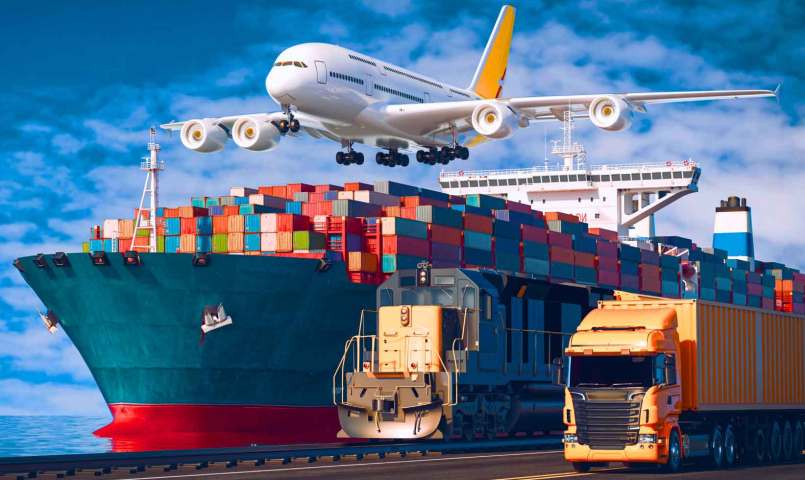
Finding the cheapest way to ship auto parts from China to Europe is crucial for importers facing tight budgets and strict delivery schedules. With rising logistics costs and complex customs procedures, choosing the right transport method can mean the difference between profit and loss. This guide explains shipping methods, costs, required documents, and strategies to cut expenses while ensuring compliance.
1. What Is the Cheapest Way to Ship Auto Parts from China to Europe?
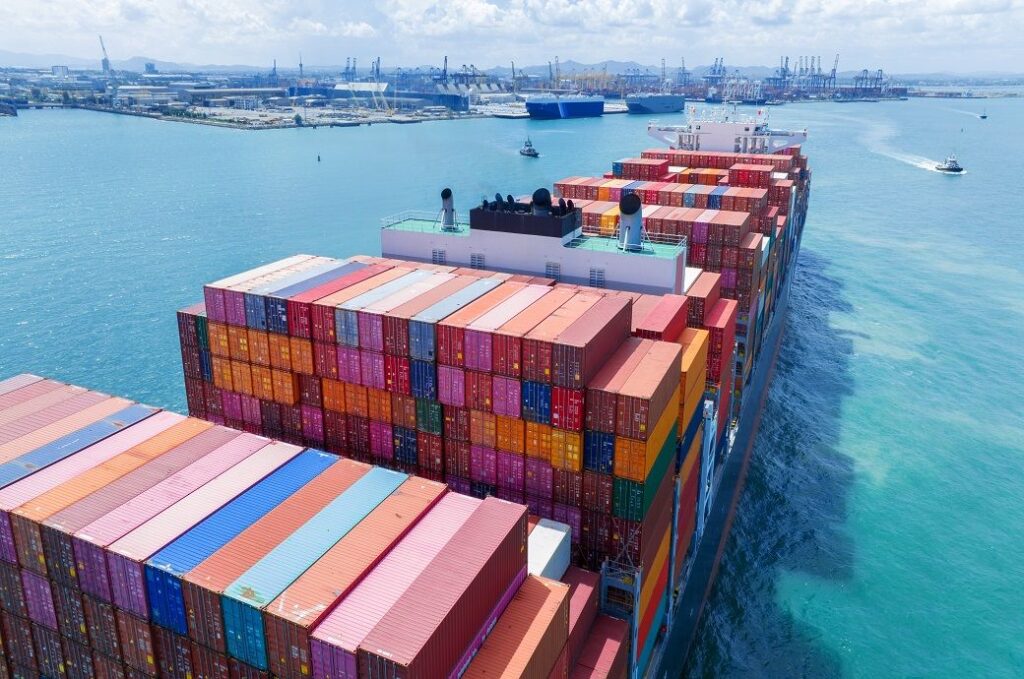
The most affordable option for bulk auto parts is sea freight. While air freight offers faster delivery, its higher price makes it less cost-effective for heavy machinery or spare parts. Rail freight, via the China–Europe corridor, balances speed and cost, making it attractive for mid-sized shipments.
2. How Do Shipping Methods Compare in Cost and Time?
| Shipping Method | Average Cost | Transit Time | Best For | Pros | Cons |
|---|---|---|---|---|---|
| Sea Freight (FCL 20ft) | $1,800 – $2,600 | 30–38 days | Large bulk shipments | Lowest cost, handles heavy cargo | Long transit times |
| Sea Freight (LCL per CBM) | $120 – $160 | 32–40 days | Small orders | Cost shared, flexible | Slower, risk of cargo mixing |
| Rail Freight | $2,200 – $3,000 per container | 18–22 days | Mid-volume shipments | Faster than sea, eco-friendly | Limited routes, customs checks |
| Air Freight | $5 – $8 per kg | 5–9 days | Urgent deliveries | Fast, reliable | Very expensive |
| Courier/Express | $7 – $10 per kg | 3–5 days | Small parcels, samples | Door-to-door, simple | Too costly for bulk |
3. Why Is Sea Freight the Cheapest Option for Auto Parts?

- Auto parts are often bulky and heavy, making air freight cost-prohibitive.
- Shipping by container reduces unit cost per kilogram.
- Carriers like COSCO, MSC, and Maersk offer contract rates for auto supply chains.
- Longer lead times are acceptable for wholesale spare parts compared to urgent orders.
4. What Factors Affect the Cost of Shipping Auto Parts?
- Weight and Volume: Heavier or oversized machinery increases freight charges.
- Mode of Transport: Sea freight is cheapest, air the most expensive.
- Origin and Destination Ports: Costs differ between Shanghai–Hamburg vs Shenzhen–Rotterdam routes.
- Incoterms: CIF vs FOB impacts whether seller or buyer pays freight/insurance.
- Seasonality: Peak seasons (pre-Christmas, Q2/Q3 production cycles) raise rates.
5. What Documents Are Needed to Import Auto Parts into Europe?
| Document | Purpose |
|---|---|
| Commercial Invoice | Lists product, HS codes, and values. |
| Packing List | Details carton count, dimensions, and weight. |
| Bill of Lading (Sea) / Airway Bill (Air) | Proof of transport. |
| Certificate of Origin | Confirms manufacturing in China. |
| Import License (if required) | For regulated components like engines or electronics. |
| Insurance Certificate | Covers damage/loss during transit. |
| CE Compliance Documentation | Needed for certain safety-related automotive parts. |
6. What Are the Transit Times from China to Europe?
| Origin (China) | Destination (Europe) | Sea Transit | Rail Transit | Air Transit |
|---|---|---|---|---|
| Shanghai | Hamburg | 32–36 days | 19–21 days | 6–8 days |
| Shenzhen | Rotterdam | 30–34 days | 18–20 days | 5–7 days |
| Ningbo | Antwerp | 31–37 days | 20–22 days | 6–9 days |
| Qingdao | Warsaw (via rail) | 33–38 days | 18–21 days | 6–8 days |
7. What Are the Pros and Cons of Shipping by Sea, Air, and Rail?
| Mode | Pros | Cons |
|---|---|---|
| Sea Freight | Cheapest, good for bulky loads | Slow, requires inventory planning |
| Air Freight | Fastest, reliable schedule | Expensive, limited by weight |
| Rail Freight | Mid-speed, eco-friendly | Customs complexity, limited access |
| Courier | Simple door-to-door | Unsuitable for bulk auto parts |
8. How to Calculate the Cost of Shipping Auto Parts?
Most freight charges are based on chargeable weight (whichever is greater: gross weight or volume weight). For bulky auto parts, volume weight often applies. Adding customs duties, VAT, and inland trucking gives a realistic landed cost.
9. Can Rail Freight Be the Best Alternative to Sea?
Yes, particularly for importers balancing cost and time. Rail freight takes around 20 days, cutting lead time by half compared to sea, while still being much cheaper than air.
10. How Do Customs Duties and Taxes Work for Auto Parts?
- Import Duty: 3–5% average depending on HS code.
- VAT (Value Added Tax): 20% (UK), 19% (Germany), 21% (Netherlands).
- Anti-Dumping Duties: May apply to specific products.
- HS Codes: Proper classification is essential to avoid overpaying duties.
11. How Do Incoterms Affect Auto Parts Freight Costs?
- FOB (Free on Board): Buyer pays shipping, insurance, and import charges.
- CIF (Cost, Insurance, Freight): Seller arranges shipping but not import duties.
- DDP (Delivered Duty Paid): Seller handles everything, higher upfront cost but no hidden fees.
12. How Can Importers Reduce Shipping Costs?
- Consolidate Shipments: Group LCL cargo to fill containers.
- Book Early: Reserve space during off-peak seasons.
- Negotiate Carrier Contracts: Use forwarders with bulk rates.
- Optimize Packaging: Reduce wasted volume.
- Select Rail for Mid-sized Loads: Lower cost than air while faster than sea.
📦Get a Free Quote
If you are sourcing automotive spare parts, choosing the cheapest way to ship auto parts from China to Europe requires balancing cost, speed, and compliance. Our logistics experts specialize in sea, rail, and air freight, ensuring smooth customs clearance and competitive rates. Contact us today for a tailored quote.
❓ Frequently Asked Questions
1. What is the most affordable shipping method for auto parts from China to Europe?
Sea freight is usually the cheapest, especially for bulky or heavy spare parts.
2. How long does sea freight take compared to rail?
Sea averages 30–38 days, while rail is faster at 18–22 days.
3. Which documents are mandatory for importing car parts?
Invoices, packing list, bill of lading, certificate of origin, and CE certifications if applicable.
4. Is air freight practical for auto parts?
Air freight is only cost-effective for urgent, lightweight, or high-value components.
5. Can small auto parts be shipped by courier?
Yes, express services work well for small parcels, samples, or urgent spares.
Conclusion
The cheapest way to ship auto parts from China to Europe depends on volume, urgency, and budget. Sea freight remains the most cost-effective for large orders, rail offers a balance of time and price, while air ensures speed but at a premium. By preparing accurate documents, negotiating freight rates, and selecting the right Incoterms, importers can reduce costs and ensure smooth supply chains. Partnering with a reliable freight forwarder is the smartest step toward efficiency and savings.