

- By carlie tj
- November 13, 2025
- Tips or Guide, Transport
Finding the cheapest way to ship clothing from China to Europe is a top priority for apparel importers aiming to maintain profit margins. With the right freight partner like ChinaTopFreight, you can minimize shipping costs, ensure timely delivery, and stay compliant with customs regulations across Europe.
1. What Is the Cheapest Way to Ship Clothing from China to Europe?
The cheapest way to ship clothing largely depends on your shipment volume, urgency, and destination. For most small to medium-sized clothing shipments, LCL sea freight (Less-than-Container Load) is the most affordable. Meanwhile, rail freight offers a balance between cost and speed for landlocked European countries.
Other cost-saving strategies include:
- Consolidation with other clothing shipments
- Shipping during off-peak seasons
- Partnering with freight forwarders with strong EU-China networks
2. How Do Different Shipping Methods Compare?
Each shipping mode—air, sea, rail—comes with trade-offs in cost, speed, and reliability. The table below offers a clear comparison for apparel logistics:
| Shipping Method | Average Cost (USD/CBM) | Transit Time (Days) | Best For | Drawbacks |
|---|---|---|---|---|
| Sea Freight (LCL) | $80–$120 | 30–40 | Non-urgent, large shipments | Slower, port congestion risks |
| Rail Freight | $150–$200 | 15–25 | Central Europe, mid-sized loads | Limited rail access in some areas |
| Air Freight | $5–$8/kg | 3–7 | Urgent or lightweight clothing | Expensive, weight restrictions |
| Express Courier | $8–$12/kg | 2–5 | Samples, small eCommerce orders | High cost, limited volume |
3. Why Is Sea Freight the Most Budget-Friendly Option?
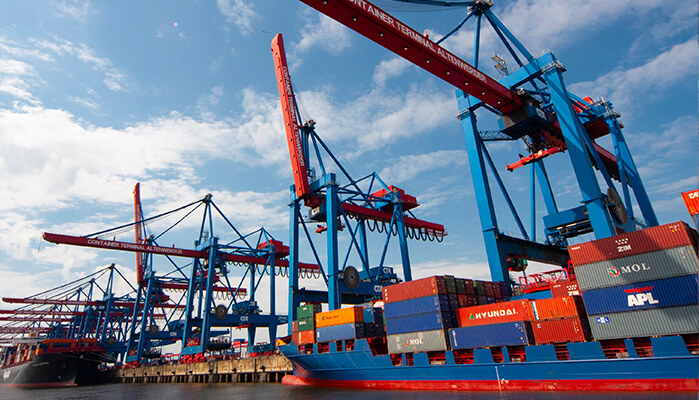
Sea freight remains the most economical solution for clothing importers shipping in bulk. Clothing is typically lightweight but bulky, making per-CBM pricing more cost-effective than weight-based methods like air freight. Additionally, sea shipping offers:
- Cheaper container sharing via LCL
- Scalable options (20ft or 40ft FCL)
- Port-to-port or door-to-door services
- High availability of containers for garments
4. Can Rail Freight Offer a Cost-Speed Balance?
For apparel businesses shipping to Germany, France, or Italy, rail freight from China to Europe is an ideal compromise. While slightly more expensive than sea, it is significantly faster. Clothing brands aiming for restocks or seasonal inventory can rely on rail routes like:
- Chongqing–Duisburg (Germany)
- Yiwu–Madrid (Spain)
- Zhengzhou–Hamburg (Germany)
Moreover, rail freight offers better security and lower carbon emissions than air freight.
5. How to Optimize Clothing Packaging to Save Costs?
Optimizing packaging reduces dimensional weight charges and maximizes space. Consider these tips:
- Use vacuum-sealed polybags to compress garments
- Stack garments flat, not folded
- Eliminate extra branding packaging if not needed
- Use cartons that perfectly fit pallet dimensions
Smarter packaging can reduce CBM usage by up to 15%, directly lowering your shipping costs.
6. What Are the Customs Requirements for Clothing Shipments?
Importing clothing to Europe involves strict customs documentation and compliance checks. Here is a quick checklist:
| Required Document | Description |
|---|---|
| Commercial Invoice | Details of transaction value and item HS codes |
| Packing List | Breakdown of garment types, quantities, weights |
| Certificate of Origin | Proves country of manufacture (China) |
| Importer EORI Number | Required for EU importers |
| Textile Compliance Certificate | Demonstrates compliance with EU fabric standards |
Failure to provide accurate documentation can result in delays, fines, or seizures.
7.Conclusion
Shipping clothing from China to Europe doesn’t have to be expensive. By choosing smart logistics options like LCL sea freight, rail for inland destinations, and optimizing packaging, businesses can cut costs without compromising delivery schedules. The cheapest way to ship clothing from China to Europe involves working with a trusted partner like ChinaTopFreight—ensuring cost-effective, timely, and compliant apparel logistics for your growing brand.
8. Request a Quote
China Top Freight offers:
- ✅ Origin and Destination Countries
- ✅ Cargo Type and Volume
- ✅ Preferred Transport Method (Air, Sea, Rail, Road)
- ✅ Delivery Timeline
- ✅ Special Handling Requirements (if any)
💬9. FAQ
What is the most cost-effective shipping method for bulk clothing?
LCL sea freight is usually the most economical for large volumes of non-urgent clothing shipments to Europe.
Can I save costs by consolidating my clothing shipments?
Absolutely. Consolidating multiple clothing orders into one shipment reduces per-unit shipping rates significantly.
Is rail freight suitable for all European countries?
Rail freight is best for central and eastern Europe. For coastal countries, sea freight may be more efficient.
What factors increase shipping costs for garments?
High-volume seasonal demand, poor packaging, and last-minute bookings often result in elevated shipping expenses.
Are there hidden costs when shipping clothes internationally?
Yes. Customs duties, taxes, port fees, and handling charges can add to your total freight costs if not pre-negotiated.