

- By kelly
- October 16, 2025
- Logistics, Tips or Guide
Cheapest Way to Ship Food Products from China to UK: Complete 2025 Guide
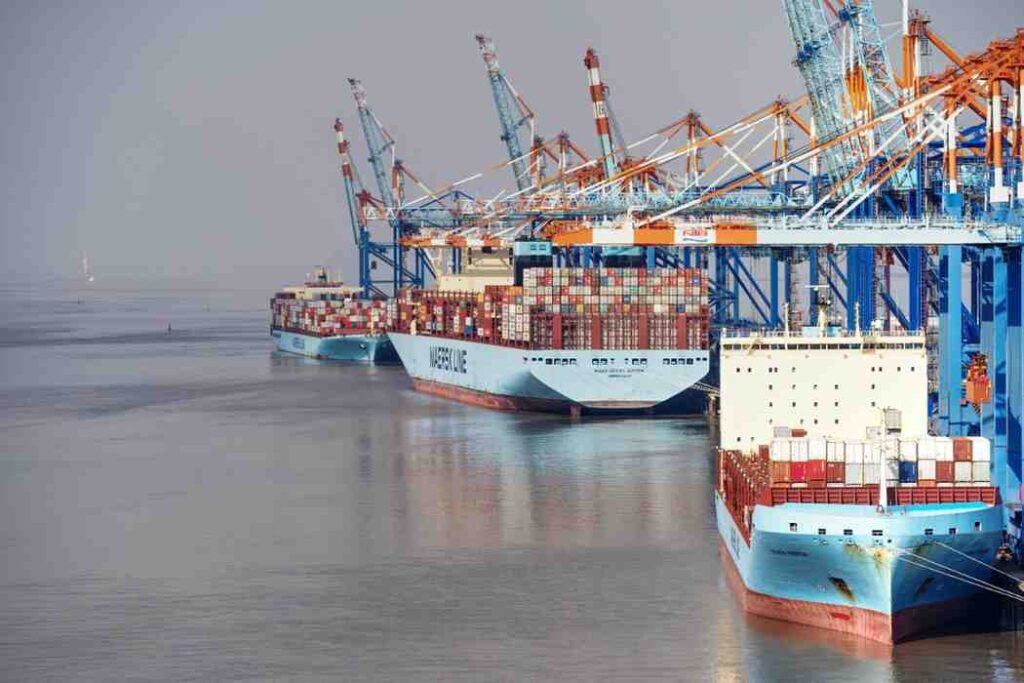
Food imports play a vital role in the UK supply chain, especially with the rising demand for Asian products, packaged snacks, and specialty ingredients. Many businesses ask about the cheapest way to ship food products from China to UK because margins in the food industry are often tight. However, importers must also consider transit times, customs clearance, and safety regulations. This guide covers costs, shipping options, customs procedures, and expert tips to help you choose the most cost-efficient method.
1. What Is the Cheapest Way to Ship Food Products from China to UK?
The cheapest way depends on shipment size, urgency, and product type.
- Sea freight (LCL or FCL): Best for bulk, non-perishable food products.
- Rail freight (via Europe): Faster than sea, cheaper than air, suitable for dry foods.
- Air freight: Expensive, but necessary for perishable or urgent items.
- Courier/Express: Only for samples or very small shipments.
2. How Much Does It Cost to Ship Food Products from China to UK?
| Shipping Method | Average Cost | Transit Time | Best For |
|---|---|---|---|
| Sea Freight LCL | $100–$150 per CBM | 30–40 days | Small batches of packaged food |
| Sea Freight FCL (20ft) | $1,800–$2,500 | 30–35 days | Bulk dry food or canned products |
| Rail Freight | $2,500–$3,800 per container | 18–25 days | Dry goods needing faster delivery |
| Air Freight | $5–$8 per kg | 5–8 days | Perishables, urgent cargo |
| Courier | $25–$50 per package | 3–5 days | Samples or very small parcels |
Conclusion: For cost savings, sea freight is the cheapest method.
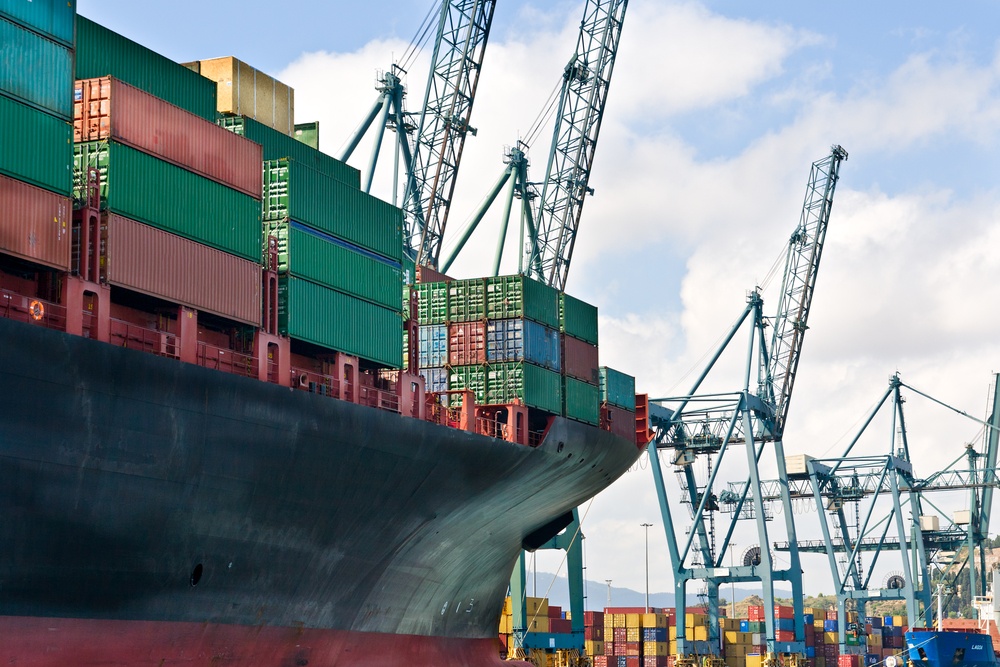
3. How Long Does It Take to Ship Food from China to UK?
| Route | Method | Transit Time |
|---|---|---|
| Shanghai → Felixstowe | Sea Freight | 30–35 days |
| Ningbo → Southampton | Sea Freight | 32–38 days |
| Yiwu → London (via rail + truck) | Rail Freight | 18–25 days |
| Shanghai → London Heathrow | Air Freight | 5–8 days |
4. What Documents Are Required to Ship Food Products?
Importing food requires more documentation than general cargo.
| Document | Purpose |
|---|---|
| Commercial Invoice | Declares value and HS codes |
| Packing List | Details food types, quantities |
| Bill of Lading / Airway Bill | Transport proof |
| Certificate of Origin | Confirms product source |
| Health Certificate | Required for food safety |
| Import License | For regulated food categories |
| Phytosanitary Certificate | Needed for plant-based items |
5. What Are UK Customs Requirements for Food Imports?
- UK Food Standards Agency (FSA): Oversees compliance for food safety.
- Import VAT: 20% of CIF value.
- Customs Duty: Varies by HS code (e.g., 5–12% on processed food).
- Restricted Items: Meat, dairy, and certain fresh produce need special approval.
Tip: Always verify HS codes before shipping to avoid costly delays.
6. Sea Freight: Cheapest Way for Bulk Food Products
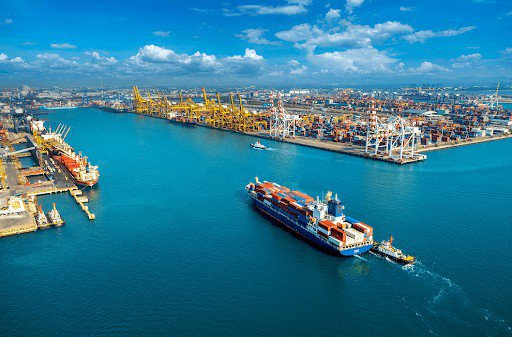
Sea freight is the cheapest way to ship food products from China to UK, especially for dry, canned, or packaged goods.
Pros and Cons of Sea Freight
| Pros | Cons |
|---|---|
| Lowest cost per unit | Long transit time |
| Best for bulk shipments | Risk of delays at ports |
| Suitable for non-perishables | Additional storage may be needed |
7. Air Freight: When Speed Is More Important
Air freight is expensive but necessary for frozen food, fresh seafood, or short shelf-life items.
Pros: Fast, secure, reliable.
Cons: Very costly for large volumes.
Best Use: Perishable food, urgent deliveries.
8. Rail Freight: A Balanced Alternative
Rail freight from China to Europe (then truck to UK) is faster than sea but cheaper than air.
- Best For: Packaged dry food, beverages, or non-urgent but time-sensitive cargo.
- Transit Time: 18–25 days.
9. Courier/Express for Food Samples
Courier services like DHL, UPS, or FedEx are only economical for small parcels or food samples.
- Cost: $25–$50 per package.
- Transit Time: 3–5 days.
- Best For: Samples, trial shipments, or urgent small orders.
10. Cost Comparison: Sea vs Air vs Rail Freight
| Factor | Sea Freight | Rail Freight | Air Freight |
|---|---|---|---|
| Cost | Lowest | Moderate | Highest |
| Speed | 30–40 days | 18–25 days | 5–8 days |
| Best For | Bulk, low-cost food | Mid-volume, faster delivery | Perishable food |
11. How to Reduce Food Shipping Costs?
- Consolidate shipments to save on LCL rates.
- Use FCL for volumes above 15 CBM.
- Choose major Chinese ports (Shanghai, Shenzhen, Ningbo).
- Avoid peak seasons (Q3/Q4).
- Work with a freight forwarder specializing in food logistics.
📦Get a Free Quote
We provide specialized solutions for food logistics, offering competitive sea, rail, and air freight options. Our team ensures compliance with UK food standards, smooth customs clearance, and cost savings for bulk food imports. Contact us today for a tailored quote on the cheapest way to ship food products from China to UK.
❓ Frequently Asked Questions
1. What is the cheapest way to ship food products from China to UK?
Sea freight is the cheapest method for bulk food imports, especially for packaged, canned, or dry products.
2. Can I ship perishable food from China to UK?
Yes, but it must go via air freight with temperature-controlled solutions to maintain product freshness.
3. How long does sea freight take from China to UK?
On average, sea freight takes 30–40 days, depending on departure and arrival ports.
4. What taxes apply to food imports into the UK?
Importers must pay customs duty (varies by HS code) and 20% VAT on the shipment’s CIF value.
5. What documents are needed to import food into UK?
Key documents include commercial invoice, packing list, bill of lading, certificate of origin, and health certificates.
Conclusion
The cheapest way to ship food products from China to UK is by sea freight, particularly for dry or packaged goods shipped in bulk. However, businesses dealing with perishable products may need air freight despite higher costs. Rail freight provides a good middle-ground solution for those seeking faster delivery at moderate prices.
By preparing documents accurately, choosing the right shipping method, and working with an experienced freight forwarder, importers can cut costs, avoid delays, and ensure compliance with UK food import regulations.