

- By ayla tj
- October 30, 2025
- Logistics, Uncategorized
For importers of heavy equipment and industrial tools, reducing logistics costs while maintaining reliability is crucial. The cheapest way to ship machinery from China to Europe often involves sea freight, but other modes like rail and air may be better depending on urgency, cargo size, and regulatory requirements. This guide explains cost-effective methods, customs procedures, and strategies to streamline your machinery shipments from China to Europe.

Why Is Machinery Shipping Different from Other Cargo?
Machinery shipments often involve oversized cargo, heavy weight, or delicate equipment that requires special handling. Unlike smaller consumer goods, machinery must meet safety, compliance, and packaging standards. Therefore, understanding freight options is key to minimizing risks and costs while ensuring timely delivery.
What Is the Cheapest Shipping Method for Machinery?
| Shipping Method | Typical Cost | Transit Time | Best For | Pros | Cons |
|---|---|---|---|---|---|
| Sea Freight (FCL) | $3,000–$5,500 per 20ft | 30–40 days | Large or heavy machinery | Cheapest for bulk | Slow, port congestion |
| Sea Freight (LCL) | $120–$180 per CBM | 35–45 days | Small machinery parts | Cost-sharing | Longer transit, handling risks |
| Rail Freight | $5,500–$7,500 per 40ft | 18–25 days | Time-sensitive heavy cargo | Faster than sea | Limited routes, moderate cost |
| Air Freight | $5–$9 per kg | 5–10 days | Urgent spare parts | Fastest | Most expensive |
| Express Courier | $8–$15 per kg | 3–6 days | Small spare parts | Door-to-door | Not viable for bulky cargo |
Are you ready to book?
Access live instant freight quotes
How Long Does Machinery Shipping Take from China to Europe?
| Origin Port/Airport (China) | Destination Hub (Europe) | Sea Freight | Rail Freight | Air Freight |
|---|---|---|---|---|
| Shanghai Port | Hamburg, Germany | 35–40 days | 20–22 days | 6–8 days |
| Shenzhen Port | Rotterdam, Netherlands | 30–35 days | 19–21 days | 5–7 days |
| Ningbo Port | Antwerp, Belgium | 32–38 days | 21–23 days | 6–8 days |
| Qingdao Port | Warsaw, Poland | 33–40 days | 18–20 days | 7–9 days |
What Customs Documents Are Required for Machinery?
| Document | Purpose |
|---|---|
| Commercial Invoice | Declares shipment value and HS codes |
| Packing List | Details packaging, weight, and unit count |
| Bill of Lading / Air Waybill | Proof of shipment |
| Import Declaration | Required by EU customs |
| CE Certificate | Confirms EU machinery compliance |
| Certificate of Origin | Confirms manufacturing country |
| Technical Manuals | May be required for customs inspection |
| Insurance Certificate | Provides cargo protection |
How Do EU Regulations Affect Machinery Imports?
- CE Marking: Machinery imported into the EU must comply with the EU Machinery Directive (2006/42/EC).
- HS Codes & Tariffs: Machinery HS codes determine customs duties, usually ranging from 2%–8%.
- Eco Compliance: Some machines must meet EU EcoDesign and REACH standards.
- Safety Documentation: Manuals in European languages may be required for end-users.
Should You Choose FCL or LCL for Machinery?
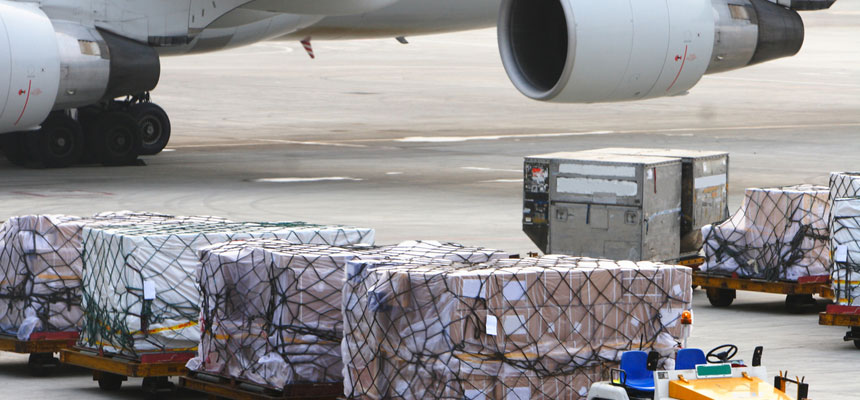
- FCL (Full Container Load): Ideal for large or heavy machinery. Provides security and cost-efficiency per unit.
- LCL (Less than Container Load): Suitable for small shipments but increases risk of damage due to multiple handling.
- Best Practice: Use FCL for complete machines and LCL for spare parts or small machinery components.
What Packaging Is Needed for Machinery Freight?
- Wooden Crates: Strong and compliant with ISPM-15 regulations for EU imports.
- Steel Frames or Pallets: For oversized machinery.
- Shock Absorbers: Protect delicate instruments inside heavy machinery.
- Moisture Protection: Anti-rust wrapping for sea freight.
Cost Breakdown by Machinery Type
| Machinery Type | Weight/Volume | Preferred Mode | Typical Cost | Notes |
|---|---|---|---|---|
| CNC Machines (20 tons) | Full 40ft | Sea Freight | $4,500–$5,500 | Requires strong wooden crating |
| Auto Parts Machinery (10 tons) | Half 40ft | Rail Freight | $5,800–$6,500 | Faster than sea |
| Small Spare Parts (300 kg) | Palletized Cargo | Air Freight | $2,000–$2,800 | Urgent demand |
| Printing Machines (15 tons) | 20ft FCL | Sea Freight | $3,800–$4,500 | Needs CE compliance |
| Agricultural Machines (25 tons) | 40ft HQ | Sea Freight | $5,000–$6,200 | May need disassembly |
How to Reduce Costs in Machinery Shipping?
- Plan Ahead: Book early to avoid peak season surcharges.
- Use Break-Bulk Options: For oversized machinery that doesn’t fit in containers.
- Choose Rail for Urgent Deliveries: Balances cost and time.
- Ensure Accurate Documentation: Avoid costly customs penalties.
- Work with Freight Experts: Machinery specialists reduce risks of delays and damage.
Conclusion
Choosing the cheapest way to ship machinery from China to Europe depends on the shipment size, urgency, and compliance requirements. Sea freight is the most cost-effective for heavy or bulky equipment, while rail freight provides faster transit at moderate cost. Air freight is best for urgent spare parts but not practical for full machines. With proper planning, accurate customs documents, and specialized freight forwarders, businesses can minimize expenses and ensure smooth machinery imports into Europe.
FAQ
1. What is the most affordable way to ship heavy machinery to Europe?
Sea freight (FCL) is usually the cheapest method for large machinery shipments, though rail can be a faster mid-cost alternative.
2. How long does sea freight take from China to Europe for machinery?
It typically takes 30–40 days depending on the origin port, destination hub, and potential customs or port delays.
3. Do machinery imports into Europe require CE certification?
Yes, most machinery must carry CE marking under EU regulations, ensuring compliance with safety and environmental standards.
4. Can I ship oversized machinery that does not fit in a container?
Yes, break-bulk shipping is available for oversized cargo, where machinery is loaded individually onto vessels.
5. Is rail freight reliable for heavy machinery?
Yes, rail freight is faster than sea and can handle heavy equipment, but it has limited routes and is costlier than sea freight.