

- By kelly
- October 24, 2025
- Logistics, Tips or Guide
China Air Freight Delays: Causes, Costs & Practical Solutions
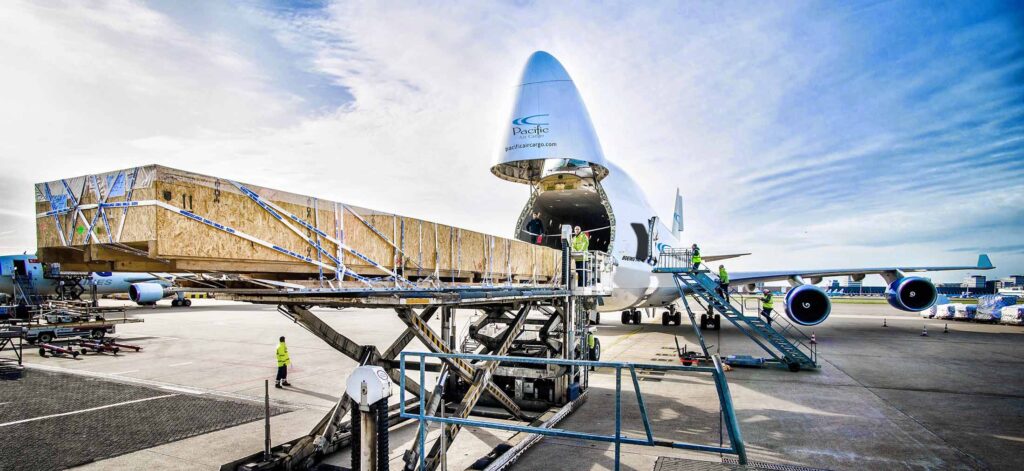
Businesses relying on China air freight often face unexpected shipment disruptions. In recent years, China air freight delays have affected global supply chains, raising concerns about delivery schedules, customs clearance, and cost efficiency. Understanding the root causes and preparing effective strategies helps importers and exporters minimize risks while maintaining reliable operations.
1. What Are the Main Causes of China Air Freight Delays?
Several factors contribute to delays:
- Congested airports due to high cargo volumes.
- Customs inspections and document discrepancies.
- Seasonal surges, especially before Chinese New Year and Golden Week.
- Weather disruptions, such as typhoons or fog.
- Global crises, including pandemics or geopolitical conflicts.
2. How Do Delays Affect Supply Chains?
China’s role as the world’s manufacturing hub means any air freight delay impacts industries worldwide. Consequences include:
- Extended lead times for importers.
- Higher costs from storage or demurrage.
- Interrupted production schedules for factories.
- Customer dissatisfaction due to late deliveries.
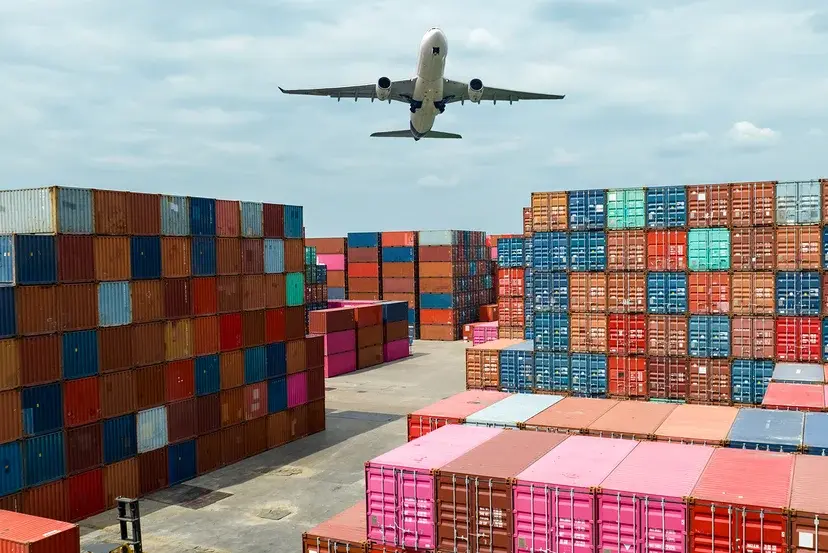
3. What Are the Typical Transit Times for China Air Freight?
| Route | Standard Transit Time | With Delays |
|---|---|---|
| Shanghai → Frankfurt | 5–7 days | 8–12 days |
| Shenzhen → Los Angeles | 6–8 days | 9–14 days |
| Beijing → London | 5–6 days | 8–11 days |
| Guangzhou → Dubai | 4–6 days | 7–10 days |
Even minor customs or handling delays can extend shipping times by several days.
4. Why Do Seasonal Peaks Worsen Air Freight Delays?
5. What Customs Issues Cause Delays?
Customs compliance is a frequent source of delays. Missing or incorrect documents can cause shipments to be held. Common issues include:
| Document | Importance |
|---|---|
| Commercial Invoice | Declares value for duties. |
| Packing List | Details cargo items. |
| Air Waybill | Shipment tracking document. |
| Import Licenses | Required for restricted goods. |
| Certificates (CE/FDA) | For medical or regulated products. |
Ensuring accuracy reduces clearance risks.
6. Should You Switch to Sea or Rail Freight to Avoid Delays?
| Factor | Air Freight | Sea Freight | Rail Freight |
|---|---|---|---|
| Speed | Fastest | Slow | Moderate |
| Cost | Highest | Lowest | Mid-range |
| Risk of Delay | High (congestion) | High (port delays) | Medium |
| Best For | Urgent cargo | Bulk shipments | Mid-volume, mid-urgency |
While sea and rail offer alternatives, they come with their own risks. Choosing depends on urgency and cargo type.
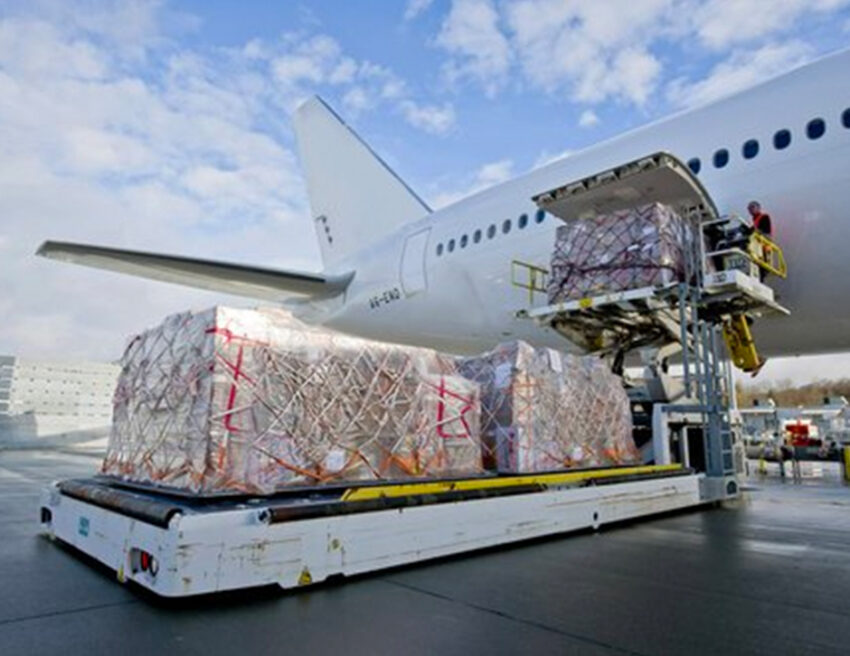
7. How Do Air Freight Delays Impact Shipping Costs?
- Storage fees at airports if cargo is stuck.
- Rebooking costs when flights are overbooked.
- Emergency surcharges during high-demand seasons.
- Increased insurance premiums due to delays.
8. What Strategies Can Minimize China Air Freight Delays?
- Book early to secure space before peak seasons.
- Work with experienced freight forwarders familiar with Chinese customs.
- Use multiple entry points, like Hong Kong or Shenzhen, instead of only Shanghai.
- Ensure complete documentation to avoid customs rejection.
- Consider multimodal solutions, combining air with rail or sea for flexibility.
9. Which Industries Are Most Affected by China Air Freight Delays?
- Electronics: Smartphones, laptops, and components face major disruption.
- Medical supplies: Delays in critical equipment impact healthcare.
- Fashion and retail: Seasonal sales windows are highly time-sensitive.
- E-commerce: Amazon FBA sellers risk stock-outs and penalties.
10. How Can Businesses Build Resilience Against Delays?
- Diversify suppliers across Asia, not just China.
- Maintain safety stock in Europe or the U.S. to absorb delays.
- Use supply chain visibility tools for real-time tracking.
- Partner with freight forwarders offering door-to-door services.
11. Shipping Method Comparison: Pros and Cons
| Method | Cost | Speed | Pros | Cons |
|---|---|---|---|---|
| Air Freight | High | Fastest | Urgent delivery, reliable | Expensive, prone to congestion |
| Sea Freight | Low | Slowest | Cost-efficient for bulk | Long delays, port congestion |
| Rail Freight | Medium | Faster than sea | Balance of cost & speed | Limited routes, capacity issues |
| Courier | Very High | Fastest | Best for small parcels | High cost per kg |
12. Practical Tips for Importers Facing Delays
- Negotiate contracts with delay clauses.
- Plan shipments earlier around Chinese holidays.
- Split shipments into smaller loads across carriers.
- Work with customs brokers to pre-clear documents.
📦Get a Free Quote
Reliable logistics partners can help you manage China air freight delays effectively. Our team provides competitive rates, expert customs handling, and tailored solutions to ensure your cargo reaches its destination on time despite disruptions. Contact us today for a customized shipping plan.
❓ Frequently Asked Questions
Q1: What are the main causes of China air freight delays?
The main causes include airport congestion, customs inspections, weather disruptions, and seasonal peaks like Chinese New Year.
Q2: How long do delays usually last?
Delays can range from 2–3 days during normal congestion to more than a week during peak holiday seasons or global crises.
Q3: How can I reduce the risk of delays?
Book shipments early, use multiple airports, ensure proper documentation, and work with experienced freight forwarders.
Q4: Are couriers faster than regular air freight?
Yes, express couriers like DHL or FedEx are usually faster, but they are more expensive and suitable for small shipments.
Q5: Which industries are most affected by delays?
Electronics, healthcare, fashion, and e-commerce are most vulnerable due to their time-sensitive supply chains.
Conclusion
The issue of China air freight delays highlights how fragile global supply chains can be. Delays caused by congestion, customs, and seasonal surges often increase costs and disrupt schedules. However, with careful planning, multimodal strategies, and the right freight forwarder, businesses can mitigate risks and maintain timely deliveries. By understanding the causes and preparing solutions, importers can turn disruption into opportunity while ensuring resilient supply chains.