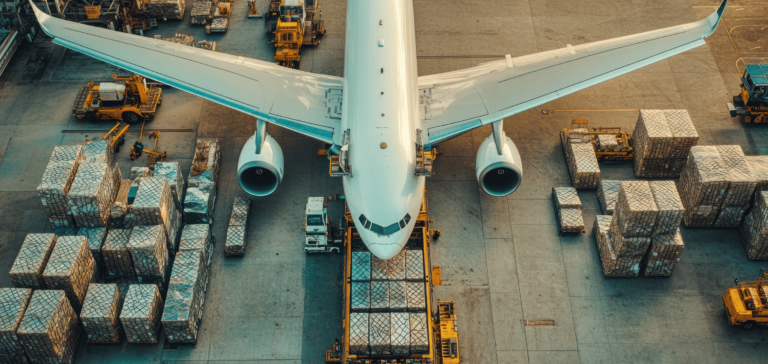
Importers worldwide depend on air freight for speed and reliability, but understanding China air freight rates can be challenging. Prices fluctuate with fuel, season, demand, and route, leaving many shippers uncertain about budgeting. This guide explains costs, delivery schedules, customs, and how to choose the most efficient solution for your supply chain.

1. What Are China Air Freight Rates?

china air freight rates

China air freight rates are the shipping costs charged per kilogram or per shipment when goods are transported by air from China to global destinations. Rates are influenced by weight, volume, delivery urgency, and airline capacity.

2. Why Do Businesses Choose Air Freight Over Sea Freight?

  • Speed: Delivery in days, not weeks.
  • Reliability: Fixed flight schedules.
  • Security: Lower risk of damage or theft.
  • Flexibility: Ideal for high-value, small, or time-sensitive cargo.

3. How Much Does Air Freight from China Cost?

DestinationAvg Cost (per kg)Transit TimeNotes
USA (West Coast)$6 – $85–7 daysHigh demand route
USA (East Coast)$7 – $106–8 daysLonger transit
Europe$5 – $74–6 daysMajor hub flights
Canada$6 – $95–7 daysPopular for electronics
Australia$5 – $74–6 daysSeasonal demand spikes

What are you waiting for?

Contact TJ China Freight for a fast, free quote.

  Are you ready to book?

    Access live instant freight quotes

4. What Factors Affect China Air Freight Rates?

  • Cargo weight and volume (chargeable weight is based on whichever is higher).
  • Seasonal demand (e.g., before Christmas, Chinese New Year).
  • Fuel prices and surcharges.
  • Customs clearance delays.
  • Airport congestion at hubs like Shanghai Pudong or Beijing.

5. Should You Use Express, Standard, or Economy Air Freight?

Service TypeCostTransit TimeBest For
Express (Courier)High ($8–$12/kg)2–4 daysUrgent shipments
Standard Air FreightMedium ($5–$9/kg)5–7 daysGeneral goods
Economy Air FreightLower ($4–$6/kg)7–12 daysNon-urgent cargo

6. What Customs Documents Are Required?

china air freight rates
DocumentPurpose
Air Waybill (AWB)Proof of air transport
Commercial InvoiceDeclares shipment value
Packing ListCargo details
Import DeclarationRequired for customs
Certificates (if needed)Safety or compliance

7. How Does Air Freight Compare to Sea and Rail Freight?

ModeAvg CostTransit TimeBest For
Air Freight$5–$10/kg5–8 daysUrgent, high-value goods
Sea Freight$2,000–$4,000/container25–35 daysBulk, low-cost cargo
Rail Freight (to EU)$4,000–$6,000/container18–22 daysFaster than sea, eco-friendlier

8. What Are the Pros and Cons of Air Freight from China?

Pros

  • Fastest global delivery.
  • Secure handling for high-value items.
  • Regular, predictable schedules.

Cons

  • High cost compared to sea or rail.
  • Limited capacity for oversized cargo.
  • Subject to fuel surcharges and peak-season spikes.

9. How to Save Money on China Air Freight Rates

  • Book early to lock in better prices.
  • Consolidate shipments into fewer consignments.
  • Use economy options for non-urgent cargo.
  • Partner with an experienced freight forwarder to negotiate bulk rates.

10. Do Airlines Offer Different Rates by Destination?

Yes. Routes with high demand and competition often provide lower rates. For example, China to Los Angeles is generally cheaper than China to smaller US airports.

Final Thoughts

Understanding China air freight rates is critical for importers balancing speed and cost. While air freight is more expensive than sea or rail, it remains the fastest and most secure option for high-value or urgent goods. By preparing customs documents, booking early, and working with a reliable freight forwarder, businesses can optimize costs and avoid delays. Partnering with experts ensures your shipments move smoothly, keeping your supply chain efficient and competitive.

FAQ

Q1: How are China air freight rates calculated?

Rates are calculated by chargeable weight, which is the greater of actual weight or dimensional weight, plus surcharges and customs fees.

Yes, peak seasons like Christmas and Chinese New Year see higher demand, reduced space, and increased prices. Booking early helps secure lower rates.

Yes, but only with proper certification and packaging. Airlines follow IATA Dangerous Goods Regulations for safe handling.

No. Duties, VAT, and local handling charges are billed separately. Importers should budget these in addition to freight costs.

Express courier is faster and door-to-door, while standard freight is airport-to-airport, requiring additional arrangements for pickup and delivery.

Post a Comment