

China Air Freight Rates: Your Ultimate Guide to Costs
Navigating the complexities of international shipping from China can be challenging, especially when understanding current China air freight rates. Businesses continually seek efficient and cost-effective ways to transport goods, making air freight a critical component of global supply chains. This comprehensive guide will demystify the various factors influencing these rates, helping you make informed decisions for your next shipment.
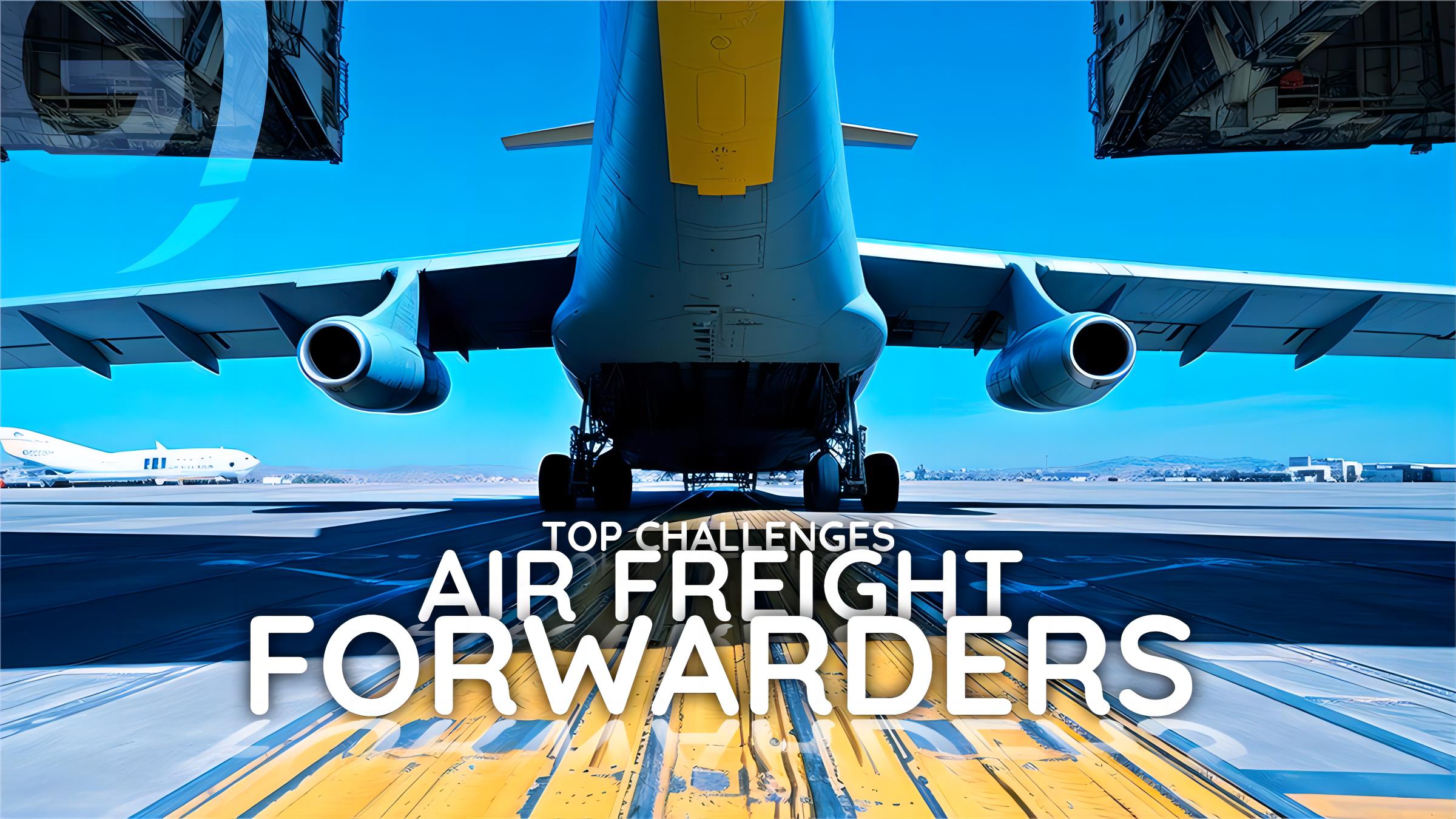
Understanding the Fundamentals of China Air Freight Rates
Determining the cost of air freight from China involves several dynamic variables. Primarily, the actual weight and volumetric weight of your cargo significantly impact the final price. Carriers often charge based on the greater of these two, ensuring efficient use of aircraft space.
Furthermore, the destination country and specific airport play a crucial role in pricing structures. Longer distances or less common routes generally incur higher charges due to increased fuel consumption and reduced cargo volume. Consequently, shipping to major hubs like Los Angeles or Frankfurt might be more economical than to remote areas.
The urgency of your shipment also directly affects the cost; express air freight services, while faster, command a premium over standard air cargo options. Moreover, fuel surcharges, which fluctuate with global oil prices, are a significant component of the overall air freight cost. These surcharges are adjusted regularly, impacting your total shipping expenses.
Additionally, seasonal demand and carrier capacity heavily influence pricing, with peak seasons like the months leading up to holidays or during major sales events seeing considerable rate increases. Therefore, planning ahead and booking early can help mitigate these surge pricing effects. Knowing these factors is essential for anyone looking to optimize their air cargo rates from China.
Decoding Air Freight Cost Calculations
Calculating air freight costs from China involves more than just a simple per-kilogram rate. Firstly, the “chargeable weight” is determined by comparing the gross weight of your shipment against its volumetric weight, with the higher value being used for billing. This ensures fair pricing for bulky yet light items.
Secondly, a base rate is applied per kilogram or pound, depending on the carrier and route. This base rate covers the fundamental cost of transporting your goods from the origin airport to the destination airport. However, this is just one piece of the puzzle.
Subsequently, various surcharges are added, including fuel surcharges (FSC) and security surcharges (SSC), which compensate for fluctuating fuel prices and enhanced security measures. These are mandatory additions to the base freight cost. Importantly, these can vary significantly between airlines.
Moreover, terminal handling charges (THC) are applied at both the origin and destination airports for the loading, unloading, and handling of your cargo. Furthermore, customs clearance fees and duties, which can vary significantly by product and destination country, must also be factored in. For seamless processing, engaging professional customs brokerage services is highly recommended.
Typical China Air Freight Rates and Transit Times
Understanding average air freight costs from China to major global destinations provides a valuable benchmark for businesses. Rates are highly variable, but general ranges can help in initial budgeting and planning. These figures are subject to change based on market conditions, carrier availability, and specific service levels.
For instance, shipping a 100kg package from Shanghai to the USA might cost between $4.50 and $7.50 per kg, excluding additional surcharges and destination fees. Similarly, rates to Europe could range from $4.00 to $7.00 per kg for comparable weight. These rates typically include airport-to-airport service.
Transit times also vary significantly by destination and service type. Generally, air freight from China to North America or Europe takes approximately 3-7 business days. This timeframe covers the airport-to-airport journey, excluding any potential customs delays or final mile delivery. Destinations in Southeast Asia often see quicker transit, sometimes within 1-3 days.
Consider the following table for a general overview of typical airport-to-airport rates and transit times as of early 2025. Note: Freight rates are subject to change based on fuel costs, carrier capacity, and seasonal demand. Contact us for a current quote tailored to your specific shipment.
| Destination Region | Typical Rate Range (per kg) | Estimated Transit Time (Days) |
|---|---|---|
| North America (USA, Canada) | $4.50 – $7.50 | 3-7 |
| Europe (Germany, UK, France) | $4.00 – $7.00 | 3-6 |
| Australia & New Zealand | $5.00 – $8.00 | 4-8 |
| Southeast Asia | $2.50 – $4.50 | 1-3 |
Air Freight vs. Express Service: Which is Right for Your Shipment?
Distinguishing between standard air freight and express courier services is crucial for optimizing both cost and speed. While both utilize air transport, their operational models and pricing structures differ significantly. Standard air freight typically involves larger shipments, often palletized, moving from airport to airport.
Conversely, express services, offered by companies like DHL, FedEx, and UPS, specialize in smaller, time-sensitive parcels and packages. They provide integrated door-to-door delivery, often including customs clearance, which simplifies the process for the shipper. Their networks are optimized for speed and convenience, making them ideal for urgent deliveries.
Consequently, express services usually come with a higher per-kilogram cost compared to traditional air freight due to their expedited handling and comprehensive service. However, for shipments under 100-150 kg, the all-inclusive nature and speed of express service can sometimes make it a more cost-effective and efficient option.
Ultimately, the choice depends on your specific needs: if speed and convenience for smaller packages are paramount, express is often preferred. For larger, less urgent cargo where cost efficiency is key, standard air freight offers a better solution, albeit with more involvement in local logistics.
Strategies for Optimizing Your China Air Freight Costs and Transit Times
Successfully managing your supply chain demands intelligent strategies to minimize expenses and accelerate delivery schedules. Firstly, consolidating multiple smaller shipments into one larger consignment can significantly reduce the per-unit air freight cost. Many freight forwarders offer consolidation services, pooling cargo from various suppliers.
Secondly, choosing the right freight forwarder is paramount. Experienced forwarders have established relationships with airlines and can often secure more competitive China air freight rates. They also offer valuable expertise in customs procedures and logistics planning, preventing costly delays and ensuring compliance.
Additionally, meticulous documentation and adherence to packaging standards can prevent unforeseen charges and customs issues. Improperly declared goods or non-compliant packaging can lead to penalties or extended transit times. Therefore, ensuring all paperwork is accurate and complete beforehand is vital for smooth operations.
Moreover, planning your shipments well in advance, especially during peak seasons, allows for greater flexibility in choosing carriers and negotiating rates. Avoiding last-minute bookings can save you from premium surcharges. Effective planning truly impacts your overall shipping costs and delivery schedule, leading to better budget control.
Streamlining Your Logistics with Door-to-Door Air Freight from China
For many businesses, managing multiple logistics providers for different segments of the shipping journey can be complex and time-consuming. Door to door air freight simplifies this process by offering a single, integrated solution from your supplier’s factory in China directly to your final destination. This comprehensive service covers all stages of the shipment.
Typically, this includes pickup from the origin, airport handling, main flight transportation, customs clearance at the destination, and final delivery to your specified address. This eliminates the need for you to coordinate with separate agents for each leg of the journey. Consequently, it reduces administrative burden and potential communication errors.
Furthermore, a single point of contact often improves accountability and transparency throughout the shipping process. While seemingly more expensive upfront, the convenience and reduced risk of delays or hidden fees can make door-to-door air freight a highly cost-effective option in the long run. It is particularly beneficial for businesses without extensive in-house logistics teams.
Ultimately, this service provides peace of mind, allowing you to focus on your core business operations while your freight forwarder handles the intricacies of international shipping. Many importers find the simplified logistics invaluable for their supply chain, especially for maintaining a predictable delivery schedule.
How Does Air Freight Compare to Other Shipping Options?
When importing from China, businesses frequently weigh the trade-offs between speed, cost, and capacity across different transportation modes. Air freight, known for its speed, stands in contrast to sea freight and rail freight, which offer different sets of advantages and limitations. Understanding these distinctions is crucial for making informed logistics decisions.
Naturally, air freight is the fastest option, delivering goods in days rather than weeks. However, this speed comes at a significantly higher cost and with greater weight and size restrictions compared to other methods. It is ideal for high-value, time-sensitive, or perishable goods where rapid delivery justifies the premium pricing.
Conversely, sea freight is the most economical choice for large volumes of goods, especially for non-urgent shipments. While transit times can range from 15 to 45 days, the cost per unit is substantially lower, making it suitable for bulk commodities and heavy machinery. It offers unparalleled capacity for both Full Container Load (FCL) and Less than Container Load (LCL) shipments.
Rail freight, an increasingly popular option for China-Europe routes, offers a middle ground. It is faster than sea freight (typically 15-20 days) and considerably cheaper than air freight. However, its geographical coverage is limited to land-locked connections, primarily between China and Europe, and it’s not applicable for routes like China to Australia or the Americas.
| Shipping Method | Cost Range (Relative) | Transit Time | Best For | Limitations |
|---|---|---|---|---|
| Air Freight | High | 3-8 Days | Urgent, High-Value, Perishable Goods | High Cost, Weight/Volume Restrictions |
| Sea Freight | Low | 15-45 Days | Large Volume, Heavy, Non-Urgent Goods | Slow, Port Congestion Risk |
| Rail Freight | Medium | 15-25 Days | China-Europe Routes, Mid-Urgency | Limited Geographical Coverage |
Which Shipping Option Should You Choose? A Decision Framework
Selecting the optimal shipping method from China depends entirely on your specific business priorities and cargo characteristics. There is no one-size-fits-all solution; instead, a strategic approach considers several key criteria. Evaluating these factors will guide you toward the most efficient and cost-effective logistics choice.
If budget is your primary concern, especially for large, heavy, or non-urgent shipments, sea freight is almost always the recommended option. It offers the lowest cost per unit, allowing for significant savings on bulk orders. You can further reduce costs by opting for LCL if your volume doesn’t fill a full container.
However, if speed is paramount, particularly for high-value, time-sensitive products, air freight or express service is the clear choice. For example, electronics, fashion items, or urgent spare parts benefit greatly from rapid transit times, minimizing inventory holding costs and meeting tight market demands. The premium air freight rates are justified by quicker market entry.
Consider your cargo type and volume thresholds carefully. Delicate or perishable goods often require the controlled environment and swift transit of air cargo. For shipments between 150-500 kg, air freight becomes highly competitive, offering a balance between speed and cost that sea freight cannot match. Conversely, for volumes exceeding 15 CBM, sea freight typically becomes more economical.
Finally, hybrid solutions, such as sea-air combinations, can offer a balanced approach, providing faster transit than pure sea freight at a lower cost than pure air freight. These involve shipping by sea to a hub (e.g., Dubai) and then by air to the final destination, offering strategic flexibility for your supply chain. This approach is particularly useful when balancing moderate urgency with cost efficiency.
Current Market Context and Real-World Scenarios
The landscape of global logistics is constantly evolving, significantly impacting China air freight rates. As of Q2 2024, rates have largely stabilized compared to the volatility experienced during the pandemic and recent geopolitical events. However, certain trade lanes still see fluctuations due to carrier capacity adjustments and regional demand shifts.
According to industry benchmarks, trans-Pacific and Asia-Europe air freight corridors remain competitive, yet seasonal peaks, such as those before major holidays (e.g., Chinese New Year, Black Friday), consistently drive rates up by 15-25%. Therefore, understanding these patterns is key for strategic planning.
Furthermore, rising fuel costs and increased demand for e-commerce expedited shipping continue to exert upward pressure on overall freight rates. Businesses must stay informed about these trends and work with agile logistics partners to secure optimal pricing and delivery schedules. Typical rates as of early 2025 reflect a dynamic but generally predictable market. Examining actual shipping examples helps illustrate how various factors influence China air freight rates and transit times. These case studies highlight the practical considerations businesses face when importing goods. They also demonstrate the importance of working with an experienced freight forwarder.
Case Study 1: Urgent Electronics to the USA
This scenario illustrates the premium associated with urgent, high-value cargo. Rapid delivery was critical to meet a product launch deadline, making air freight the only viable option despite the higher cost.
| Field | Details |
|---|---|
| Route | Shenzhen, China -> Los Angeles, USA |
| Cargo | Consumer Electronics (drones), 2.5 CBM, 350 kg |
| Shipping Details | Carrier: Major airline, direct flight. Port of Loading: Shenzhen (SZX). Port of Discharge: Los Angeles (LAX). Route Type: Direct |
| Cost Breakdown (Estimated Q1 2025) | Air Freight: $2,100 (approx. $6/kg). Origin Charges: $150. Destination Charges: $200. Customs & Duties (estimated): $350. Total Landed Cost: $2,800 |
| Timeline | Booking to Loading: 2 days. Air Transit: 3 days. Customs Clearance: 1 day. Total Door-to-Door: 6 days |
| Key Insight | Speed was prioritized over cost; direct air freight ensured minimal transit time for a time-sensitive product launch, crucial for market entry. |
Case Study 2: Apparel Samples to Europe
This example showcases the efficiency of express air freight for smaller, time-critical shipments like samples. The all-inclusive service streamlined the process, reducing hassle for the importer.
| Field | Details |
|---|---|
| Route | Guangzhou, China -> Paris, France |
| Cargo | Apparel Samples, 0.3 CBM, 80 kg |
| Shipping Details | Service: Express Air Freight (e.g., DHL/FedEx). Port of Loading: Guangzhou (CAN). Port of Discharge: Paris (CDG). Route Type: Door-to-Door |
| Cost Breakdown (Estimated Q1 2025) | Express Freight: $720 (approx. $9/kg). Customs & Duties (estimated): $100. Total Landed Cost: $820 |
| Timeline | Booking to Loading: 1 day. Air Transit: 2 days. Customs Clearance: 0.5 day. Total Door-to-Door: 3-4 days |
| Key Insight | For smaller, urgent shipments like samples, express air freight offers unparalleled speed and convenience, justifying the higher per-kg rate. It simplifies customs and last-mile delivery. |
Case Study 3: Amazon FBA Inventory to the UK
This case study demonstrates a common scenario for e-commerce businesses needing to replenish Amazon FBA stock quickly. Balancing cost and speed is essential for maintaining inventory levels and avoiding stockouts.
| Field | Details |
|---|---|
| Route | Ningbo, China -> London, UK (Amazon FBA warehouse) |
| Cargo | Small Household Goods, 1.5 CBM, 200 kg |
| Shipping Details | Service: Economy Air Freight + DDP. Port of Loading: Shanghai (PVG). Port of Discharge: London Heathrow (LHR). Route Type: Airport to Door (DDP) |
| Cost Breakdown (Estimated Q1 2025) | Air Freight: $1,100 (approx. $5.5/kg). Origin Charges: $120. Destination Charges: $180. Customs & Duties (estimated): $250. Total Landed Cost: $1,650 |
| Timeline | Booking to Loading: 3 days. Air Transit: 5 days. Customs Clearance: 1 day. Total Door-to-Door: 9 days |
| Key Insight | Economy air freight combined with DDP service (for Amazon FBA) offers a good balance of cost-effectiveness and speed for inventory replenishment, handling all duties upfront. |

Conclusion: Navigating the Dynamics of China Air Freight
In conclusion, understanding <a href=”https://chinatopfreight.com/services/air-freight/”>China air freight rates</a> involves navigating a dynamic landscape of factors, from cargo specifics to global market conditions. By choosing a reliable freight partner and comprehending the cost components, businesses can effectively manage their shipping budgets and ensure timely delivery. Prioritizing efficiency and transparency in your logistics strategy is paramount for success, allowing you to maximize profitability and maintain competitive advantage.
Ultimately, while air freight offers unparalleled speed, a strategic approach combines cost awareness with an understanding of market trends and service options. Partnering with a knowledgeable freight forwarder like China Top Freight ensures you get optimal rates and seamless service for all your air cargo needs from China.
Need a tailored shipping solution?
Ready to streamline your import process and get competitive China air freight rates? Contact our experts at China Top Freight today for a personalized quote. We provide tailored logistics solutions to meet your specific shipping needs and optimize your supply chain efficiently.