

China and Far East Sea Freight to the UK: Your Ultimate Guide
Embarking on international trade from China and the Far East to the UK requires careful planning and execution. Understanding the nuances of sea freight is paramount for businesses aiming for cost-effective and reliable supply chains. This comprehensive guide delves into every aspect of China and Far East sea freight to the UK, offering insights into optimizing your shipping strategy. We will explore costs, transit times, customs procedures, and crucial considerations to ensure your cargo arrives safely and efficiently.

What is China and Far East Sea Freight to the UK?
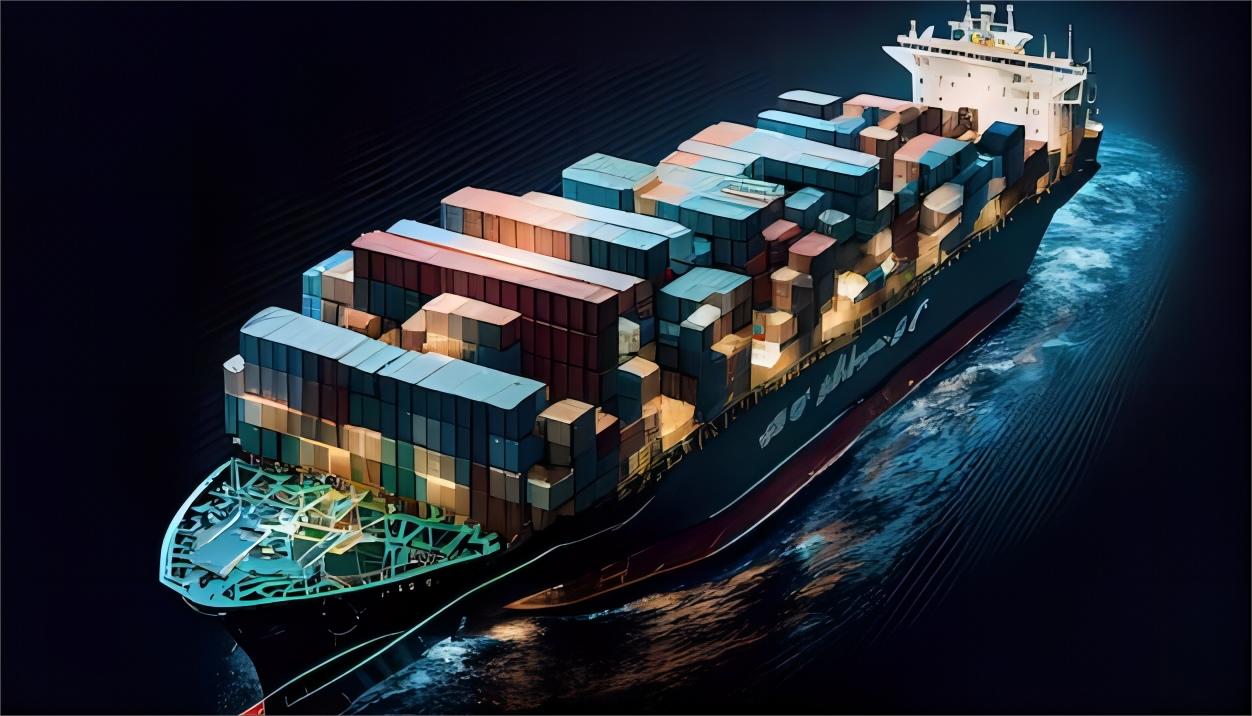
China and Far East sea freight to the UK involves transporting goods across oceans using large cargo vessels. This method remains the backbone of global trade, especially for bulk and heavy shipments. It offers unparalleled capacity and cost-effectiveness for businesses importing from Asian manufacturing hubs to the British market.
Crucially, understanding this shipping method means recognizing its role in global supply chains. It encompasses everything from loading at origin ports like Shanghai or Ningbo to final delivery in the UK, managing the entire logistical journey. Consequently, careful planning is essential for a smooth and successful import operation.
What Factors Influence China-UK Sea Freight Costs and Transit Times?
Several critical factors dictate the overall cost and duration of your China and Far East sea freight to the UK. These variables require careful consideration for effective budget and timeline management. Understanding these elements helps businesses anticipate expenses and plan their logistics more accurately.
Moreover, market conditions, fuel prices, and geopolitical events can significantly impact freight rates. Therefore, staying informed about current trends is vital for securing competitive pricing. For instance, peak seasons often see a surge in demand, leading to higher costs and longer transit times.
| Shipping Aspect | Typical Range (China to UK) | Key Influencing Factors |
|---|---|---|
| Transit Time (Ocean) | 30-38 days | Port of origin/destination, direct vs. transshipment, carrier |
| 20GP Container Cost | $2,000 – $2,800 | Market demand, fuel costs, peak season, carrier |
| 40HQ Container Cost | $3,500 – $4,500 | Market demand, fuel costs, peak season, carrier |
| LCL Cost (per CBM) | $50 – $80 | Volume, weight, consolidation efficiency, port charges |
Freight Rates and Surcharges
Freight rates are primarily influenced by cargo volume, weight, and the chosen container type (FCL or LCL). Additionally, various surcharges apply, including Bunker Adjustment Factor (BAF), Currency Adjustment Factor (CAF), and Peak Season Surcharges (PSS). These fluctuating costs necessitate regular rate checks.
According to industry benchmarks, typical sea freight rates for a 40HQ container from China to the UK currently range from $3,500 to $4,500. This figure can vary based on the specific port of loading and discharge, as well as the carrier’s capacity. Always obtain a current quote for precise pricing.
Transit Time Variables
Transit time from China and the Far East to the UK typically ranges from 30 to 38 days. This duration depends heavily on the specific origin and destination ports, the shipping line, and whether the route is direct or involves transshipment. Direct routes usually offer faster delivery, albeit sometimes at a higher cost.
Furthermore, external factors like port congestion, customs delays, and adverse weather conditions can extend transit times. Therefore, building buffer time into your delivery schedule is a prudent strategy. Effective planning minimizes disruptions to your supply chain from the Far East to the UK.
FCL vs. LCL: Which is Best for Your China-UK Shipment?
Choosing between Full Container Load (FCL) and Less than Container Load (LCL) is a pivotal decision for your sea freight from China to the UK. This choice directly impacts your shipping costs, transit time, and cargo handling. Your cargo volume and urgency are primary determinants.
Indeed, understanding the distinctions helps optimize your logistics strategy. Each option offers specific advantages tailored to different shipment sizes and business needs. Making an informed decision ensures efficiency and cost-effectiveness for your imports.
| Feature | FCL (Full Container Load) | LCL (Less than Container Load) |
|---|---|---|
| Cargo Volume | Large (15+ CBM) | Small (under 15 CBM) |
| Cost Efficiency | Lower per-unit cost for large volumes | Lower overall cost for small volumes |
| Transit Time | Faster, direct route | Slower, due to consolidation/deconsolidation |
| Cargo Security | High, sealed container | Moderate, shared container |
| Best For | High volume, time-sensitive cargo | Low volume, cost-sensitive cargo |

Full Container Load (FCL)
FCL means your goods occupy an entire container, typically 20GP, 40GP, or 40HQ. This option is ideal for larger shipments exceeding 15-20 cubic meters (CBM). FCL offers faster transit times as the container goes directly to its destination without consolidation or deconsolidation delays.
Moreover, FCL provides enhanced security because your cargo is sealed from origin to destination. Although the upfront cost per container is higher, the per-unit cost often decreases for substantial volumes. This makes FCL a very economical choice for large-scale imports from China.
Less than Container Load (LCL)
LCL involves sharing container space with other shippers’ goods. This method is perfect for smaller shipments, generally under 15 CBM, where a full container is not required. You only pay for the space your cargo occupies, making it a cost-effective solution for small businesses or sample orders.
However, LCL shipments typically have longer transit times due to the additional processes of consolidation at the origin port and deconsolidation at the destination port. Despite this, it provides an accessible entry point for businesses with lower volume requirements for `shipping containers from china to uk`.
How to Navigate Customs Clearance for China-UK Imports?
Effective customs clearance is a non-negotiable step for all China and Far East sea freight to the UK. Proper documentation and adherence to regulations prevent costly delays and penalties. Navigating this complex process successfully ensures your goods move smoothly through borders.
Furthermore, engaging a professional customs brokerage service is highly recommended. They possess the expertise to handle declarations, calculate duties and taxes, and ensure compliance with UK import laws. This specialized knowledge is crucial for `customs clearance for imports from china to uk`.
Required documents typically include a commercial invoice, packing list, bill of lading, and sometimes a certificate of origin. Additionally, specific products may require licenses or permits. Accurate and complete paperwork is paramount for avoiding `customs` hold-ups.
Beyond Port-to-Port: Comprehensive China-UK Shipping Solutions
While port-to-port shipping moves cargo across the ocean, many businesses require more comprehensive logistics solutions for their China and Far East sea freight to the UK. These services extend beyond the ocean journey, covering the entire supply chain from factory to final destination. They simplify the `managing logistics china to uk` process.
Indeed, integrating these services can significantly enhance efficiency and reduce administrative burdens. They offer end-to-end control and visibility, which is invaluable for modern global trade operations. This holistic approach ensures seamless delivery and minimized effort for importers.
Door-to-Door Service
A Door to Door service handles every aspect of your shipment, from pickup at the factory in China to delivery at your warehouse or business in the UK. This all-inclusive solution covers ocean freight, customs clearance, and inland transportation at both ends. It simplifies the shipping process immensely for importers.
This service provides convenience and peace of mind, as a single provider manages all logistical complexities. It is particularly beneficial for businesses seeking a streamlined and hassle-free import experience. The `door to door shipping china to uk` option is a popular choice for many.
Amazon FBA Logistics
For e-commerce businesses utilizing Amazon’s fulfillment network, specialized Amazon FBA logistics services are crucial. These services ensure your goods are prepared, labeled, and delivered directly to Amazon’s fulfillment centers in the UK, adhering to their strict requirements. This specialized handling prevents costly rejections.
Such services include proper carton marking, palletization, and appointment scheduling with Amazon. By managing these details, FBA logistics streamline the process for online retailers. They ensure a smooth transition from `china and far east sea freight to the uk` directly into Amazon’s distribution system.
How Does China and Far East Sea Freight to the UK Compare to Other Shipping Options?
While sea freight is often the most economical choice for `shipping containers from china to uk`, understanding its alternatives is crucial for a well-rounded `supply chain` strategy. Different methods offer varying balances of speed, cost, and capacity. Evaluating these options helps businesses make informed decisions based on their specific needs.
Comparing sea freight against air freight, rail freight, and express services reveals distinct advantages and limitations for each. Consequently, businesses can choose the optimal solution for diverse cargo types and urgency levels. This comprehensive analysis ensures efficient `logistics solutions`.
| Shipping Method | Cost Range (per kg/CBM) | Transit Time | Best For | Limitations |
|---|---|---|---|---|
| Sea Freight | $0.05 – $0.15/kg (LCL), $2000-$4500/container (FCL) | 30-38 days | Large volume, heavy, non-urgent cargo | Slow, prone to port delays |
| Air Freight | $4 – $8/kg | 5-7 days | Urgent, high-value, small volume cargo | High cost, weight/volume restrictions |
| Rail Freight | $1 – $3/kg | 18-25 days (to mainland Europe) | Mid-speed, mid-cost, landlocked areas | Limited direct UK routes, transshipment needed |
| Express Service | $8 – $15/kg | 3-5 days | Very urgent, small parcels, samples | Highest cost, strict size/weight limits |
Alternative Strategies and Hybrid Solutions
For urgent shipments, air freight offers significantly faster transit times, typically 5-7 days, but at a much higher cost. It’s ideal for high-value, low-volume, or time-critical goods. Similarly, express service provides even quicker delivery for smaller parcels, often door-to-door within 3-5 days.
Alternatively, rail freight, connecting China to Europe, presents a middle-ground option for landlocked destinations, offering a balance between speed and cost compared to sea and air. However, direct rail service to the UK typically involves transshipment from mainland Europe. Hybrid solutions like Sea-Air combine ocean shipping to a transit hub (e.g., Dubai) then air freight to the UK, balancing cost and speed.
Which Option Should You Choose?
The best shipping method depends on your priorities. If `budget priority` is paramount for `shipping heavy cargo china uk`, sea freight is the clear winner. However, for `speed priority`, air freight or express is indispensable, especially for perishable goods or urgent orders. Consider the `cost of sea freight from china to uk` versus air freight for each shipment.
Furthermore, `cargo type considerations` play a role; hazardous materials or oversized items often require specialized sea freight. `Volume thresholds` also matter; LCL for small volumes, FCL for larger, and air freight for small, high-value items. Therefore, a tailored approach is always recommended.
Real-World Scenarios: China to UK Sea Freight Case Studies
Examining real-world examples illustrates the practical application of `china and far east sea freight to the uk` solutions. These case studies highlight how different businesses navigate the complexities of international shipping, making optimal choices based on their unique cargo and `logistics challenges`. They offer valuable insights into `supply chain solutions china uk`.
These scenarios demonstrate the importance of strategic planning and adaptable shipping strategies. They showcase typical `freight rates china to uk` and `transit time china to uk by sea` for various goods, offering a clearer picture for potential importers. Understanding these examples can help inform your own import decisions.
Case Study 1: FCL for a Retail Chain’s Seasonal Goods
A UK retail chain needed to import a large volume of seasonal clothing from Shenzhen, China, to Felixstowe, UK, for their autumn collection. Speed was important, but cost-effectiveness for the `shipping containers from china to uk` was paramount due to the large volume.
| Detail | Value |
|---|---|
| Route | Shenzhen, China -> Felixstowe, UK |
| Cargo | Fashion Apparel, 65 CBM, 15,000 kg |
| Container | 2 x 40HQ |
| Shipping Details | Carrier: MSC, Port of Loading: Yantian, Port of Discharge: Felixstowe, Route Type: Direct |
| Cost Breakdown (Total Landed) | Ocean Freight: $8,000 (Based on Q3 2024 rates), Origin Charges: $950, Destination Charges: $1,200, Customs & Duties (estimated): $5,500, Total Landed Cost: $15,650 |
| Timeline (Total Door-to-Door) | Booking to Loading: 5 days, Sea Transit: 32 days, Customs Clearance: 3 days, Total Door-to-Door: 40 days |
| Key Insight | FCL provided optimal cost per unit for high volume, crucial for competitive retail pricing. Careful scheduling avoided peak season surcharges. |
Case Study 2: LCL for a Small E-commerce Business
A small UK e-commerce business importing consumer electronics accessories from Ningbo, China, required `LCL shipping china to uk` due to lower volume. Their main concern was managing `cost of sea freight from china to uk` while ensuring reliable delivery to their warehouse in Manchester.
| Detail | Value |
|---|---|
| Route | Ningbo, China -> Southampton, UK |
| Cargo | Consumer Electronics Accessories, 8 CBM, 1,200 kg |
| Container | LCL 8 CBM |
| Shipping Details | Carrier: Major consolidator, Port of Loading: Ningbo, Port of Discharge: Southampton, Route Type: Transshipment via Singapore |
| Cost Breakdown (Total Landed) | Ocean Freight: $560 (Based on typical early 2025 rates), Origin Charges: $180, Destination Charges: $250, Customs & Duties (estimated): $700, Total Landed Cost: $1,690 |
| Timeline (Total Door-to-Door) | Booking to Loading: 7 days, Sea Transit: 35 days, Customs Clearance: 4 days, Total Door-to-Door: 46 days |
| Key Insight | LCL was the most economical choice for their volume. The longer transit time was acceptable given the cost savings and inventory planning. |
Case Study 3: Time-Sensitive Industrial Components
A UK manufacturing firm needed specialized industrial components from Qingdao, China, with a tight deadline for a production line. While `FCL shipping china to uk` was considered, the urgency prompted a hybrid solution to reduce `transit time china to uk by sea`.
| Detail | Value |
|---|---|
| Route | Qingdao, China -> London, UK |
| Cargo | Precision Industrial Components, 15 CBM, 3,000 kg |
| Container | 20GP FCL |
| Shipping Details | Carrier: COSCO, Port of Loading: Qingdao, Port of Discharge: Felixstowe, Route Type: Direct (Premium Service) |
| Cost Breakdown (Total Landed) | Ocean Freight: $2,800 (Premium service Q4 2024), Origin Charges: $450, Destination Charges: $600, Customs & Duties (estimated): $2,000, Total Landed Cost: $5,850 |
| Timeline (Total Door-to-Door) | Booking to Loading: 4 days, Sea Transit: 30 days, Customs Clearance: 2 days, Total Door-to-Door: 36 days |
| Key Insight | Opting for a premium direct FCL service reduced transit time significantly. The slightly higher `freight rates china to uk` were justified by production schedule requirements. |

Partnering for Success: Selecting Your China-UK Freight Forwarder
Choosing a `best freight forwarder china to uk` is paramount for the success of your `china and far east sea freight to the uk` operations. A reliable partner offers more than just transportation; they provide expertise, network, and peace of mind. Their guidance is invaluable in navigating complex international logistics.
Indeed, look for a forwarder with extensive experience on the China-UK route, a strong global network, and transparent communication. They should offer comprehensive services, including customs support and cargo insurance. A good partner ensures your `supply chain` remains robust and efficient, helping you manage `logistics trends` effectively.
Market Trends and Future Outlook for China-UK Sea Freight
The landscape of `china and far east sea freight to the uk` is constantly evolving, influenced by global economic shifts and geopolitical events. As of Q1 2025, freight rates have largely stabilized after the disruptions caused by the 2024 Red Sea tensions. However, vigilance regarding new challenges remains crucial for `shipping costs`.
Furthermore, `industry benchmarks` suggest a continued focus on digitalization and sustainability within the shipping sector. Seasonal patterns, such as pre-Chinese New Year surges and Q3 peak season demand, will continue to impact `delivery schedule` and `freight rates`. Proactive planning is key to mitigating these influences on your `import/export` operations.
Conclusion
In conclusion, successful management of China and Far East sea freight to the UK hinges on understanding its multifaceted components. From selecting the right container type to navigating customs and choosing an expert freight partner, every decision impacts your bottom line and delivery schedule. By leveraging strategic planning and professional guidance, businesses can achieve efficient and cost-effective shipping for their <a href=”https://chinatopfreight.com/services/sea-freight/”>sea freight</a> needs, ensuring a robust supply chain from the Far East to the UK.
Note: Freight rates are subject to change based on fuel costs, carrier capacity, and seasonal demand. Contact us for a current quote tailored to your specific shipment.
Need a tailored shipping solution?
Ready to streamline your imports from China and the Far East to the UK? Navigating the complexities of sea freight demands expertise and reliable partnership. Contact us today to receive a personalized quote and discuss how our tailored solutions can optimize your supply chain.