

China Container Freight Rates: Your Ultimate Guide
Navigating China container freight rates can be a complex challenge for businesses worldwide. Understanding the intricate dynamics of shipping costs from China is crucial for optimizing your supply chain and maintaining competitive pricing. This comprehensive guide, brought to you by China Top Freight, aims to demystify these rates, offering clarity and actionable insights to help you make informed decisions.
What Influences China Container Freight Rates?
Numerous factors significantly impact China container freight rates, making them highly volatile. Firstly, supply and demand dynamics play a pivotal role, with peak seasons like pre-Chinese New Year or Q4 holiday rushes driving prices upward.
Moreover, global economic conditions and geopolitical events, such as the Red Sea disruptions, can cause sudden spikes or dips in shipping costs. Furthermore, fuel prices (Bunker Adjustment Factor or BAF) and currency exchange rates directly affect the final cost of ocean freight.
Additionally, carrier capacity, port congestion, and equipment availability also contribute to price fluctuations. Consequently, the specific route, cargo type, and container size (e.g., 20GP, 40HQ) inherently influence the overall cost. Understanding these elements is key to effective budget planning for import from China.
Container Types and Their Impact on Your Shipping Budget
The choice of container significantly influences your shipping costs from China. Standard dry containers (20GP, 40GP, 40HQ) are the most common, each offering different capacities for various cargo types.
A 20-foot general purpose container (20GP) holds approximately 33 CBM, suitable for smaller, denser bulk shipments. Conversely, a 40-foot general purpose container (40GP) offers about 67 CBM, while a 40-foot high cube (40HQ) provides even more vertical space at around 76 CBM.
Furthermore, LCL (Less than Container Load) shipping is an alternative for smaller volumes, where your cargo shares space with others in a container. Therefore, selecting the appropriate container size based on your cargo volume is a critical decision for optimizing your freight rates.
| Container Type | Dimensions (L x W x H) | Capacity (CBM) | Max Weight (kg) | Best For |
|---|---|---|---|---|
| 20GP Standard | 5.9m x 2.35m x 2.39m | 33 CBM | 28,000 kg | Smaller, dense cargo |
| 40GP Standard | 12.03m x 2.35m x 2.39m | 67 CBM | 28,000 kg | Larger, general cargo |
| 40HQ High Cube | 12.03m x 2.35m x 2.69m | 76 CBM | 28,000 kg | Bulky, lightweight cargo |
| LCL (per CBM) | Varies | 1-15 CBM | Varies | Small shipments, flexible |
How Does Ocean Freight Compare to Other Shipping Options?
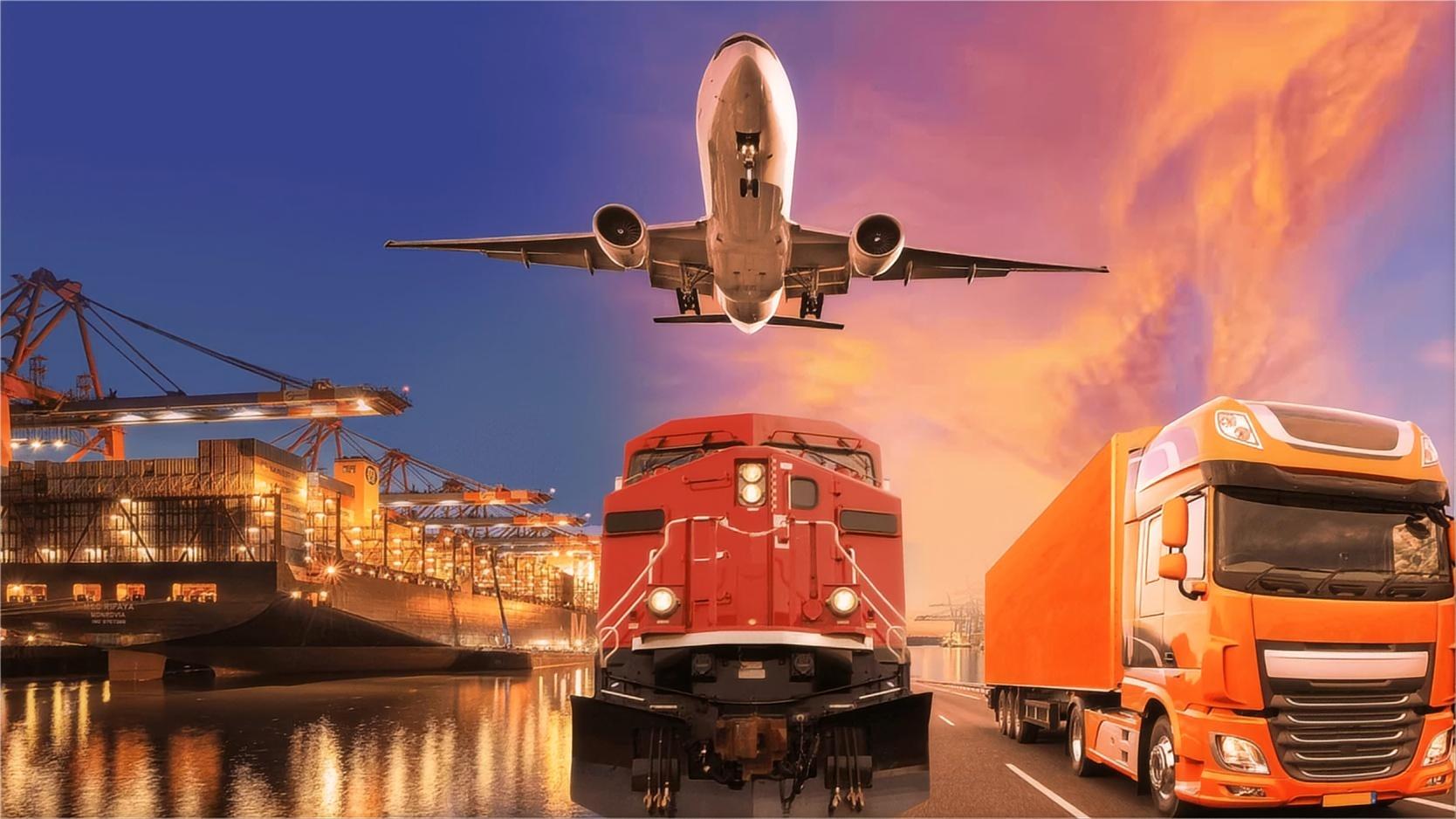
Comparing different shipping methods from China is essential for making informed logistics decisions. While ocean freight remains the most cost-effective for large volumes, other options offer distinct advantages in speed and flexibility.
For instance, air freight provides unparalleled speed, ideal for urgent or high-value goods, despite its significantly higher cost. In contrast, rail freight offers a balance between cost and speed for shipments between China and Europe, being faster than sea and cheaper than air.
Moreover, express service caters to small, time-sensitive parcels with door-to-door convenience. Each method serves specific supply chain needs, influencing overall delivery schedule and budget.
| Shipping Method | Cost Range (per kg) | Transit Time (China-Europe) | Best For | Limitations |
|---|---|---|---|---|
| Sea Freight (FCL) | $0.05 – $0.15 | 28-35 days | Large volumes, heavy goods | Slow, port congestion risk |
| Sea Freight (LCL) | $0.10 – $0.30 | 30-40 days | Smaller volumes, non-urgent | Slower than FCL, handling fees |
| Air Freight | $4.00 – $8.00 | 3-7 days | Urgent, high-value, perishable | Very high cost, volume limits |
| Rail Freight | $0.50 – $1.50 | 18-22 days | Mid-size, time-sensitive (China-Europe) | Limited routes, less frequent |
Optimizing Your China Container Freight Rates: Smart Strategies
Implementing strategic approaches can significantly reduce your China container freight rates. Firstly, plan your shipments well in advance to avoid peak season surcharges and secure better rates.
Consolidating multiple smaller orders into a single FCL shipment via Amazon FBA services can also lead to substantial savings compared to multiple LCL shipments. Additionally, consider flexible delivery schedules, as opting for slightly longer transit times often translates to lower costs for non-urgent inventory.
Furthermore, leveraging a reliable freight forwarder like door-to-door service providers can help negotiate better rates and manage complex logistics efficiently. Indeed, they possess market insights and carrier relationships that individual shippers often lack, proving invaluable for cost-effective shipping.
Essential Customs and Documentation for Smooth Shipments
Proper customs brokerage and documentation are paramount to avoiding costly delays and penalties when shipping from China. Incorrect paperwork can significantly impact your delivery schedule and add unexpected expenses.
Key documents typically include the commercial invoice, packing list, bill of lading (for sea freight) or air waybill (for air freight), and a certificate of origin. Moreover, depending on the cargo type and destination country, additional licenses or permits might be required.
Engaging expert customs brokerage services ensures compliance with all import/export regulations. This proactive approach minimizes risks and helps maintain predictable China container freight rates.
Real-World Scenarios: Successfully Managing China Container Freight Rates
Case Study 1: E-commerce Retailer Optimizes US West Coast Shipping
This case highlights efficient FCL shipping for an e-commerce client. The goal was to balance cost and speed for regular inventory replenishment to a US warehouse. By leveraging direct routes, the client avoided transshipment delays, ensuring consistent stock levels.
| Key Detail | Description |
|---|---|
| Route | Shanghai, China -> Los Angeles, USA |
| Cargo | Apparel & small electronics, 60 CBM, 8,500 kg |
| Container | 40HQ |
| Shipping Details | |
| – Carrier/Service | Major carrier (e.g., COSCO) |
| – Port of Loading | Shanghai |
| – Port of Discharge | Los Angeles |
| – Route Type | Direct service |
| Cost Breakdown (Based on Q4 2024 rates) | |
| – Ocean Freight | $3,500 |
| – Origin Charges (THC, documentation) | $450 |
| – Destination Charges | $300 |
| – Customs & Duties (estimated) | $800 |
| – Total Landed Cost | $5,050 |
| Timeline | |
| – Booking to Loading | 5 days |
| – Sea Transit | 16 days |
| – Customs Clearance | 2 days |
| – Total Door-to-Door | 23 days |
| Key Insight | Proactive booking during peak season secured competitive rates and maintained a smooth supply chain. |
Case Study 2: Industrial Parts Shipment to Europe via Rotterdam
For an industrial client needing to ship heavy machinery parts, reliability and cost-effectiveness were paramount. Using a major carrier for a 20GP container ensured secure transport to a key European hub. This shipment demonstrates typical rates as of early 2025.
| Key Detail | Description |
|---|---|
| Route | Ningbo, China -> Rotterdam, Netherlands |
| Cargo | Machine components, 25 CBM, 20,000 kg |
| Container | 20GP |
| Shipping Details | |
| – Carrier/Service | Major carrier (e.g., Maersk) |
| – Port of Loading | Ningbo |
| – Port of Discharge | Rotterdam |
| – Route Type | Transshipment via Singapore |
| Cost Breakdown (Typical rates as of early 2025) | |
| – Ocean Freight | $2,200 |
| – Origin Charges (THC, documentation) | $380 |
| – Destination Charges | $280 |
| – Customs & Duties (estimated) | $750 |
| – Total Landed Cost | $3,610 |
| Timeline | |
| – Booking to Loading | 7 days |
| – Sea Transit | 32 days |
| – Customs Clearance | 3 days |
| – Total Door-to-Door | 45 days |
| Key Insight | Opting for a transshipment route offered cost savings, accepting a slightly longer transit time. |
Case Study 3: LCL Solution for a Small Business to Australia
A small business required a cost-effective solution for a modest volume of promotional materials. LCL shipping proved ideal, allowing them to import without the expense of a full container. This exemplifies how LCL can manage smaller imports efficiently.
| Key Detail | Description |
|---|---|
| Route | Shenzhen, China -> Sydney, Australia |
| Cargo | Promotional goods, 6 CBM, 1,200 kg |
| Container | LCL (6 CBM) |
| Shipping Details | |
| – Carrier/Service | Consolidated LCL service |
| – Port of Loading | Shenzhen |
| – Port of Discharge | Sydney |
| – Route Type | Direct LCL consolidation |
| Cost Breakdown (Based on Q3 2024 market rates) | |
| – Ocean Freight (per CBM) | $120 ($720 total) |
| – Origin Charges | $250 |
| – Destination Charges | $180 |
| – Customs & Duties (estimated) | $200 |
| – Total Landed Cost | $1,350 |
| Timeline | |
| – Booking to Loading | 6 days |
| – Sea Transit | 15 days |
| – Customs Clearance | 2 days |
| – Total Door-to-Door | 28 days |
| Key Insight | LCL was the most economical choice for this smaller volume, ensuring cost-effective shipping. |
Disclaimer
Note: Freight rates are subject to change based on fuel costs, carrier capacity, and seasonal demand. Contact us for a current quote tailored to your specific shipment.
Which Option Should You Choose? A Decision Framework
Choosing the right shipping method from China depends heavily on your specific business priorities. Budget priority dictates opting for sea freight, particularly LCL for smaller shipments or FCL for larger, non-urgent cargo, as it offers the lowest per-unit cost.
Speed priority, conversely, makes air freight the clear winner for urgent deliveries or high-value items where transit time is critical. For a balanced approach between speed and cost for China-Europe routes, rail freight presents an excellent hybrid solution.
Furthermore, cargo type also matters; hazardous materials or very large items often have specific transport requirements. Volume thresholds are another key consideration; for instance, if your cargo exceeds 15 CBM but isn’t enough for a full container, a dedicated LCL consolidation might be more economical. Always analyze your inventory turnover, product value, and customer expectations to align with the most suitable shipping strategy.
Market Context and Future Trends in China Container Freight Rates
As of early 2025, China container freight rates have shown some stabilization after the volatility of recent years, including the Red Sea disruptions. However, market data suggests ongoing challenges related to port congestion and equipment imbalances in key regions.
Industry benchmarks indicate that carriers are managing capacity more dynamically. Seasonal patterns continue to exert influence, with rates typically increasing by 15-25% during the August-October peak season.
Moreover, new environmental regulations and geopolitical shifts could introduce further fluctuations. Consequently, staying informed about these logistics trends is crucial for forecasting and budgeting your import/export operations effectively.
Mastering Your China Container Freight Rates
Effectively managing China container freight rates is fundamental to successful international trade. By understanding the influencing factors, comparing shipping methods, and implementing smart cost-saving strategies, businesses can significantly optimize their logistics operations.
A proactive approach, combined with expert partnership, ensures predictable costs and timely deliveries. Ultimately, staying informed and adaptable is key to navigating the dynamic world of global shipping.
Need a tailored shipping solution?
Ready to optimize your China container freight rates and streamline your supply chain? Contact China Top Freight today for a personalized consultation and a competitive quote tailored to your unique shipping needs. Let our experts help you navigate the complexities of international logistics with confidence.