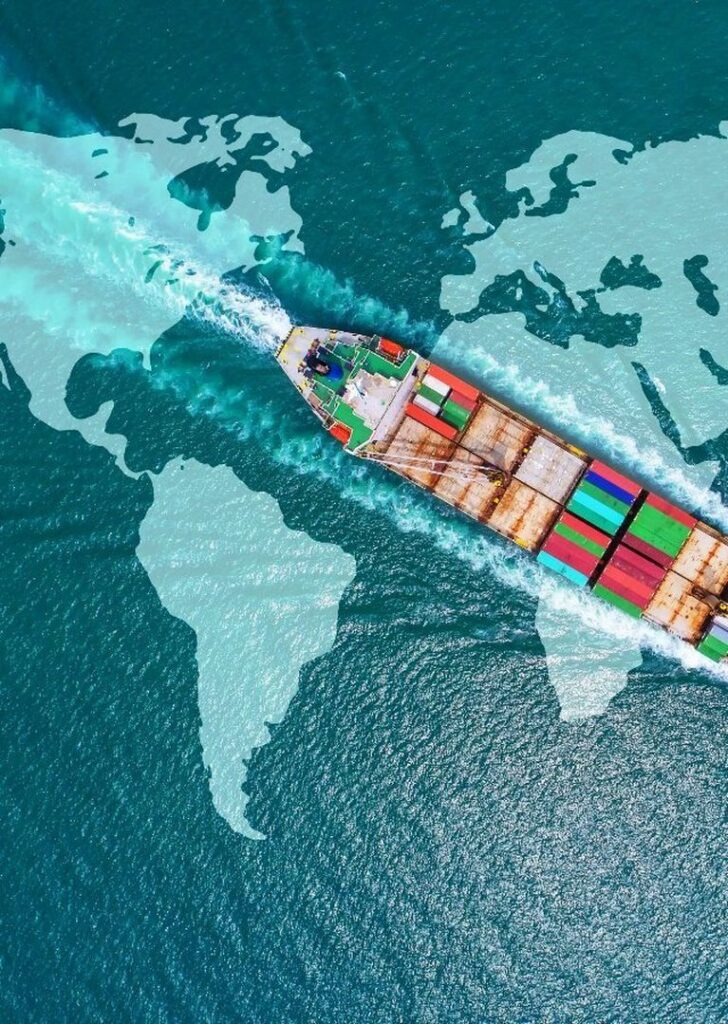
With China handling over 30% of global container trade, most importers worldwide rely on China container shipping to move their goods. Whether you need a 20ft, 40ft, or specialized reefer container, knowing the real costs, transit times, and booking process helps you avoid delays and overspending. This guide explains container types, current rates, and how to book containers from China effectively.
Why Containers Are the Backbone of China’s Export Industry
China is the largest exporter in the world, and container shipping is the lifeline of its global trade. From electronics to textiles, most products leave China in standardized containers, making logistics efficient and cost-effective. Therefore, understanding container shipping is essential for every importer.
What Is a China Container Shipment?
A China container shipment is cargo transported inside a shipping container. Two main options are:
FCL (Full Container Load): You book the entire 20ft or 40ft container, ideal for bulk cargo.
LCL (Less than Container Load): Cargo from multiple shippers is consolidated into one container. Best for smaller shipments but slightly slower.
Air freight is much faster but significantly costlier, while container shipping offers the best rates for large cargo.
How to Book a Container from China
Step 1: Decide between FCL or LCL.
Step 2: Provide shipment details (weight, CBM, HS code).
Step 3: Select port of loading (Shanghai, Ningbo, Shenzhen).
Step 4: Choose destination port.
Step 5: Sign booking confirmation and prepare documents.
Step 6: Container is loaded, sealed, and shipped.
Required documents: commercial invoice, packing list, bill of lading, customs paperwork.
Challenges in China Container Shipping
Port congestion at Shanghai, Ningbo, Shenzhen.
Container shortages during peak seasons.
Rising freight rates due to fuel and global demand.
Customs delays if documents are incomplete.
How Freight Forwarders Help With Container Shipping
A China freight forwarder can:
Negotiate better container rates.
Consolidate cargo for LCL shipping.
Handle customs clearance.
Track and update container status.
Arrange door-to-door delivery.
Real Case Study – Reducing Costs with LCL Consolidation
A small UK importer of electronics shipped 10 CBM monthly. Instead of paying for a 20ft container, they used LCL consolidation with a China freight forwarder. This reduced shipping costs by 40% while maintaining regular supply.
Final Thoughts
China container shipping remains the most cost-effective way to move bulk cargo worldwide. With choices between 20ft, 40ft, and specialized containers, businesses can tailor solutions to their needs. Partnering with a skilled freight forwarder ensures lower rates, fewer risks, and smoother customs clearance.