China Containerized Freight Index: Rates, Trends & Outlook
The China Containerized Freight Index (CCFI) serves as a vital barometer for global shipping. This crucial index provides comprehensive insights into the evolving landscape of container shipping rates from China. Consequently, businesses worldwide closely monitor the CCFI to make informed decisions regarding their international trade and logistics strategies. For a deeper understanding of these market dynamics and professional support, visit China Top Freight.

What is the China Containerized Freight Index (CCFI)?
The China Containerized Freight Index (CCFI) is a weighted average of freight rates and surcharges for container shipping from major Chinese ports to 12 global regions. Specifically, it reflects the all-in market rates, encompassing ocean freight, bunker surcharges, and other terminal handling charges. This index offers a transparent view of the costs associated with exporting goods from China, impacting global trade significantly.
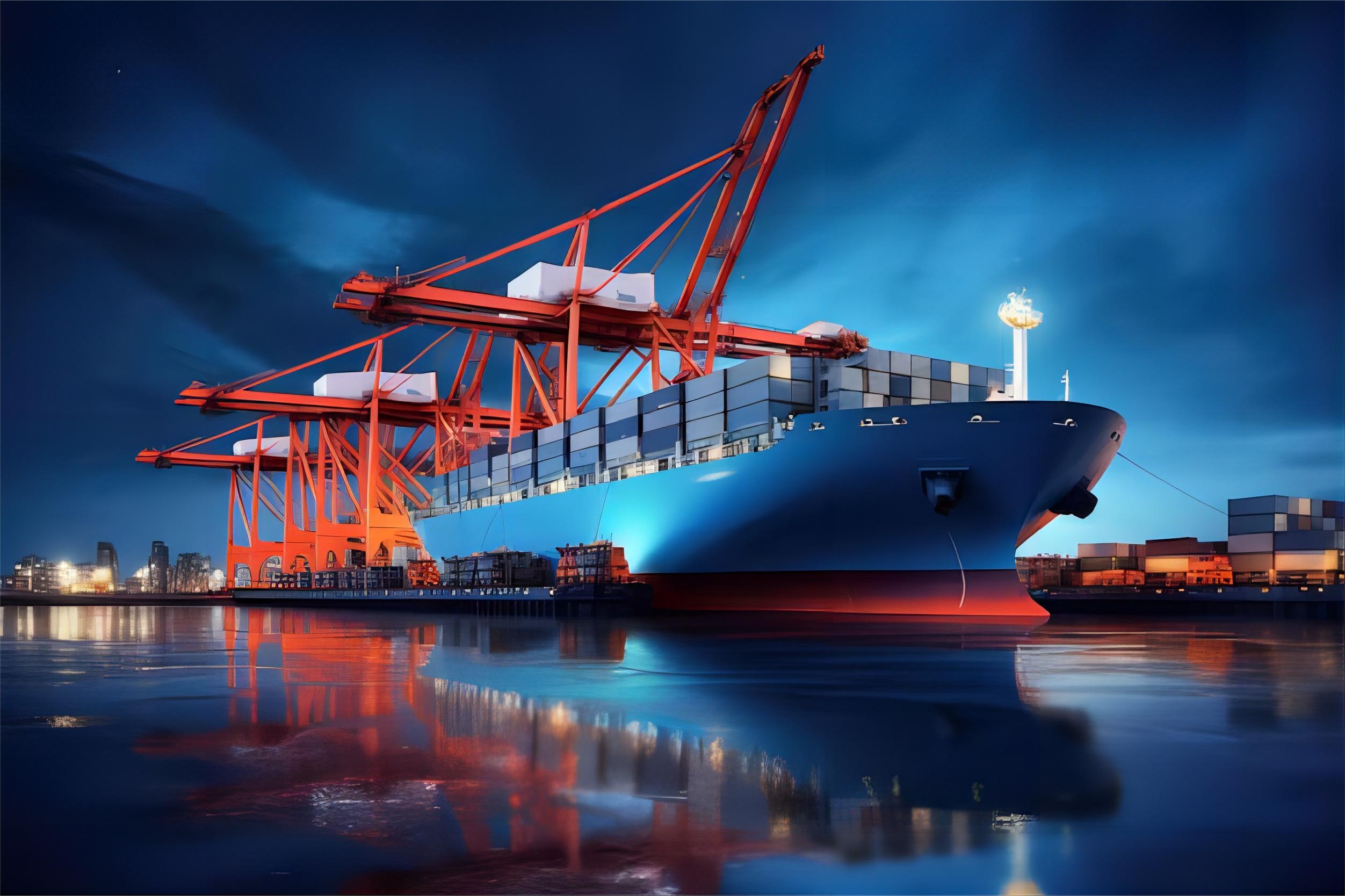
Published weekly by the Shanghai Shipping Exchange, the CCFI is an essential tool for shippers, carriers, and freight forwarders. It helps them gauge market conditions and predict future trends in container shipping rates from China. Understanding how to read CCFI data is therefore crucial for effective logistics planning and budgeting.
| Region | Weighting (%) | Key Trade Lanes |
|---|---|---|
| Europe/Mediterranean | 20-25% | Shanghai to Rotterdam, Genoa |
| North America | 25-30% | Shenzhen to Los Angeles, New York |
| Southeast Asia | 10-15% | Ningbo to Singapore, Bangkok |
| Australia/New Zealand | 5-10% | Qingdao to Sydney, Auckland |
How Does the CCFI Impact Your Shipping Costs?
The impact of CCFI on shipping costs is direct and substantial for businesses importing from China. When the CCFI rises, it indicates an increase in overall container freight rates, leading to higher transportation expenses for importers. Conversely, a declining CCFI often signals lower shipping costs, which can improve profit margins for businesses.
Moreover, the CCFI helps in understanding the underlying factors driving freight rate changes. For instance, increased demand for goods from China, port congestion, or fuel price fluctuations can all push the index upwards. Therefore, monitoring the CCFI allows companies to anticipate cost changes and adjust their procurement and sales strategies accordingly, optimizing China import logistics.
Key Factors Influencing the China Containerized Freight Index
Several critical factors continuously influence the China Containerized Freight Index, leading to its weekly fluctuations. Firstly, global demand for manufactured goods from China plays a significant role; higher demand typically translates to increased freight volumes and, consequently, higher rates. This directly impacts container shipping rates from China.
Secondly, container capacity and vessel availability are paramount. Shortages in either can drive rates up, especially during peak seasons or unforeseen global supply chain disruptions. Furthermore, bunker fuel prices, port congestion at major hubs, and geopolitical events also exert considerable pressure on the CCFI. Lastly, regulatory changes and carrier alliances can also subtly shift market dynamics, affecting predicting ocean freight prices.
Navigating Freight Rate Volatility: Strategies for Importers
Given the inherent volatility of the China Containerized Freight Index, importers must adopt proactive strategies to mitigate risks and manage shipping costs effectively. Firstly, consider long-term contracts with carriers or freight forwarders to lock in rates, thereby providing greater cost predictability. This approach can buffer against sudden rate spikes.
Secondly, diversifying your shipping methods can offer flexibility. For instance, while sea freight is often the most economical for bulk goods, faster options like air freight might be suitable for urgent or high-value shipments. Moreover, exploring different ports of loading in China can sometimes yield better rates or avoid congested areas. Understanding container capacity and market trends is vital for making these choices.
| Strategy | Benefit | Consideration |
|---|---|---|
| Long-term Contracts | Rate stability, budget predictability | Less flexibility, minimum volume commitments |
| Diversify Modes | Speed vs. cost balance, risk mitigation | Higher cost for faster options |
| Flexible Sourcing | Access to better rates/capacity | More complex supplier management |
| Early Booking | Secure space, potentially lower rates | Requires accurate forecasting |
Real-World Impact: Case Studies in Containerized Freight
Examining real-world scenarios helps illustrate the practical implications of the China Containerized Freight Index and effective logistics management. These case studies highlight how businesses navigate fluctuating rates, choose optimal shipping methods, and manage their supply chains from China. They offer insights into various challenges and successful strategies.
These examples also underscore the importance of expert freight forwarder China expertise. Relying on experienced partners can make a significant difference in managing costs and timelines, especially when dealing with complex international shipping market analysis and logistics trends. Optimal solutions often involve a blend of services.
Case Study 1: Seasonal Peak for E-commerce Goods
This case involved an e-commerce retailer preparing for the Q4 holiday season, necessitating timely and cost-effective delivery of consumer electronics. The client opted for a combination of methods to balance speed and budget. Based on Q3 2024 market rates, careful planning was paramount.
| Detail | Description |
|---|---|
| Route | Shenzhen, China to Los Angeles, USA |
| Cargo | Consumer Electronics, 28 CBM, 12,000 kg |
| Container | 40HQ |
| Shipping Details | Carrier: COSCO, Port of Loading: Shenzhen, Port of Discharge: Long Beach, Route Type: Direct |
| Cost Breakdown | Ocean Freight: $3,500, Origin Charges: $450, Destination Charges: $600, Customs & Duties (estimated): $1,200, Total Landed Cost: $5,750 |
| Timeline | Booking to Loading: 7 days, Sea Transit: 14 days, Customs Clearance: 3 days, Total Door-to-Door: 24 days |
| Key Insight | Early booking during Q3 peak season helped secure competitive rates and avoid significant Q4 surcharges, demonstrating proactive planning pays off. Utilizing Amazon FBA services further streamlined delivery. |

Case Study 2: Industrial Components for Manufacturing
A manufacturing company needed to import heavy industrial components with a consistent, reliable schedule rather than extreme speed. Cost-effectiveness and predictable delivery schedule were the primary concerns. Typical rates as of early 2025 were considered for this shipment.
| Detail | Description |
|---|---|
| Route | Shanghai, China to Hamburg, Germany |
| Cargo | Heavy Machinery Parts, 18 CBM, 25,000 kg |
| Container | 20GP |
| Shipping Details | Carrier: Maersk, Port of Loading: Shanghai, Port of Discharge: Hamburg, Route Type: Direct |
| Cost Breakdown | Ocean Freight: $2,200, Origin Charges: $380, Destination Charges: $550, Customs & Duties (estimated): $900, Total Landed Cost: $4,030 |
| Timeline | Booking to Loading: 10 days, Sea Transit: 30 days, Customs Clearance: 4 days, Total Door-to-Door: 45 days |
| Key Insight | Choosing a reliable carrier on a direct route minimized transshipment risks and offered stable rates, crucial for consistent production schedules. Effective customs brokerage ensured smooth clearance. |
How Does Containerized Freight Compare to Other Shipping Options?
Containerized freight, primarily via ocean vessels, remains the backbone of global trade due to its cost-efficiency for large volumes. However, businesses often evaluate it against other shipping methods based on specific needs like speed, cargo type, and budget. Understanding these comparisons is key to optimizing your supply chain and managing shipping risks from China.
Different scenarios call for different solutions. For instance, while ocean freight is ideal for bulk, time-sensitive goods might necessitate air cargo. Hybrid solutions, moreover, combine the benefits of multiple modes to achieve a balance of speed and cost. This strategic approach ensures the most cost-effective container solutions for your business.
| Shipping Method | Cost Range (40HQ China-Europe) | Transit Time | Best For | Limitations |
|---|---|---|---|---|
| Sea Freight (FCL) | $3,000-4,200 | 28-35 days | Large volumes, heavy goods, cost-effectiveness | Slow transit, port congestion risks |
| Sea Freight (LCL) | $50-80/CBM | 35-45 days | Smaller volumes (under 15 CBM), flexible | Longer transit, potential for damage, complex pricing |
| Air Freight | $15,000-25,000 | 5-7 days | Urgent, high-value, perishable goods | High cost, weight/volume restrictions |
| Rail Freight | $8,000-12,000 | 18-25 days | Europe-bound, balanced speed/cost, certain cargo | Limited routes, capacity constraints, not global |
Which Option Should You Choose?
Your decision for shipping from China hinges on several factors. If budget is your top priority, especially for large, non-urgent shipments, sea freight is typically the most economical option. Conversely, if speed is paramount for high-value or time-critical goods, air freight is the clear choice.
Cargo type also plays a role; oversized or hazardous materials often have specific handling requirements that dictate the method. Furthermore, volume thresholds are crucial: for shipments under 15 CBM, LCL (Less than Container Load) can be more economical than a full container (FCL), but for larger volumes, FCL offers better per-unit costs. Consider a door-to-door service for seamless logistics.
Future Outlook and Market Trends for China Freight Rates
The future of China freight rates and the China Containerized Freight Index remains subject to various global economic and logistical factors. As of Q1 2025, freight rates from China to Europe have largely stabilized following the significant Red Sea disruptions of 2024, yet underlying volatility persists. Industry benchmarks suggest a cautious optimism for rate stability.
However, seasonal patterns consistently influence pricing. Rates typically increase 15-25% during the August-October peak season leading up to Western holidays, and again before Chinese New Year. Furthermore, ongoing investments in port infrastructure and carrier fleet expansion might help alleviate capacity pressures in the long term, impacting the future of China freight rates.
Mastering the China Containerized Freight Index for Global Trade Success
Ultimately, the China Containerized Freight Index is an indispensable tool for anyone involved in international trade with China. It provides critical transparency into market rates, enabling businesses to forecast costs and strategize more effectively. By understanding its movements and the factors influencing it, importers can better navigate the complexities of global logistics.
Moreover, leveraging expert insights and flexible shipping solutions is paramount. Proactive planning, diversification of shipping methods, and strong partnerships with experienced freight forwarders are key to managing freight rate volatility. This comprehensive approach ensures that your supply chain remains resilient and cost-efficient, regardless of market shifts in the china containerized freight index.
Start Your Shipment
Ready to optimize your shipping strategy from China? Our expert team at China Top Freight is here to provide tailored solutions. Contact us today for a personalized quote and discover how we can streamline your logistics and manage your china containerized freight index challenges.
Request Quote