

- By kelly
- September 11, 2025
- Tips or Guide
China Containers: Complete 2025 Guide for Global Importers
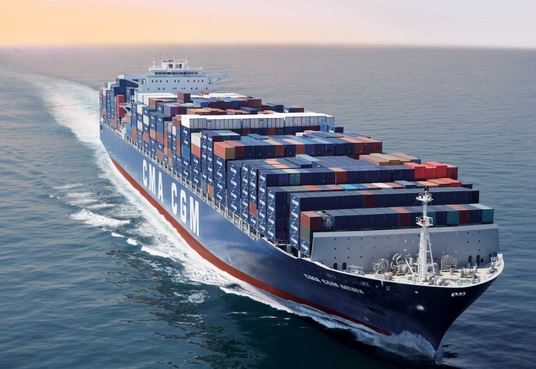
As the world’s largest exporter, China dominates global logistics. Businesses looking for efficient trade routes often rely on China containers to move goods across oceans. However, understanding container types, costs, transit times, and customs rules is essential to optimize shipping and reduce delays. This guide explains everything you need to know about containerized shipping from China.
1. What Are China Containers and Why Are They Important?
Containerized shipping revolutionized trade by standardizing cargo handling. China containers refer to shipping containers exported from or used in China for international trade.
Key Benefits:
- Uniform sizes ensure global compatibility.
- Cost efficiency for bulk transport.
- Security against theft and damage.
- Flexibility for sea, rail, and intermodal transport.
2. What Types of Containers Are Available from China?
| Container Type | Dimensions | Capacity | Best For |
|---|---|---|---|
| 20FT Standard | 20’ x 8’ x 8.6’ | ~28 CBM | Small bulk shipments |
| 40FT Standard | 40’ x 8’ x 8.6’ | ~58 CBM | Medium to large cargo |
| 40FT High Cube | 40’ x 8’ x 9.6’ | ~68 CBM | Voluminous cargo |
| Reefer Container | 20FT/40FT | Temp-controlled | Perishables |
| Open Top | 20FT/40FT | Oversized goods | Machinery, vehicles |
| Flat Rack | 20FT/40FT | Heavy/odd-size | Industrial equipment |
Therefore, selecting the right container type ensures both safety and cost efficiency.
3. How Much Do China Containers Cost?
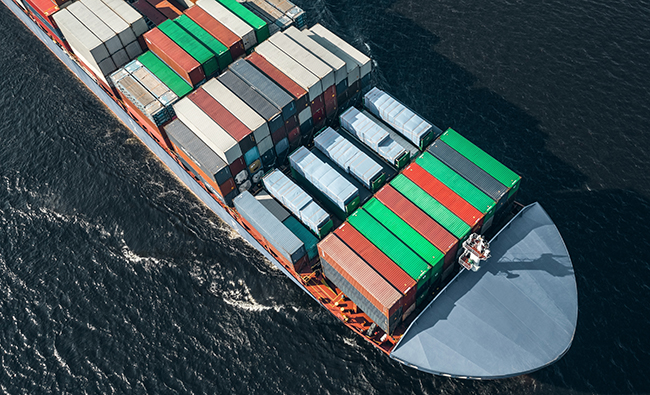
Prices fluctuate based on demand, trade imbalance, and season.
| Container Type | Average Price (New) | Average Price (Used) |
|---|---|---|
| 20FT Standard | $2,000–$2,800 | $1,200–$1,800 |
| 40FT Standard | $3,200–$3,800 | $1,800–$2,500 |
| 40FT High Cube | $3,500–$4,200 | $2,000–$2,800 |
Moreover, leasing options are available for businesses not needing permanent ownership.
4. How Long Does Shipping China Containers Take?
| Route | Mode | Transit Time |
|---|---|---|
| Shanghai – Los Angeles | Sea Freight | 15–20 days |
| Shenzhen – Sydney | Sea Freight | 20–25 days |
| Ningbo – Rotterdam | Sea Freight | 30–35 days |
| Guangzhou – Dubai | Sea Freight | 15–18 days |
| Rail (China – Europe) | Rail Freight | 18–25 days |
| Air Freight (any major hub) | Air | 5–10 days |
Therefore, delivery schedules vary depending on distance, mode, and customs.
5. How to Choose Between FCL and LCL for China Containers?
| Factor | FCL (Full Container Load) | LCL (Less than Container Load) |
|---|---|---|
| Cost Efficiency | Cheaper per unit | Flexible for small volumes |
| Security | Exclusive container | Shared with others |
| Transit Time | Faster | Slower due to consolidation |
| Best For | Bulk shipments | Small to medium cargo |
Importers with enough volume should choose FCL to reduce per-unit cost.
6. How Do Customs Regulations Impact China Containers?
Every shipment must comply with destination country’s import rules.
| Document | Purpose |
|---|---|
| Commercial Invoice | Declares value |
| Packing List | Item details |
| Bill of Lading | Proof of shipment |
| Import Declaration | Customs requirement |
| Certificate of Origin | Determines duty rates |
| HS Code | Classification |
Therefore, accuracy is crucial to avoid costly delays or penalties.
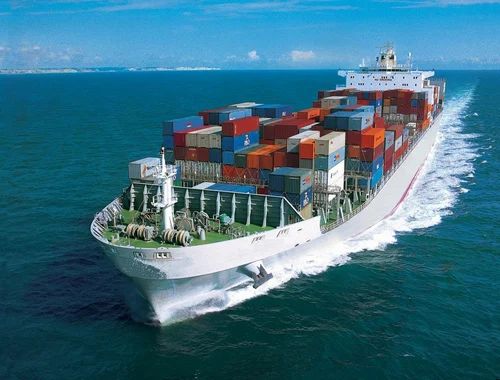
7. What Are the Pros and Cons of Different Transport Modes for Containers?
| Mode | Pros | Cons |
|---|---|---|
| Sea Freight | Cheapest, large volume | Long transit, port delays |
| Rail Freight | Faster than sea, eco-friendly | Limited routes |
| Air Freight | Very fast, reliable | High cost |
| Courier (for small cargo) | Door-to-door | Limited size, costly |
Thus, businesses must balance speed and cost depending on shipment needs.
8. How to Reduce Container Shipping Costs from China?
- Ship in FCL instead of LCL when possible.
- Book early to avoid peak-season surcharges.
- Optimize packaging to maximize CBM usage.
- Compare rates from multiple freight forwarders.
- Use alternative ports with lower charges.
Additionally, long-term contracts with carriers may secure better pricing.
9. Do China Containers Support Multimodal Transport?
Yes. Containers can move seamlessly between sea, rail, and trucks.
Advantages of Multimodal Transport:
- Streamlined handling reduces risk.
- Flexible routes enhance reliability.
- Faster inland delivery.
Therefore, intermodal solutions increase efficiency for international trade.
10. Why Work with a Freight Forwarder for China Containers?
Freight forwarders provide expertise and efficiency by:
- Coordinating with carriers.
- Handling customs paperwork.
- Negotiating better freight rates.
- Offering tracking and supply chain visibility.
Moreover, they simplify the entire logistics process for importers.
📦Get a Free Quote
Securing the most efficient solution for China containers requires knowledge, planning, and strong logistics partnerships. Contact us today for tailored freight solutions that reduce costs and ensure smooth deliveries.
❓ Frequently Asked Questions
1. How much does a 20FT container from China cost?
New containers average $2,000–$2,800, while used containers are typically $1,200–$1,800.
2. Can I ship small cargo without filling a container?
Yes, LCL shipping allows you to share container space with others, reducing costs for smaller loads.
3. How long does sea freight take from China to Europe?
Typically 30–35 days depending on the port of origin, destination, and customs clearance.
4. Are China containers tracked during transit?
Yes, shipping lines provide container numbers for real-time vessel and port tracking.
5. What taxes apply when importing containers of goods?
Duties depend on HS codes, plus VAT or GST in the destination country.
Conclusion
In summary, China containers are the backbone of global trade, offering standardized, secure, and cost-efficient transport. Sea freight provides the most affordable option for bulk cargo, while air and rail serve urgent needs. Moreover, selecting the right container type, preparing documents, and working with a trusted freight forwarder ensures smooth, timely, and cost-effective shipping.