

- By carlie tj
- September 17, 2025
- Logistics, Tips or Guide
The China-Europe freight train service has become a vital link in international logistics, offering a faster alternative to sea freight and a more economical solution than air cargo. At China Top Freight, we provide professional rail freight solutions that ensure timely deliveries, competitive costs, and smooth customs clearance for businesses of all sizes.
1. What Is the China-Europe Freight Train Service?
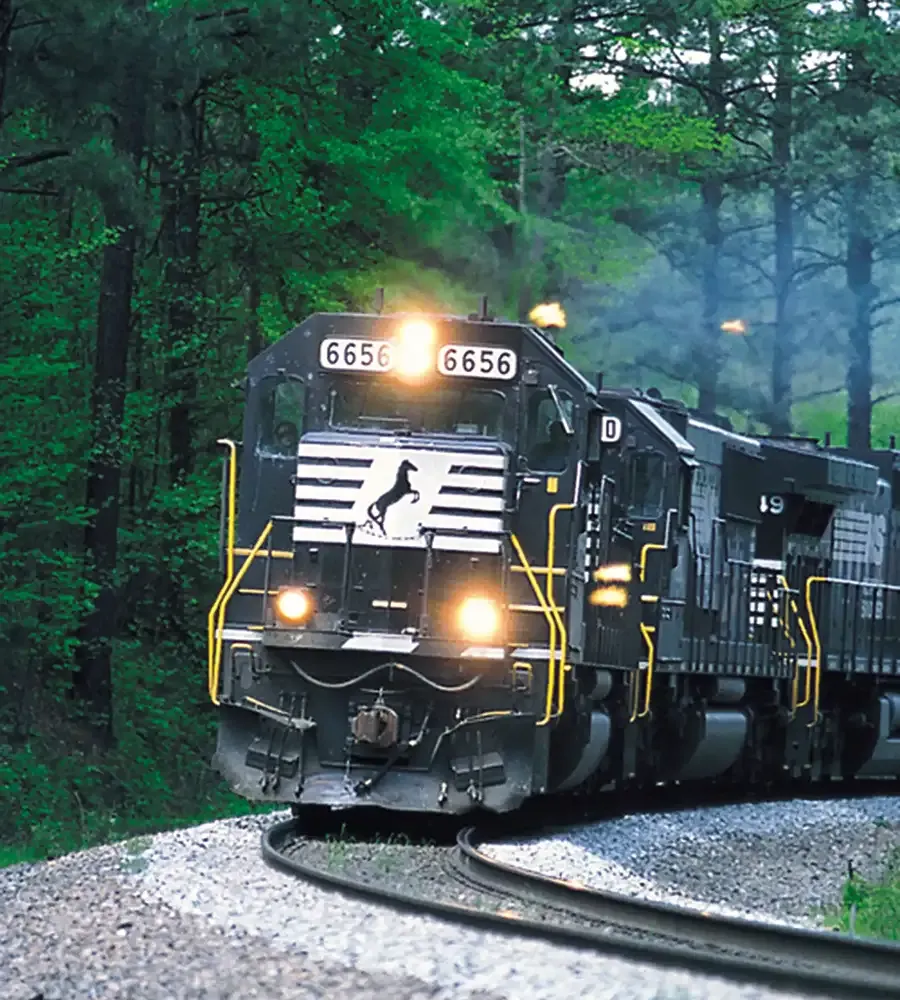
The China-Europe freight train is a rail transport network connecting more than 100 Chinese cities with key European destinations such as Hamburg, Duisburg, Warsaw, and Madrid. As part of the Belt and Road Initiative, this service supports faster trade routes while reducing logistics bottlenecks caused by congested ports and unpredictable shipping costs.
2. Why Use the China-Europe Freight Train Service?
The rail freight solution is growing in popularity due to:
- Transit efficiency: 15–20 days compared to 30–40 days by sea.
- Cost-effectiveness: $2.5–$3.5/kg vs. $5–$8/kg by air.
- Environmental benefits: Lower carbon footprint compared to air freight.
- Reliable scheduling: Frequent departures from major Chinese hubs.
3. How Much Does China-Europe Rail Freight Cost?
Costs vary depending on shipment size, cargo type, and routes.
- LCL (Less than Container Load): $50–$80 per CBM.
- FCL (20ft container): $3,000–$4,200.
- FCL (40ft container): $5,800–$6,900.
| Shipping Method | Average Cost | Transit Time | Pros | Cons |
|---|---|---|---|---|
| Air Freight | $5–$8/kg | 3–7 days | Fastest, secure | Expensive |
| Sea Freight | $1,800–$3,500/container | 30–40 days | Lowest cost, large volume | Long transit |
| Rail Freight | $2.5–$3.5/kg | 15–20 days | Balanced option | Limited availability |
4. What Documents Are Required for Rail Freight?
Border crossings require accurate paperwork to avoid costly delays.
Customs documents checklist:
- Commercial invoice
- Packing list
- Rail waybill
- Import declaration (EU customs entry)
- Certificates of origin or compliance documents
5.What Types of Cargo Are Best Suited for Rail Transport?
The China-Europe freight train service is ideal for:
- Electronics and consumer goods
- Automotive components
- Machinery and equipment
- Textiles and clothing
- E-commerce products
However, hazardous cargo or oversized loads may face restrictions.
6.Is the China-Europe Freight Train Service Eco-Friendly?
Yes, rail freight emits significantly less CO₂ than air transport and is more energy-efficient than sea freight. For businesses aiming at sustainability, it provides an excellent solution.
At China Top Freight, we offer tailored China-Europe freight train service solutions that reduce costs, optimize delivery schedules, and simplify customs clearance. Contact our experts today to secure a competitive quote.
7.Conclusion
The China-Europe freight train service provides a cost-effective, eco-friendly, and reliable logistics option for global trade. With transit times of 15–20 days and competitive rates, it bridges the gap between sea and air freight. Businesses can reduce expenses, shorten delivery schedules, and simplify customs by working with an experienced forwarder like China Top Freight, ensuring secure and efficient transport across Eurasia.
8. Request a Quote
China Top Freight offers:
- ✅ Origin and Destination Countries
- ✅ Cargo Type and Volume
- ✅ Preferred Transport Method (Air, Sea, Rail, Road)
- ✅ Delivery Timeline
- ✅ Special Handling Requirements (if any)
9. FAQ
Q1: How do I book a China-Europe freight train service shipment?
Partner with a forwarder who arranges booking, prepares customs documents, manages consolidation, and ensures timely delivery across multiple European hubs.
Q2: Can small businesses benefit from rail freight services?
Small businesses can ship LCL cargo, which allows cost-sharing through consolidation, making rail transport affordable even for lower volumes.
Q3: How often do China-Europe freight trains operate?
Most routes operate weekly, with certain high-demand corridors offering more frequent departures depending on seasonal trade volumes.
Q4: What industries rely most on the freight train service?
Electronics, automotive, fashion, and e-commerce industries benefit, as rail offers predictable schedules and lower costs than air freight.
Q5: Is cargo insurance necessary for rail shipments?
Insurance is highly recommended to cover potential risks such as theft, damage, or delays during transit across multiple countries.