

China Europe Freight Train: Your Gateway to Efficient Logistics
Businesses frequently seek efficient and reliable methods to transport goods between Asia and Europe. The China Europe freight train offers a compelling solution, bridging the gap between traditional sea and air freight. Navigating the complexities of international logistics requires expertise, and China Top Freight is here to simplify your shipping process.

What is the China Europe Freight Train?
Originating from China’s Belt and Road Initiative, the China Europe freight train service has rapidly emerged as a vital component of global trade. This extensive rail network connects major industrial hubs in China with numerous destinations across Europe. Indeed, it provides a crucial land bridge for goods, significantly enhancing connectivity and trade efficiency.
Furthermore, these dedicated rail lines offer a robust alternative to conventional shipping methods. They facilitate the movement of diverse cargo types, including electronics, machinery, and consumer goods. The service typically operates on fixed schedules, ensuring predictable delivery times and greater supply chain reliability for businesses worldwide.
Key Advantages of China Europe Rail Freight
Choosing the China Europe freight train brings several distinct advantages for businesses. These benefits span speed, cost, and reliability, making it an attractive option for various logistics needs. Understanding these benefits helps importers and exporters make informed decisions about their shipping strategies.
Speed and Efficiency
Primarily, rail freight offers a significant speed advantage over ocean shipping. While sea transit can take 30-45 days, the China Europe freight train often completes its journey in just 12-18 days. This reduced transit time China Europe rail is critical for time-sensitive goods and for maintaining lean inventory levels.
Moreover, the efficiency extends to border crossings and customs procedures. Streamlined processes, coupled with fewer delays compared to maritime routes, ensure a smoother flow of goods. This ultimately translates to quicker market entry for products and improved customer satisfaction.
Cost-Effectiveness
While faster than sea, rail freight is considerably more economical than air cargo, offering a compelling middle-ground. Businesses can achieve substantial savings compared to air freight, especially for heavy or bulky items. This makes it a highly cost-effective shipping China Europe solution for many.
Additionally, the predictable freight rates and reduced risk of unexpected surcharges contribute to better budget management. The overall landed cost of goods can be optimized, thereby enhancing profitability for importers. Consider rail freight for a balanced approach to speed and expense.
Reliability and Security
The China Europe freight train operates on a precise schedule, minimizing disruptions from weather or port congestion. This consistent delivery schedule provides businesses with greater predictability for their supply chain planning. Consequently, inventory management becomes more efficient.
Furthermore, cargo security is a high priority for rail operators. Goods are transported in sealed containers, reducing the risk of theft or damage during transit. This enhanced security offers peace of mind for shipping valuable or sensitive products across continents.
Environmental Benefits
Environmentally conscious businesses increasingly choose rail transport for its lower carbon footprint. The China Europe freight train emits significantly fewer greenhouse gases per ton-kilometer compared to air freight. This makes it a more sustainable logistics China Europe option.
Therefore, opting for rail freight contributes to corporate sustainability goals and helps reduce overall environmental impact. This aligns with global efforts towards greener supply chain practices, appealing to eco-aware consumers and stakeholders.
How Does the China Europe Freight Train Compare to Other Shipping Options?
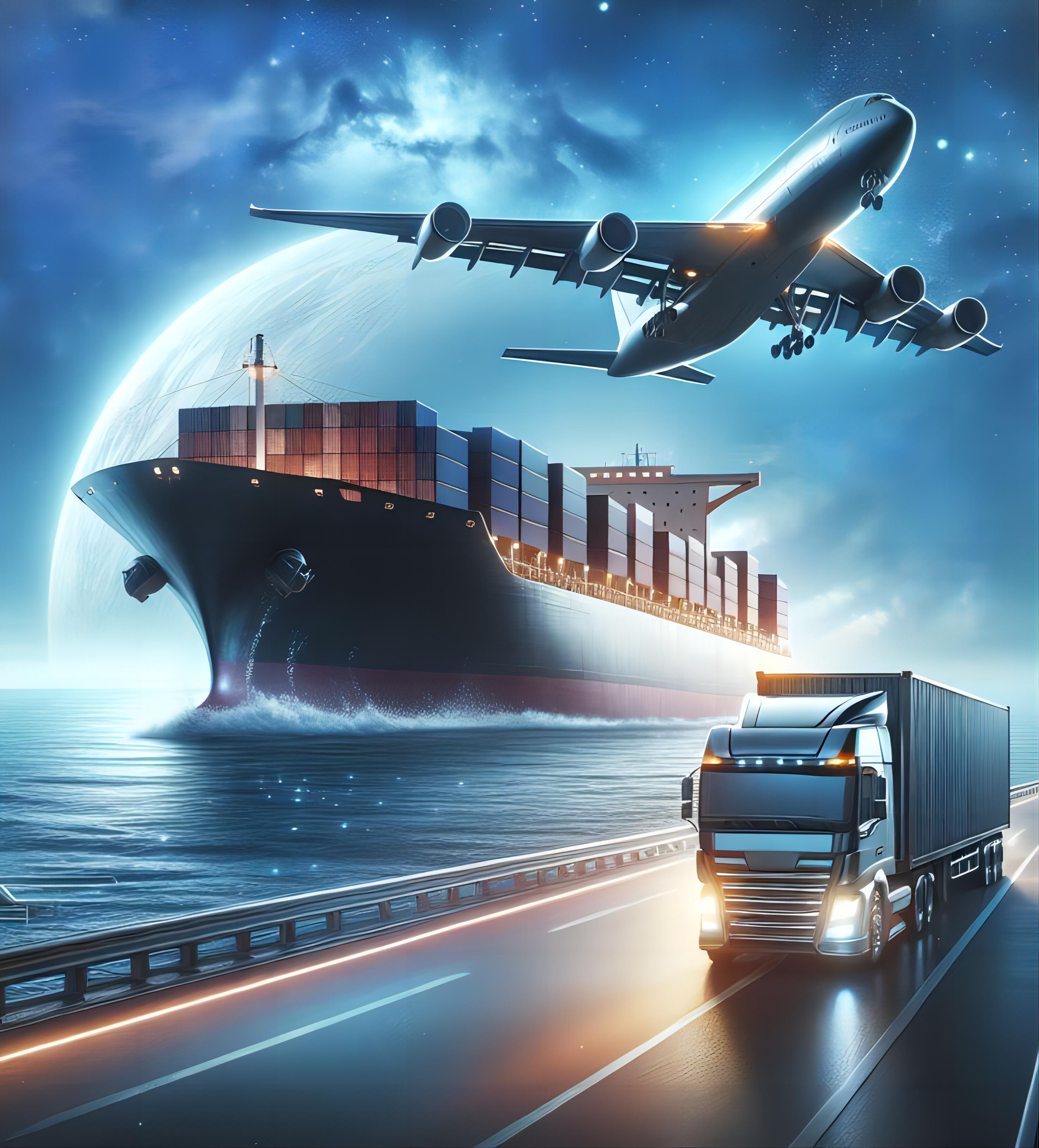
When planning international shipments, comparing different transport modes is essential. Each method offers unique trade-offs concerning speed, cost, and capacity. The China Europe freight train distinctively positions itself between sea and air freight.
Consequently, selecting the best option depends on specific cargo requirements, budget constraints, and urgency. Here is a comprehensive overview of how rail freight stacks up against its primary competitors.
| Shipping Method | Cost Range (40HQ/FCL) | Transit Time | Best For | Limitations |
|---|---|---|---|---|
| China Europe Freight Train | $5,000 – $8,000 | 12-18 days | Mid-value, time-sensitive, electronics, automotive parts | Limited routes, capacity constraints during peak season |
| Sea Freight | $3,000 – $5,000 | 30-45 days | Bulk goods, low-value, non-urgent, heavy cargo | Slow transit, port congestion, weather delays |
| Air Freight | $15,000 – $25,000+ | 3-7 days | High-value, urgent, perishable goods, small volumes | Highest cost, environmental impact, size/weight restrictions |
Navigating Routes and Transit Times
The China Europe freight train network encompasses several key corridors, each serving different regions and offering varied transit times. Understanding these routes is vital for optimizing your logistics strategy. The primary corridors include the Northern, Central, and Southern routes.
Indeed, these routes connect major Chinese cities like Chongqing, Chengdu, Xi’an, and Yiwu to European hubs such as Hamburg, Duisburg, Warsaw, and Madrid. The specific origin and destination significantly impact the overall transit time China Europe rail shipment will experience. Therefore, choosing the right route affects both speed and cost.
| Origin City (China) | Destination City (Europe) | Typical Transit Time (days) | Route Type |
|---|---|---|---|
| Chengdu | Lodz, Poland | 12-14 | Central Corridor |
| Xi’an | Hamburg, Germany | 14-16 | Northern Corridor |
| Chongqing | Duisburg, Germany | 15-17 | Central Corridor |
| Yiwu | Madrid, Spain | 18-20 | Southern Corridor |
| Zhengzhou | Prague, Czech Republic | 13-15 | Central Corridor |
Understanding Costs and Factors Affecting Pricing
Determining the exact cost for a China Europe freight train shipment involves multiple factors beyond just the rail freight itself. Businesses must consider a comprehensive breakdown of expenses to accurately budget their logistics. These factors collectively influence the final China to Europe rail shipping costs.
Moreover, market conditions and seasonal demand play a significant role in price fluctuations. As of Q1 2025, freight rates from China to Europe have generally stabilized after the 2024 Red Sea disruptions, but volatility remains a possibility. Therefore, staying informed about current logistics trends is crucial for cost management.
Key Cost Components
First, the rail freight rate covers the actual transportation from origin terminal to destination terminal. This is often quoted per container (FCL – Full Container Load) or per cubic meter/weight (LCL – Less than Container Load). The choice between FCL vs LCL rail freight depends on shipment volume.
Second, origin charges include pickup, terminal handling, and documentation fees in China. Similarly, destination charges cover terminal handling, customs clearance, and local delivery in Europe. Finally, customs duties and taxes are applied based on the product type and value. These are critical for import/export compliance.
Factors Influencing Rates
Several variables can impact the overall freight rates. The type of cargo, its dimensions, and weight directly affect pricing. Additionally, the specific route chosen and the urgency of the shipment can lead to different cost structures. For instance, express services might incur higher charges.
Furthermore, seasonal peaks, such as before Chinese New Year or during the Q4 holiday rush, often lead to increased demand and higher prices. Capacity availability on the China Europe freight train can also influence rates. Market data suggests rates typically increase 15-25% during August-October peak season. Note: Freight rates are subject to change based on fuel costs, carrier capacity, and seasonal demand. Contact us for a current quote tailored to your specific shipment.
Essential Documentation and Customs Clearance
Smooth international shipping heavily relies on accurate and complete documentation. For the China Europe freight train, proper paperwork is indispensable for efficient customs clearance at both origin and destination. Any discrepancies can lead to significant delays and additional costs.
Therefore, businesses must prepare all necessary documents meticulously before shipment. Engaging a reliable freight forwarder with expertise in customs brokerage can significantly streamline this complex process. This ensures compliance with both Chinese and European regulations, preventing common import/export pitfalls.
Key Documents Required
Typically, you will need a commercial invoice detailing the goods, their value, and terms of sale. A packing list, which outlines the contents of each package, is also mandatory. Additionally, the rail waybill (similar to a Bill of Lading for sea freight) serves as the contract of carriage and title to the goods.
Furthermore, depending on the cargo, certificates of origin, quality certificates, or import licenses might be required. Accurate customs declarations are paramount for avoiding issues at the border. Always verify specific requirements for your product and destination country to ensure a seamless process.
Real-World Scenarios: China Europe Rail Freight in Action
Examining real case studies provides practical insights into the application and benefits of the China Europe freight train. These examples illustrate how businesses leverage rail transport for various cargo types and routes. They highlight typical transit times, shipping costs, and key considerations for successful delivery.
Indeed, understanding these scenarios helps potential shippers visualize the process and anticipate outcomes. These examples are based on typical rates as of early 2025, reflecting current market conditions and logistical practices. They also showcase the potential for supply chain optimization.
Case Study 1: Electronics from Shenzhen to Hamburg
| Detail | Description |
|---|---|
| Route | Shenzhen, China -> Hamburg, Germany |
| Cargo | Consumer Electronics (Smartphones & Laptops), 28 CBM, 12,000 kg |
| Container | 1 x 40HQ |
| Shipping Details | Carrier/Service: Major rail operator via Central Corridor. Port of Loading: Shenzhen. Port of Discharge: Hamburg. Route Type: Direct rail service. |
| Cost Breakdown | Rail Freight: $6,500. Origin Charges (THC, documentation): $450. Destination Charges: $600. Customs & Duties (estimated): $1,200. Total Landed Cost: $8,750 (Excluding VAT) |
| Timeline | Booking to Loading: 3 days. Rail Transit: 16 days. Customs Clearance: 2 days. Total Door-to-Door: 21 days |
| Key Insight | Rail freight significantly reduced transit time compared to sea, enabling faster market entry for high-demand electronics. Cost savings over air freight were substantial. |
Case Study 2: Auto Parts from Chongqing to Duisburg
| Detail | Description |
|---|---|
| Route | Chongqing, China -> Duisburg, Germany |
| Cargo | Automotive Spare Parts, 15 CBM, 8,000 kg |
| Container | LCL 15 CBM (shared container) |
| Shipping Details | Carrier/Service: Intermodal rail service. Port of Loading: Chongqing. Port of Discharge: Duisburg. Route Type: Consolidated LCL rail freight. |
| Cost Breakdown | Rail Freight: $4,200 (for LCL). Origin Charges (THC, documentation): $300. Destination Charges: $400. Customs & Duties (estimated): $800. Total Landed Cost: $5,700 (Excluding VAT) |
| Timeline | Booking to Loading: 4 days. Rail Transit: 17 days. Customs Clearance: 2 days. Total Door-to-Door: 23 days |
| Key Insight | LCL rail freight provided a flexible and cost-efficient solution for smaller, regular shipments of critical auto parts, supporting just-in-time supply chains. |
Case Study 3: Apparel from Yiwu to Warsaw
| Detail | Description |
|---|---|
| Route | Yiwu, China -> Warsaw, Poland |
| Cargo | Fashion Apparel & Textiles, 55 CBM, 18,000 kg |
| Container | 2 x 40GP |
| Shipping Details | Carrier/Service: YXE Express Rail. Port of Loading: Yiwu. Port of Discharge: Warsaw. Route Type: Dedicated block train service. |
| Cost Breakdown | Rail Freight: $10,500. Origin Charges (THC, documentation): $700. Destination Charges: $850. Customs & Duties (estimated): $1,500. Total Landed Cost: $13,550 (Excluding VAT) |
| Timeline | Booking to Loading: 5 days. Rail Transit: 14 days. Customs Clearance: 1 day. Total Door-to-Door: 20 days |
| Key Insight | The direct Yiwu-Warsaw route offered exceptional speed and reliability for fast-moving fashion goods, significantly reducing lead times for European retailers. Q4 peak season rates were 20% higher than off-peak. |
Which Shipping Option Should You Choose?
Selecting the optimal shipping method for your goods from China to Europe requires careful consideration of several factors. There is no single ‘best’ option; instead, the ideal choice aligns with your business priorities. This decision framework helps clarify which service suits your specific needs.
Ultimately, a balanced approach often involves diversifying your logistics strategies. Understanding your cargo’s characteristics, budget, and time constraints will guide you toward the most effective solution. Consider these points to make an informed decision for your supply chain resilience China Europe strategy.
Budget Priority
If minimizing costs is your primary concern and time is not critical, sea freight remains the most economical option. However, for a balance of cost and speed, the China Europe freight train presents an excellent middle ground. This option avoids the high expenditures of air travel.
Conversely, for urgent shipments where cost is secondary, air freight is the undisputed choice. Therefore, assess your financial limits against your delivery requirements. This will dictate whether ocean, rail, or air is most appropriate for your freight rates.
Speed Priority
When speed is paramount, particularly for high-value or perishable goods, air freight is unmatched. It offers the fastest transit times, typically within 3-7 days. However, the China Europe freight train provides a significantly faster alternative to sea freight, often delivering in 12-18 days.
This makes rail an ideal choice for products with moderate urgency, where a few weeks saved can impact inventory turnover and market responsiveness. Consequently, for businesses needing quicker lead times without the premium cost of air, rail is a strong contender.
Cargo Type and Volume
The nature of your cargo heavily influences the suitable shipping method. For instance, bulky, low-value commodities are best suited for sea freight due to its high capacity and low cost. In contrast, fragile, high-value electronics or automotive parts benefit greatly from the stability and speed of the China Europe freight train.
Furthermore, consider your volume. For shipments under 15 CBM, LCL rail freight may be more economical than a full container. However, for larger volumes, FCL rail freight offers better per-unit costs. Many providers also offer door-to-door services for added convenience, simplifying cargo handling.
Supply Chain Resilience
Diversifying your shipping portfolio enhances supply chain resilience, especially given global disruptions. Relying solely on one mode can leave your business vulnerable to unforeseen events like port congestion or airspace restrictions. The China Europe freight train provides a robust alternative.
Therefore, integrating rail into your logistics plan offers an intermodal transport solution that reduces risk. It allows flexibility to switch modes based on market conditions or urgent needs, ensuring continuous movement of goods. This strategic approach strengthens overall operational stability.

Conclusion
The China Europe freight train has undeniably reshaped global supply chains, offering a robust middle-ground between the speed of air freight and the economy of sea freight. This service provides a strategic advantage for businesses seeking a balanced approach to transit time, cost, and reliability. Ultimately, understanding its nuances is crucial for optimizing your international shipping strategy.
By carefully evaluating your specific requirements and leveraging the benefits of this modern Silk Road, you can enhance your competitive edge. The China Europe freight train is more than just a transport route; it is a vital artery for global commerce, promising efficiency and growth for countless businesses.
Start Your Shipment
Ready to optimize your logistics and leverage the efficiency of the China Europe freight train? Contact our experts today for a tailored consultation and a competitive quote. We are committed to providing seamless and reliable shipping solutions for your business needs.
Request Quote