

The China Europe rail China to France route has transformed international trade by offering a faster, greener, and more cost-efficient alternative to sea freight. Whether you’re shipping electronics, auto parts, machinery, or consumer goods, the China–France rail corridor combines speed and reliability with simplified customs clearance. This article explains everything you need to know — costs, routes, transit times, advantages, and how to use this rail network for your business.

1. Why Choose the China Europe Rail Route from China to France?
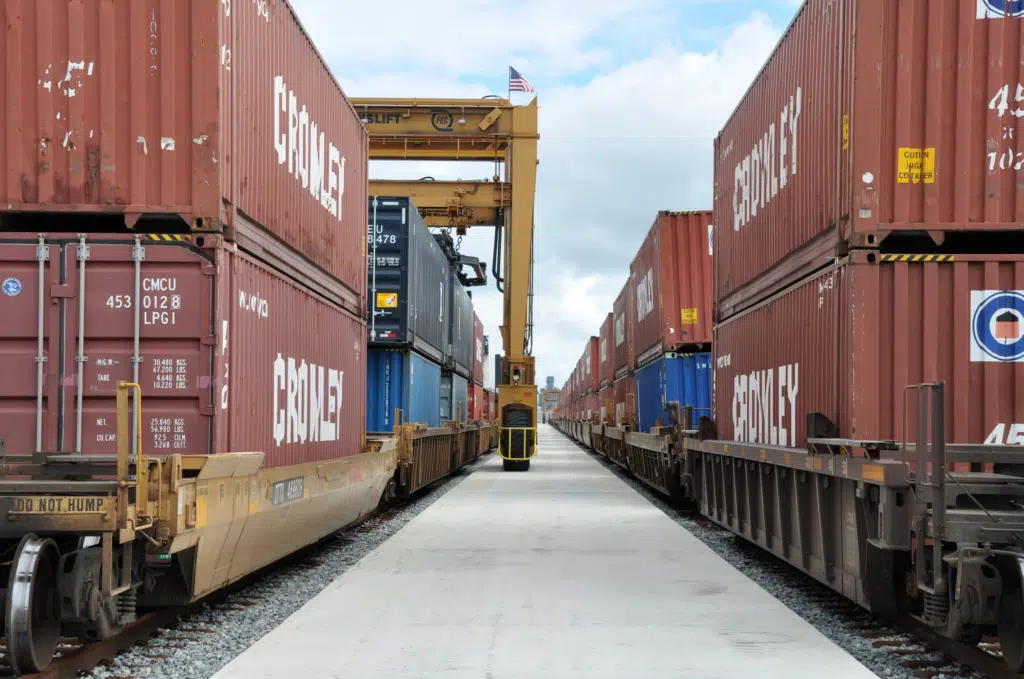
The China–Europe Railway Express has become a vital part of the global supply chain, connecting over 100 Chinese cities to 200+ European destinations. France, being a major EU trade hub, plays a key role in this corridor.
Key Benefits:
- Faster than sea freight (15–20 days)
- Cheaper than air freight (by up to 60%)
- Stable year-round schedules
- Reduced carbon emissions
- Suitable for FCL and LCL shipments
| Mode | Average Transit Time | Cost (USD/m³ or per kg) | Ideal For | Reliability |
|---|---|---|---|---|
| Rail Freight | 15–20 days | $250–$350/m³ | General & industrial goods | High |
| Sea Freight | 30–40 days | $70–$100/m³ | Bulk shipments | High |
| Air Freight | 5–7 days | $6–$9/kg | Urgent cargo | Very High |
Conclusion:
Rail freight is the perfect middle ground — balancing time, cost, and environmental sustainability for shipments between China and France.
2. What Are the Main Routes for China Europe Rail to France?
The main rail route starts in western China and travels through Central Asia, Russia, Belarus, Poland, and Germany before reaching France.
| Route | Origin | Main Transit Countries | Destination Terminal | Transit Time |
|---|---|---|---|---|
| Chengdu → Lyon | Chengdu | Kazakhstan → Russia → Poland → Germany | Lyon | 16–18 days |
| Xi’an → Paris | Xi’an | Kazakhstan → Belarus → Germany | Paris | 17–20 days |
| Chongqing → Marseille | Chongqing | Mongolia → Russia → Poland → Germany | Marseille | 18–22 days |
| Wuhan → Dourges | Wuhan | Kazakhstan → Russia → Poland → Belgium | Dourges | 18–21 days |
Note: Regular weekly departures are available from Chengdu, Xi’an, and Chongqing, offering flexible shipping schedules.
3. How Much Does Rail Freight from China to France Cost?
Rail freight rates depend on shipment size, service type (FCL/LCL), and cargo classification.
| Shipment Type | Mode | Average Cost (USD) | Remarks |
|---|---|---|---|
| 1 CBM (LCL) | Shared Container | $250–$350 | Best for small shipments |
| 20ft Container | FCL | $3,800–$4,800 | Ideal for 15–18 tons |
| 40ft Container | FCL | $6,800–$7,500 | Large-volume shipments |
| Air Freight | Per kg | $6–$9/kg | Urgent goods |
| Sea Freight | Per CBM | $70–$100 | Cheapest, slowest option |
Pro Tip:
Rail freight rates remain stable compared to fluctuating sea or air rates, offering predictable cost planning for importers.
What are you waiting for?
Contact chinatopfreight for a fast, free quote.
Are you ready to book?
Access live instant freight quotes
4. What Is the Transit Time for China–France Rail Freight?
The average transit time for rail shipments from China to France ranges between 15 and 20 days, depending on the origin city and destination terminal.
| Origin City | Destination | Transit Time | Mode |
|---|---|---|---|
| Chengdu | Lyon | 16–18 days | FCL/LCL |
| Xi’an | Paris | 17–20 days | FCL |
| Chongqing | Marseille | 18–22 days | FCL/LCL |
| Wuhan | Dourges | 18–21 days | FCL |
Compared with Other Modes:
- Sea Freight: 30–40 days
- Air Freight: 5–7 days
- Rail Freight: 15–20 days
Rail is therefore the best balance of time and cost for non-urgent but time-sensitive cargo.
5. What Goods Can Be Shipped by China–France Rail?
Rail freight supports a wide range of cargo types, including:
- Electronics and semiconductors
- Automotive parts and machinery
- Fashion and textile products
- Furniture and home appliances
- Food and beverages (non-perishable)
- Medical and healthcare equipment
Note: Dangerous goods and highly perishable cargo are generally not accepted unless special conditions are arranged.
6. What Are the Customs Requirements for Rail Freight Between China and France?
| Document | Purpose | Issued By |
|---|---|---|
| Commercial Invoice | Declares goods’ value | Exporter |
| Packing List | Details quantity and weight | Supplier |
| Bill of Lading / Rail Waybill | Proof of shipment | Railway Operator |
| Certificate of Origin | Confirms product source | Chamber of Commerce |
| Import Declaration | For French customs | Importer |
| EORI Number | EU customs registration | Importer/Company |
Pro Tip:
France follows EU customs regulations. Ensure your HS code, invoice, and country of origin documents are accurate to avoid clearance delays.
7. What Are the Advantages of China–France Rail Freight Over Sea or Air?
| Criteria | Rail Freight | Sea Freight | Air Freight |
|---|---|---|---|
| Transit Time | 15–20 days | 30–40 days | 5–7 days |
| Cost | Medium | Low | High |
| Reliability | High | High | Very High |
| Carbon Emission | Low | Medium | High |
| Best For | Time-sensitive, medium-value goods | Bulk cargo | Urgent shipments |
Conclusion:
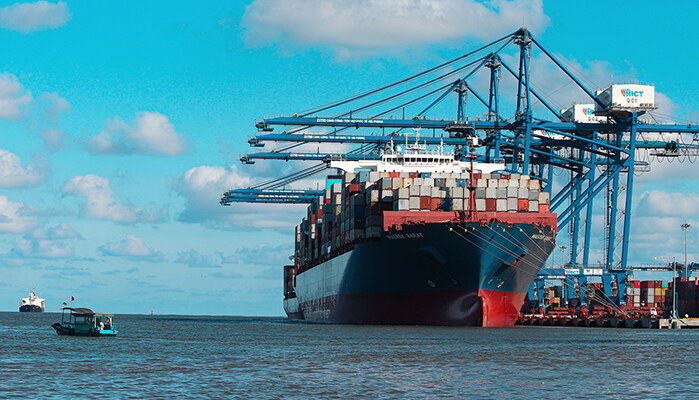
Rail freight is 50% faster than sea freight and 60% cheaper than air, making it the most strategic choice for many importers.
8. How Does Rail Freight Improve Supply Chain Efficiency?
Rail logistics offers advantages beyond cost and time:
- Predictable scheduling: Weekly departures with fixed routes
- Door-to-door delivery: Integration with trucking at both ends
- Reduced customs bottlenecks: Streamlined EU-China trade agreements
- Sustainability: 80% lower CO₂ emissions than air freight
Moreover, the rail corridor connects seamlessly with European trucking networks, allowing final delivery to French cities like Paris, Lyon, Bordeaux, and Marseille.
9. What Are the Incoterms Commonly Used for China–France Rail Shipments?
| Incoterm | Responsibility | Best For | Notes |
|---|---|---|---|
| FOB (Free on Board) | Buyer manages transport after departure | Experienced importers | Common for bulk cargo |
| CIF (Cost, Insurance, Freight) | Seller arranges shipping | New importers | Moderate control |
| DDP (Delivered Duty Paid) | Seller handles all processes | E-commerce and SMEs | Hassle-free logistics |
Recommendation:
For small and medium businesses, DDP shipping via China–France rail simplifies logistics as the forwarder handles customs, taxes, and final delivery.
10. How Does China–France Rail Compare in Environmental Impact?
Rail freight produces significantly fewer emissions than air or sea transport, contributing to global sustainability goals.
| Transport Mode | CO₂ Emissions (g per ton/km) | Energy Efficiency | Environmental Rating |
|---|---|---|---|
| Air Freight | 500–600 | Low | ★☆☆☆☆ |
| Sea Freight | 15–20 | High | ★★★★☆ |
| Rail Freight | 25–35 | Very High | ★★★★★ |
Therefore, rail is the preferred choice for companies aiming to meet ESG and green logistics targets.
Conclusion
The China Europe rail China to France route is revolutionizing international logistics by bridging the gap between sea and air freight. It offers the perfect balance of speed, cost, and reliability, connecting China’s manufacturing hubs to France’s logistics centers within 15–20 days.
For businesses seeking stable transit schedules, environmental sustainability, and efficient customs clearance, rail freight is the smart choice. Partner with China Top Freight to simplify your supply chain and benefit from professional, transparent, and cost-effective rail logistics services between China and France.
FAQ
1. How long does China–France rail freight take?
Average transit time is 15–20 days, depending on the departure city and customs procedures at European borders.
2. What are the main rail hubs in France for Chinese freight?
Lyon, Paris, Dourges, and Marseille are major entry points for China–Europe rail shipments.
3. Can I ship less than a container load (LCL) by rail?
Yes, LCL services are available. Freight forwarders consolidate multiple shipments to reduce costs and ensure efficiency.
4. Is rail freight cheaper than air freight?
Yes. Rail freight costs about 60% less than air transport, making it ideal for time-sensitive but cost-conscious shipments.
5. What types of cargo are allowed on the China–France rail route?
Most general goods like machinery, textiles, electronics, and auto parts are accepted. Hazardous and highly perishable cargo requires special approval.