

The growing trade between Asia and Europe has boosted demand for efficient China Europe rail China to Japan solutions. This modern multimodal route connects China’s manufacturing hubs to Europe and Japan via rail, sea, and road networks—offering balance between cost, speed, and reliability. Whether you’re exporting electronics, auto parts, or machinery, understanding how this rail corridor works can significantly enhance your supply chain efficiency.
1. What Is the China Europe Rail China to Japan Route?
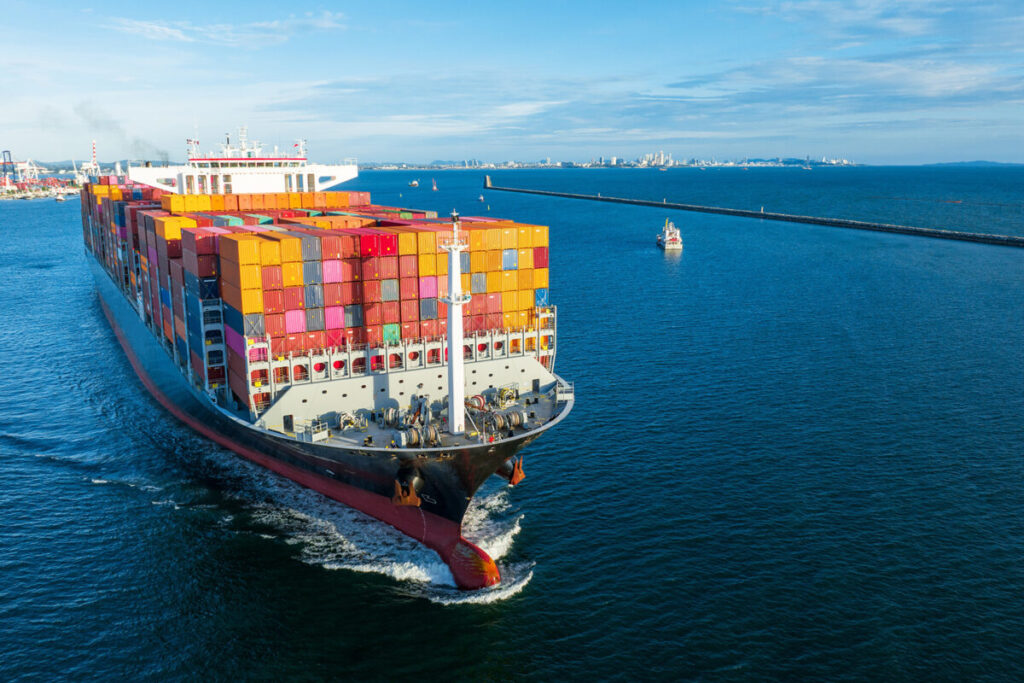
The China–Europe rail connects inland Chinese cities (like Chongqing, Chengdu, Xi’an, and Wuhan) to European destinations (Duisburg, Hamburg, Warsaw). To extend from China to Japan, the cargo uses a rail–sea multimodal route.
Typical Path:
China (Chongqing or Xi’an) → Europe via rail → Back to Chinese port (e.g., Dalian or Tianjin) → Japan by feeder vessel.
This intermodal connection enables faster regional trade and stable transit schedules while avoiding the long sea voyage around Southeast Asia.
Long-tail keywords:
- china europe train service
- rail freight from china to japan
- intermodal transport china japan
- multimodal shipping route asia europe
- transit schedule china europe rail
2. Why Choose China Europe Rail for Shipments to Japan?
Combining rail and sea freight offers key advantages:
| Benefit | Description |
|---|---|
| Speed | Faster than pure sea freight (12–18 days average). |
| Stability | Fixed weekly departures with consistent schedules. |
| Cost Efficiency | Cheaper than air freight, moderate compared to sea. |
| Eco-Friendly | Lower CO₂ emissions than trucks or planes. |
| Supply Chain Balance | Reliable for both bulk and time-sensitive goods. |
Moreover, rail freight is less affected by port congestion or capacity shortages, ensuring more predictable deliveries.
3. How Does the China–Europe–Japan Rail-Sea Service Work?
The combined logistics model follows these stages:
- Rail Transport: Cargo travels by train from inland China to coastal terminals or European hubs.
- Transloading: Containers are transferred to ships at Chinese or Russian ports.
- Sea Transport: Feeder vessels connect to Japan’s major ports such as Tokyo, Osaka, and Yokohama.
- Final Delivery: Cargo is distributed by local truck service or domestic rail within Japan.
| Segment | Mode | Estimated Time | Notes |
|---|---|---|---|
| Xi’an → Duisburg | Rail | 12–15 days | Stable schedule |
| Dalian → Osaka | Sea | 3–5 days | Short-distance feeder |
| Total | Rail + Sea | 15–20 days | Multimodal delivery |
4. How Much Does China Europe Rail China to Japan Cost?
Pricing depends on cargo volume, route, and mode combination.
| Cargo Type | Mode | Estimated Cost | Remarks |
|---|---|---|---|
| General Cargo (1 CBM) | Rail + Sea | $250–$350 | Standard goods |
| Heavy Machinery (1 ton) | Rail | $600–$800 | Oversized cargo |
| Electronics (100 kg) | Air Freight | $800–$1,200 | Urgent |
| Sea Freight (FCL) | Sea | $100–$150 | Slowest, cheapest |
Semantic keywords: freight cost calculator, delivery schedule, customs duties, import/export management, logistics optimization.
Are you ready to book?
Access live instant freight quotes
5. Which Cities and Ports Participate in China–Europe Rail and Japan Feeder Routes?
| Origin (China) | Key Rail Terminal | European Hub | Feeder Port to Japan | Destination (Japan) |
|---|---|---|---|---|
| Chongqing | Yuxinou Terminal | Duisburg, Germany | Dalian | Osaka |
| Chengdu | Qingbaijiang | Warsaw, Poland | Tianjin | Tokyo |
| Xi’an | Xi’an Dry Port | Hamburg, Germany | Qingdao | Yokohama |
| Wuhan | Wujiashan | Madrid, Spain | Ningbo | Kobe |
Each terminal connects to different feeder lines serving major Japanese ports, ensuring flexibility for diverse trade routes.
6. What Documents Are Required for China–Japan Rail-Sea Shipments?
Proper documentation guarantees smooth customs clearance at each stage.
| Document | Purpose |
|---|---|
| Commercial Invoice | Declares product value |
| Packing List | Describes goods, quantity, and weight |
| Bill of Lading / Rail Waybill | Proof of carriage |
| Certificate of Origin | For customs verification |
| HS Code Declaration | Determines duty rates |
| Import/Export License | Regulatory requirement |
Long-tail keywords: customs paperwork China Japan, freight forwarding documents, import declaration Japan, shipping compliance requirements.
7. How Long Does It Take to Ship Goods via China–Europe–Japan Rail?
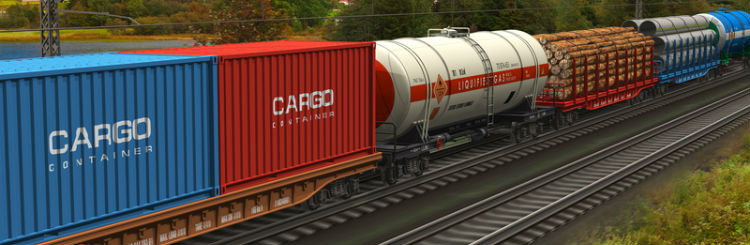
Transit time depends on distance, cargo type, and logistics coordination.
| Route Type | Estimated Transit Time | Notes |
|---|---|---|
| Rail (China → Europe) | 12–15 days | Scheduled weekly |
| Feeder Sea (China → Japan) | 3–5 days | Short haul |
| Multimodal (Door-to-door) | 18–22 days | Including handling |
Compared with sea freight (30–40 days) or air freight (3–5 days), this hybrid model offers a cost-effective middle ground.
8. How Does Rail Freight Compare to Air and Sea Freight?
| Feature | Rail Freight | Air Freight | Sea Freight |
|---|---|---|---|
| Speed | Medium | Fastest | Slowest |
| Cost | Moderate | Expensive | Cheapest |
| CO₂ Emission | Low | Highest | Low |
| Cargo Type | General, industrial | Small, urgent | Bulk |
| Schedule Stability | High | High | Variable |
| Ideal For | Machinery, textiles, electronics | Urgent samples | Heavy containers |
Rail freight is an optimal choice for stable trade volumes, offering a balance between cost and transit time.
9. What Are the Main Advantages of Rail-Sea Multimodal Shipping to Japan?
- Reduced lead time compared to sea routes via the South China Sea.
- Lower carbon emissions than air freight.
- Higher reliability in winter and peak seasons.
- Competitive cost-to-speed ratio.
- Expanded reach via inland Chinese logistics hubs.
Therefore, rail–sea connections have become a sustainable and strategic option for trade expansion between China, Europe, and Japan.
10. What Challenges May Affect the China Europe Rail China to Japan Route?
Despite its strengths, this route faces challenges:
- Border transshipment delays between different rail gauges.
- Limited space during peak seasons.
- Regulatory differences between Europe and Asia.
- Weather disruptions on land or sea legs.
However, experienced freight forwarders can handle these complexities through optimized scheduling, customs pre-clearance, and flexible routing.
Conclusion
In summary, the China Europe rail China to Japan logistics network represents a modern, efficient bridge connecting three major trade regions. Its rail-sea multimodal structure reduces costs, stabilizes delivery times, and supports sustainable global trade.
For companies managing cross-border supply chains, this corridor delivers a powerful alternative to traditional air and sea freight—balancing speed, cost, and environmental impact. Partnering with an experienced freight forwarder ensures a smooth, compliant, and dependable logistics journey from China’s factories to Japan’s ports and markets.
FAQ
1. How long does rail freight take from China to Japan via Europe?
It typically takes 18–22 days depending on route, handling time, and customs processing at both ends.
2. Can I ship perishable goods using China Europe rail?
Yes, but only with refrigerated containers equipped for temperature control throughout the rail-sea journey.
3. Are customs duties required for goods entering Japan?
Yes, import duties and consumption tax apply, calculated based on product category and declared value.
4. What’s the main advantage of rail-sea multimodal transport?
It combines cost efficiency of sea freight with faster transit time offered by rail freight.
5. Can I track my shipment from China to Japan in real-time?
Most modern freight forwarders provide digital tracking systems covering rail, sea, and last-mile delivery.