

China Europe Rail to Singapore: Navigating Complex Global Logistics
“Exploring the logistics of moving goods from China to Singapore, especially when considering the expansive China Europe Rail network, presents unique challenges and opportunities. Businesses often seek efficient and cost-effective solutions for their international freight. At China Top Freight, we understand these complexities and offer tailored strategies to optimize your supply chain.”
What is the China Europe Rail Network?
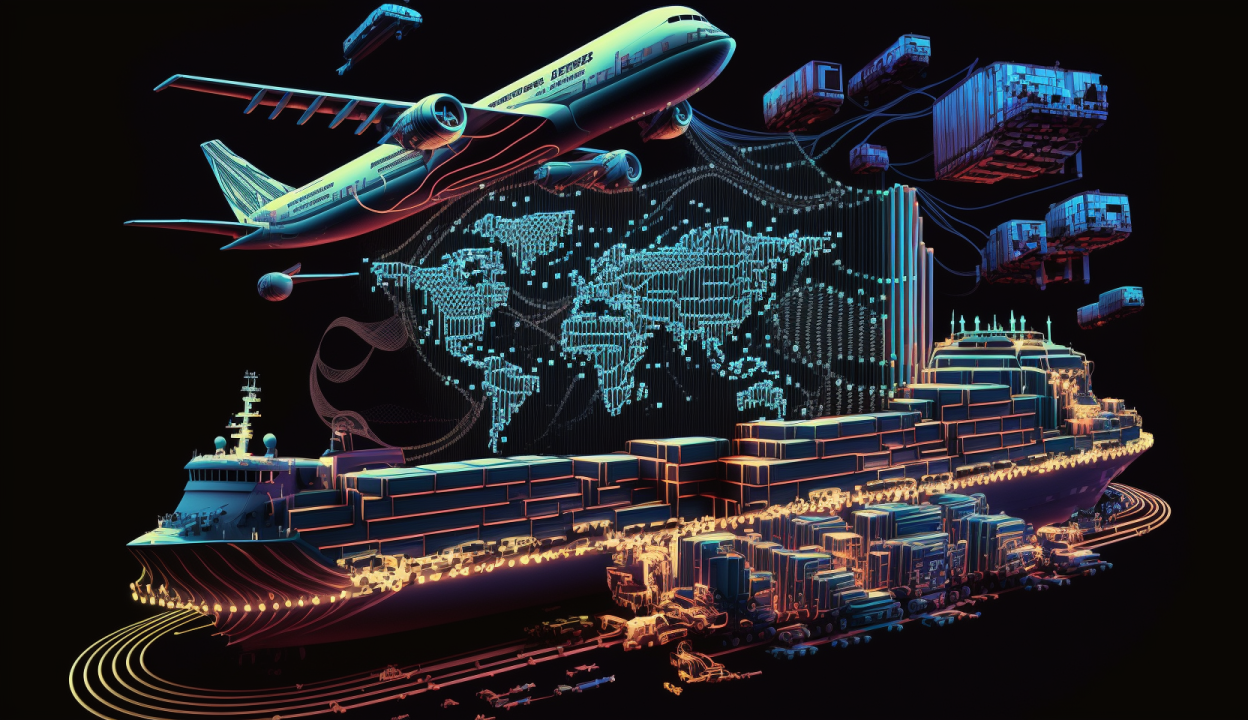
❖The China Europe Rail Express, also known as the New Silk Road, represents a crucial land bridge connecting China with various European cities. This extensive network facilitates the rapid transport of goods across continents, offering an alternative to traditional sea and air freight routes. It significantly boosts trade and economic cooperation between Asia and Europe.
Primarily, these rail lines link major Chinese manufacturing hubs like Chongqing, Chengdu, and Xi’an to European destinations such as Hamburg, Duisburg, and Madrid. The service has seen substantial growth, moreover, becoming a preferred option for time-sensitive cargo that is too heavy for air freight but needs to arrive faster than sea freight. Consequently, it has reshaped global logistics trends.
Can China Europe Rail Directly Reach Singapore?
❖Despite the impressive reach of the China Europe Rail network, it does not currently extend directly to Singapore. The rail lines terminate in Europe, meaning a direct rail link from China to Singapore is not a primary shipping option. Geographically, Singapore is an island nation in Southeast Asia, far removed from the European rail network’s endpoint.
Therefore, any shipment intending to utilize the China Europe Rail for part of its journey to Singapore would require a multi-modal approach. This typically involves rail transport from China to a European port, followed by onward sea freight or air cargo from Europe to Singapore. Understanding these logistical realities is crucial for effective supply chain planning.
How Does China Europe Rail Compare to Other Shipping Options for China to Singapore?
❖When considering shipping from China to Singapore, various methods offer distinct advantages and disadvantages. While direct rail to Singapore is not an option, comparing the primary direct routes (sea and air) with a hypothetical rail-sea/air combination via Europe highlights key trade-offs. This comparison is vital for optimizing transit time and shipping costs.
For instance, direct sea freight from China to Singapore is usually the most economical choice for bulk cargo. Conversely, air freight provides the fastest delivery for urgent or high-value goods. The following table provides a comprehensive overview of these options, helping you make an informed decision for your import/export needs.
| Shipping Method | Cost Range (per 40HQ/1000kg) | Transit Time (Days) | Best For | Limitations |
|---|---|---|---|---|
| Direct Sea Freight (FCL) | $800 – $1,800 | 7 – 14 | Large volumes, heavy goods, non-urgent | Slowest transit, port congestion |
| Direct Air Freight | $3,000 – $6,000 | 1 – 5 | Urgent, high-value, perishable goods | Highest cost, volume/weight restrictions |
| China Rail to Europe + Sea to Singapore | $4,000 – $7,000 | 35 – 50+ | Specific routes, multi-leg strategy | Complex, multiple transfers, high cost |
| China Rail to Europe + Air to Singapore | $7,000 – $12,000 | 20 – 35+ | Very specific, urgent, high-value | Extremely high cost, multiple transfers |
Optimizing Your Supply Chain: Direct China to Singapore Shipping
❖Given the lack of direct China Europe Rail to Singapore service, businesses typically focus on direct shipping routes. Most importantly, selecting the right mode of transport depends on your priorities: speed, cost, or cargo type. Efficient rail freight from China to Europe serves a different set of needs than direct routes to Southeast Asia.
For shipments destined for Singapore, direct sea freight remains the backbone of trade. However, for time-critical deliveries, direct air cargo is indispensable. Furthermore, combining these services with robust customs brokerage and door-to-door delivery ensures a seamless supply chain from factory to final destination.
Sea Freight for Cost-Effective Solutions
Sea freight offers unparalleled cost efficiency for bulk goods and large volumes. Both Full Container Load (FCL) and Less than Container Load (LCL) options are available, catering to different shipment sizes. Transit times typically range from 7 to 14 days from major Chinese ports to Singapore.
Choosing the right vessel and route can significantly impact your delivery schedule. Moreover, factors like port congestion and seasonal demand can influence freight rates. It is always wise to plan ahead and secure space, especially during peak seasons.
Air Freight for Speed and Urgency
When speed is paramount, air freight is the preferred choice. It drastically reduces transit times to just a few days, making it ideal for perishable goods, high-value electronics, or urgent components. Air cargo services connect major Chinese international airports with Changi Airport in Singapore.
Although more expensive, the benefits of rapid delivery often outweigh the increased cost for critical shipments. Additionally, air freight offers enhanced security and tracking capabilities, providing greater peace of mind for sensitive cargo handling.
Essential Considerations for China to Singapore Shipments
❖Navigating international logistics requires attention to detail, particularly concerning documentation and regulations. Whether you choose sea or air, understanding customs requirements is crucial. Proper preparation can prevent delays and additional costs, ensuring a smooth import/export process.
Furthermore, selecting a reliable freight forwarder is key. A good partner can manage everything from origin pickup and cargo handling to customs clearance and final door-to-door delivery. This comprehensive service simplifies the process for businesses, allowing them to focus on their core operations.
Customs Clearance and Documentation
Accurate and complete documentation is non-negotiable for international shipping. This includes commercial invoices, packing lists, bills of lading (for sea freight) or air waybills (for air freight), and any necessary permits or licenses. Singapore has specific import regulations that must be adhered to.
Engaging professional customs brokerage services can streamline this complex process. They ensure compliance with local laws, calculate duties and taxes, and expedite clearance. This expertise minimizes the risk of costly delays and penalties for your China to Singapore shipping.
| Document Type | Purpose | Required For | Notes |
|---|---|---|---|
| Commercial Invoice | Proof of sale, value declaration | All shipments | Details goods, quantity, price |
| Packing List | Details contents of each package | All shipments | Helps customs inspect and verify cargo |
| Bill of Lading (B/L) | Contract of carriage, title to goods | Sea freight | Issued by carrier, crucial for release |
| Air Waybill (AWB) | Contract of carriage, receipt of goods | Air freight | Non-negotiable, issued by airline |
| Certificate of Origin | Verifies country of manufacture | Certain goods/agreements | May qualify for preferential tariffs |
Freight Rates and Cost-Saving Strategies
Freight rates are dynamic, influenced by fuel costs, carrier capacity, and global events. For example, market data suggests rates can fluctuate significantly throughout the year. Comparing quotes from multiple providers is a smart strategy to secure competitive pricing for your China to Singapore shipping.
Consider optimizing cargo packaging to reduce volumetric weight, especially for air freight. Additionally, exploring LCL options for smaller shipments can be more cost-effective than booking a full container. Consolidating multiple smaller orders into one larger shipment can also lead to substantial savings.
Case Studies: Real-World China to Singapore Shipping Scenarios
❖Understanding theoretical options is one thing; seeing them in action provides practical insights. These case studies illustrate common scenarios for shipping from China to Singapore, highlighting the choices made and their outcomes. They demonstrate how businesses navigate the complexities of international logistics.
Based on Q3 2024 market rates, these examples show typical freight rates and transit times. Note that freight rates are subject to change based on fuel costs, carrier capacity, and seasonal demand. Always contact us for a current quote tailored to your specific shipment.
Case Study 1: E-commerce Electronics via Air Freight
| Detail | Value |
|---|---|
| Route | Shenzhen, China -> Singapore |
| Cargo | Consumer electronics (smartwatches), 2.5 CBM, 450 kg |
| Container | Air cargo (palletized) |
| Shipping Details | Carrier: Cathay Pacific, Route Type: Direct flight |
| Cost Breakdown | Air Freight: $2,800, Origin Charges: $350, Destination Charges: $200, Customs & Duties (estimated): $500, Total Landed Cost: $3,850 |
| Timeline | Booking to Loading: 2 days, Air Transit: 1 day, Customs Clearance: 1 day, Total Door-to-Door: 4 days |
| Key Insight | Speed was critical for a new product launch. Air freight ensured rapid market entry, justifying the higher cost. |
Case Study 2: Industrial Machinery via FCL Sea Freight
| Detail | Value |
|---|---|
| Route | Shanghai, China -> Singapore |
| Cargo | Light industrial machinery, 25 CBM, 8,000 kg |
| Container | 1 x 40GP |
| Shipping Details | Carrier: Maersk, Port of Loading: Shanghai, Port of Discharge: Singapore, Route Type: Direct service |
| Cost Breakdown | Ocean Freight: $1,600, Origin Charges: $450, Destination Charges: $300, Customs & Duties (estimated): $700, Total Landed Cost: $3,050 |
| Timeline | Booking to Loading: 5 days, Sea Transit: 9 days, Customs Clearance: 2 days, Total Door-to-Door: 16 days |
| Key Insight | Cost-effectiveness was the main driver. Direct FCL sea freight provided the best value for this heavy, non-urgent cargo. |
Which Option Should You Choose for Your China to Singapore Shipments?
❖Choosing the optimal shipping method for your goods from China to Singapore requires careful evaluation of several factors. The decision framework below helps prioritize your needs against available logistics trends. Consequently, you can make the most informed choice for your specific requirements.
Whether it’s the speed of air cargo or the economy of sea freight, aligning the shipping strategy with your business goals is paramount. Always consider the nature of your cargo, your budget constraints, and your required delivery schedule.
Budget Priority
If minimizing shipping costs is your top concern, sea freight (FCL or LCL) is almost always the most economical choice. It offers the lowest rates per unit volume or weight. This is particularly true for large, heavy, or non-time-sensitive consignments, making it ideal for bulk goods or raw materials.
Speed Priority
For urgent shipments, high-value items, or products with a short shelf life, air freight is the undisputed champion. It significantly reduces transit times from weeks to mere days. This speed can be crucial for meeting tight deadlines or responding quickly to market demand.
Cargo Type Considerations
The nature of your cargo heavily influences the best shipping method. Perishable goods, for instance, demand the speed of air freight with temperature-controlled options. Hazardous materials may have specific transport restrictions, often favoring specialized sea or air services. Large, oversized machinery, conversely, is best suited for FCL sea freight.
Fragile items also benefit from air freight’s generally gentler handling and shorter transit. Conversely, durable, non-sensitive goods are perfectly suited for the robust environment of ocean transport. Always ensure your chosen method aligns with your product’s specific needs.
Volume Thresholds for Switching Methods
For smaller shipments (typically under 15 CBM or 1,000 kg), LCL sea freight or air freight might be more cost-effective than booking an entire container. However, as volume increases, FCL sea freight becomes increasingly economical. There is a sweet spot where the cost per unit drops significantly with FCL.
Understanding these thresholds helps in making informed decisions. For example, if you have frequent small shipments, consolidating them into larger, less frequent LCL or FCL shipments can reduce overall logistics spend. Our experts can help analyze your volume and recommend the most efficient method.
Conclusion: Streamlining Your Global Logistics from China to Singapore
While the concept of China Europe Rail to Singapore is not a direct route, understanding the capabilities of the China Europe Rail network and the primary direct shipping options to Singapore is vital. Businesses must strategically combine different modes of transport or choose the most efficient direct method. This ensures optimal balance between speed, cost, and reliability for their supply chain.
Ultimately, successful international shipping from China to Singapore hinges on informed decision-making and a trusted logistics partner. By carefully considering all available options and leveraging expert services, you can navigate global trade complexities with confidence. Reach out to China Top Freight to discuss your unique shipping requirements and find the best solution.
Ready to streamline your logistics?
Ready to optimize your China to Singapore shipping strategy? Whether you need fast air freight, cost-effective sea freight, or expert customs brokerage, our team is here to help. Contact us today for a personalized quote and seamless logistics solutions for your China Europe Rail related queries or direct shipments to Singapore.
Request Quote