

China FCL Cargo Inspection to Los Angeles: The Ultimate 2025 Guide
Managing a China FCL cargo inspection to Los Angeles requires a deep understanding of international logistics and regulatory compliance. China Top Freight provides the necessary expertise to navigate these complex procedures efficiently. Business owners often face delays if they do not prepare the required documentation correctly for US Customs. Consequently, understanding the specific requirements for the Port of Los Angeles is vital for maintaining a smooth supply chain.
What is China FCL Cargo Inspection to Los Angeles?
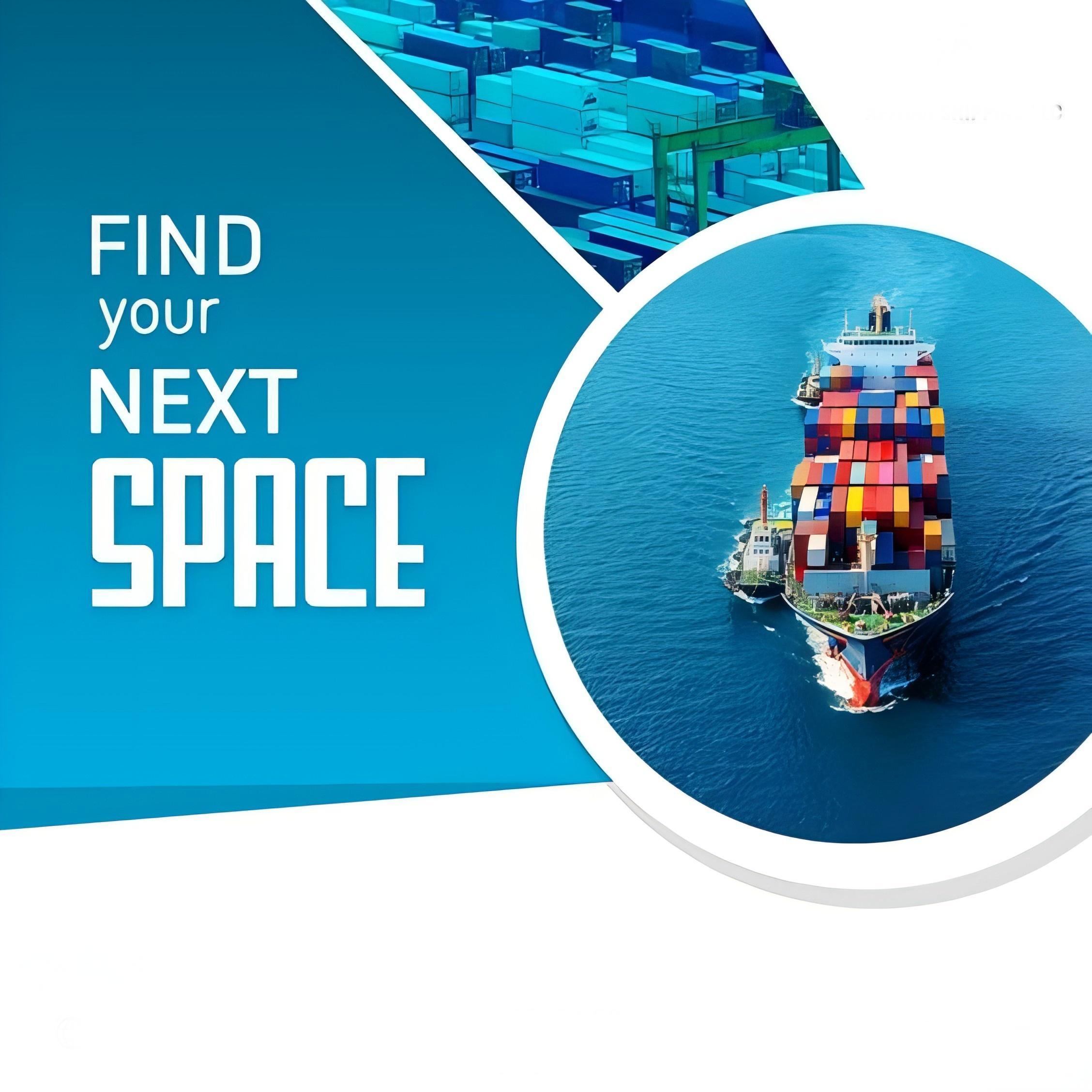
Initially, you must realize that a full container load (FCL) inspection involves US Customs and Border Protection (CBP) verifying the contents of your shipment. This process ensures that all imported goods comply with federal laws and safety regulations. Furthermore, the Port of Los Angeles acts as a primary gateway for transpacific trade, making it a frequent site for these detailed examinations.
Specifically, the inspection can range from a non-intrusive X-ray scan to a full physical unloading of the container. Moreover, the type of inspection assigned depends on various risk factors identified by the Automated Targeting System. Therefore, importers must anticipate these checks as a standard part of the transpacific logistics cycle.
Understanding the Protocols of China FCL Cargo Inspection to Los Angeles
Moreover, professional customs brokerage services are essential for managing the documentation required during these inspections. They help ensure that your commercial invoice, packing list, and bill of lading are perfectly aligned with the cargo. Additionally, any discrepancies in these documents can trigger a more intensive and time-consuming physical exam.
Actually, the Container Security Initiative (CSI) allows US Customs to inspect high-risk containers at the port of origin in China before they even depart. However, this does not exempt the cargo from further scrutiny upon arrival in Southern California. Consequently, maintaining transparency with your freight forwarder is the best way to avoid unexpected holdups during the process.
How Does China FCL Cargo Inspection to Los Angeles Affect Transit Times?
Logistics managers frequently worry about how an unexpected inspection will impact their delivery schedule. Generally, a Vacis Exam or X-ray scan might only add 24 to 48 hours to the total transit time. Nevertheless, a full Intensive Exam can delay your shipment by a week or more depending on port congestion.
Reliable data suggests that the Port of Los Angeles remains one of the busiest hubs in the world. As a result, the availability of labor at the Customs Examination Site (CES) directly dictates how quickly your container returns to the terminal. Indeed, planning for a buffer in your delivery timeline is a strategic necessity for modern importers.
| Inspection Type | Average Time | Typical Cost | Intrusiveness |
|---|---|---|---|
| VACIS (X-Ray) | 1-2 Days | $150 – $350 | Low |
| Tailgate Exam | 2-3 Days | $250 – $500 | Medium |
| Intensive Exam | 5-10 Days | $1,000 – $2,500 | High |

How Does FCL Compare to Other Shipping Options?
Every importer must weigh the benefits of FCL against other methods like LCL or air transport. While sea freight offers the best economy for large volumes, the inspection process for FCL is often more straightforward than LCL. In an LCL shipment, one suspicious package can cause the entire container to be held, affecting multiple businesses.
Furthermore, air freight provides the fastest speeds but comes at a significantly higher cost per kilogram. If your priority is budget, FCL remains the champion for shipments exceeding 15 cubic meters. Meanwhile, the security of a sealed FCL container reduces the risk of damage during the inspection phase compared to consolidated loads.
| Shipping Method | Cost Range | Transit Time | Best For |
|---|---|---|---|
| FCL Sea Freight | $2,500 – $4,500 | 14-22 Days | Large Volume |
| LCL Sea Freight | $100 – $300/CBM | 20-28 Days | Small Batches |
| Air Freight | $5 – $12 / KG | 3-7 Days | Urgent Goods |
Navigating the Port of Los Angeles Customs Environment
Navigating the regulatory landscape in North America requires local expertise and constant communication. Since the Port of Los Angeles handles millions of TEUs annually, the customs infrastructure is highly advanced but also very strict. Therefore, ensuring your ISF filing is submitted at least 24 hours before departure from China is a non-negotiable requirement.
Notably, the Customs Examination Sites in Los Angeles are private facilities authorized by the government to handle physical inspections. This means you will be responsible for the drayage costs to move the container from the terminal to the CES. Consequently, budgeting for these potential ancillary charges is a hallmark of a prepared importer.
Real World Case Studies: China to Los Angeles
Case Study 1: Electronics from Shenzhen to Los Angeles. A tech company shipped a 40HQ container of consumer electronics via a major carrier. The total ocean freight was $3,200 with a sea transit time of 16 days. Unfortunately, the container was flagged for an Intensive Exam at the Port of Los Angeles. This added $1,800 in fees and 7 days to the timeline, but the cargo arrived safely after the customs clearance process was completed.
Case Study 2: Furniture from Ningbo to Los Angeles. A retailer imported a 20GP container of wooden furniture with a landed cost of $2,400. Because they utilized a direct transpacific route, the transit time was only 15 days. By ensuring all wood treatment certifications were included in the documentation, they passed a Tailgate Exam in just 48 hours without any significant delays. These examples illustrate the importance of documentation accuracy in the China FCL cargo inspection to Los Angeles process.

Which Option Should You Choose?
Deciding on the best shipping strategy depends on your specific business priorities and cargo type. If you prioritize budget, then FCL via sea freight is the most logical choice for full container volumes. On the other hand, if you are shipping high-value or time-sensitive items, air freight might be worth the premium to bypass sea port congestion.
Additionally, many sellers using Amazon FBA prefer FCL for its better handling and lower risk of loss during the inspection phase. Using a door to door service can also simplify the process by having one provider manage both the ocean leg and the final delivery after inspection. Ultimately, your choice should align with your inventory turnover rate and profit margins.
How to Prepare for China FCL Cargo Inspection to Los Angeles
Preparing your shipment involves more than just packing the container correctly. You must verify that every item listed on the packing list is physically present and labeled according to US regulations. For instance, the country of origin markings must be clear and permanent to avoid issues with customs agents.
Moreover, working with an experienced logistics partner can help you identify potential red flags before the cargo leaves China. They can perform pre-shipment inspections to ensure the load matches the paperwork exactly. Therefore, investing in quality control at the origin can save thousands of dollars in inspection fees at the destination.
Summary of Success for China FCL Cargo Inspection to Los Angeles
To summarize, navigating the China FCL cargo inspection to Los Angeles requires a proactive approach and a deep understanding of customs regulations. By preparing accurate documentation and choosing the right shipping partners, you can minimize the risks of delays and extra costs. Remember that while inspections are a standard part of international trade, they do not have to disrupt your business operations.
Reliable logistics providers like China Top Freight are here to guide you through every step of the process. Whether you are dealing with a simple X-ray or a complex physical exam, having experts on your side makes all the difference. Stay informed about market trends and maintain flexibility in your delivery schedules to achieve long-term success in the transpacific market.

Ready to streamline your logistics?
Ensure your next China FCL cargo inspection to Los Angeles is handled with professional precision. Contact our expert team today for a customized quote and comprehensive logistics support to keep your supply chain moving without unnecessary delays. Visit our website to learn more about our specialized shipping solutions.
Request Quote