

Importers choosing China FCL CIF shipping to Europe often struggle with unclear cost structures, variable transit times, and complex customs procedures. Because CIF places responsibility on the seller to cover cost, insurance, and freight, buyers must still manage destination charges carefully. This guide explains every step of the CIF process and provides practical ways to reduce delays and optimize your Europe-bound supply chain.
1. What Does China FCL CIF Shipping to Europe Mean?
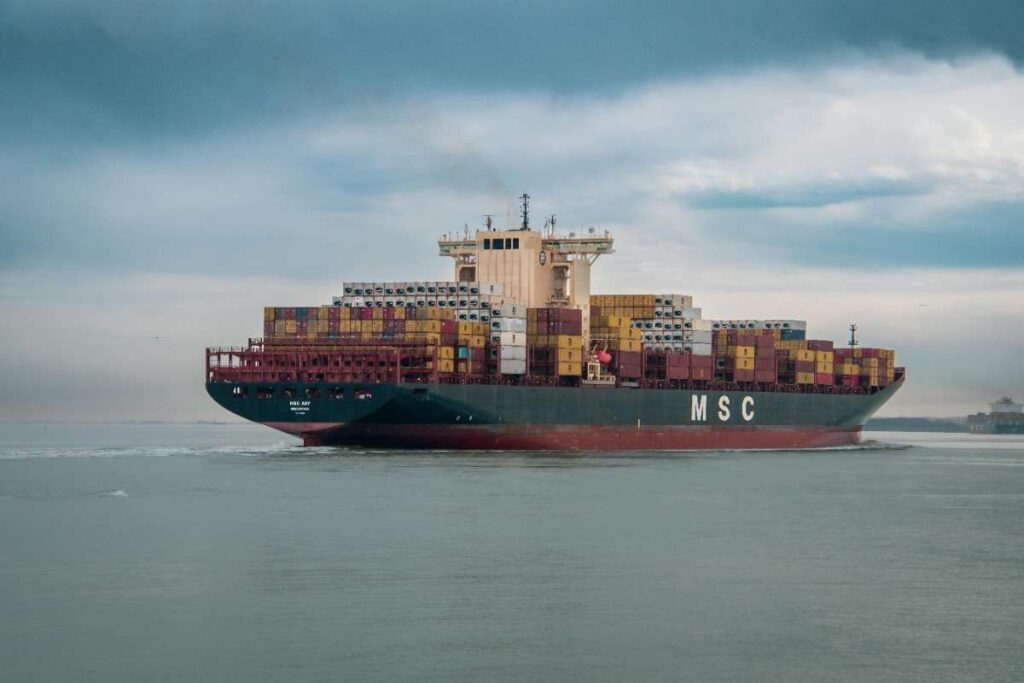
CIF—Cost, Insurance, and Freight—is an Incoterm widely used for ocean and rail shipments. Under CIF, sellers in China cover the cost of freight and insurance up to the European port. However, buyers are responsible for destination port charges, customs clearance, and inland delivery.
Key responsibilities
- Seller: Export customs, freight, insurance, origin trucking
- Buyer: Destination terminal charges, customs duty, VAT, inland delivery
Therefore, buyers must understand CIF clearly to avoid unexpected expenses.
Long-tail keywords included: CIF freight meaning, CIF Europe import process, China export CIF terms, FCL CIF contract details.
2. How Does CIF Compare with FOB for Europe-Bound FCL Shipments?
FOB and CIF differ significantly in risk transfer and cost responsibilities. Moreover, many European importers choose CIF for simplicity, although it may include higher freight charges.
Table 1: CIF vs FOB Comparison
| Factor | CIF (Cost, Insurance & Freight) | FOB (Free on Board) |
|---|---|---|
| Freight Cost Control | Lower (seller decides) | Higher (buyer chooses carrier) |
| Insurance | Included | Buyer purchases |
| Origin Charges | Seller pays | Split depending on agreement |
| Destination Charges | Buyer pays | Buyer pays |
| Transparency | Medium | High |
CIF is convenient but sometimes more expensive because freight rates are controlled by the supplier.
3. What Shipping Methods Support China FCL CIF Shipping to Europe?
Because “Europe” is broad, importers can choose among several reliable transportation modes. Moreover, combining sea and rail options helps maintain flexibility during peak seasons.
Table 2: Shipping Methods for China → Europe
| Mode | Cost Level | Transit Time | Best For | Notes |
|---|---|---|---|---|
| Sea Freight FCL | Low | 28–40 days | Large volumes, stable delivery | Standard CIF method |
| China–Europe Rail FCL | Medium | 15–22 days | Time-sensitive shipments | Available to Germany, Poland, Netherlands, Czech, etc. |
| Air Freight | Very High | 3–7 days | Urgent or high-value goods | Not typical for full containers |
| Sea–Rail Intermodal | Medium | 20–28 days | East Europe destinations | Flexible schedule, less congestion |
4. Which European Destinations Work Best for CIF FCL Shipping?
Different ports offer varying speeds, handling quality, and inland connectivity. Therefore, choosing the right port significantly improves efficiency.
Major CIF destinations
- Germany: Hamburg, Bremerhaven (rail + sea hub)
- Netherlands: Rotterdam (fastest customs & trucking network)
- Belgium: Antwerp (ideal for chemicals, machinery, electronics)
- Poland: Gdansk/Gdynia + rail intermodal
- Spain: Valencia (southern Europe distribution)
- Italy: Genoa (Mediterranean routing)
5. What Are the CIF Transit Times from China to Europe?
Transit times vary based on shipping method, route, and season. Additionally, rail lines can offer a faster alternative to ocean freight.
Table 3: Transit Time Comparison
| Origin (China) | Destination (Europe) | Mode | ETA |
|---|---|---|---|
| Shanghai | Rotterdam | Sea | 32–38 days |
| Shenzhen | Hamburg | Sea | 28–34 days |
| Ningbo | Antwerp | Sea | 34–40 days |
| Chengdu | Warsaw | Rail | 14–18 days |
| Xi’an | Hamburg | Rail | 15–20 days |
| Chongqing | Duisburg | Rail | 16–22 days |
What are you waiting for?
Contact chinatopfreight for a fast, free quote.
Are you ready to book?
Access live instant freight quotes
6. What Costs Should Importers Expect Under CIF Terms?
Under CIF, the seller pays the major freight portion, but buyers must budget for essential destination fees. Moreover, EU ports have strict fee structures.
Typical CIF buyer fees
- THC (Terminal Handling Charges)
- ISPS security fee
- Documentation charges
- Customs declaration fee
- Duty & VAT
- Trucking or rail inland delivery
- Warehousing (if applicable)
7. How Do Customs Procedures Work for CIF Imports into Europe?
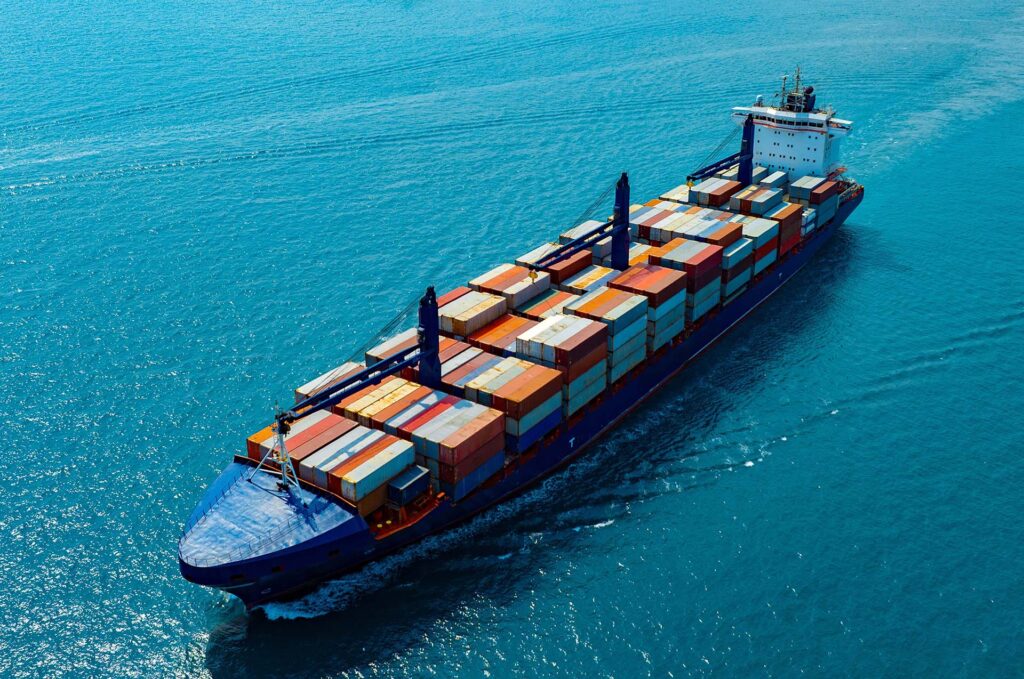
Every European country follows EU-wide customs rules, although local procedures may differ. Accurate documentation ensures quicker clearance and prevents storage charges.
Table 4: EU Customs Documents Checklist
| Document | Purpose | Notes |
|---|---|---|
| Commercial Invoice | Declares value | Must list HS codes & Incoterm |
| Packing List | Confirms cargo details | Needed for inspection |
| Bill of Lading | Proof of freight | Must match final consignee |
| Insurance Certificate | CIF requirement | Provided by seller |
| Arrival Notice | Issued by carrier | Needed for clearance |
| Import Declaration (EU Entry) | Customs entry | Often handled by broker |
8. Why Do Some Importers Prefer Rail FCL for CIF Shipping?
Rail freight is becoming a major part of the China–Europe supply chain. Because it reduces transit time by half compared to sea freight, many companies use rail for time-sensitive products such as electronics, auto parts, and machinery.
Rail FCL advantages
Faster than sea shipping
More stable schedules in winter
Lower carbon footprint
Reliable temperature-controlled options
Smooth delivery to inland European hubs:
Hamburg
- Warsaw
- Duisburg
- Budapest
- Tilburg
However, rail is more expensive than sea freight and may require transloading to trucks.
9. How Can Importers Reduce Delays and Hidden Costs in CIF Shipping?
To maintain predictable delivery schedules, buyers must actively manage communication and documentation.
Practical delay-prevention strategies
- Request the vessel schedule early
- Confirm packing list before shipment
- Track container status weekly
- Prepare customs documents before arrival
- Book inland trucking 3–5 days in advance
- Use digital tracking platforms
- Avoid peak-season congestion (Oct–Dec)
Because CIF shifts control to the seller, buyers must monitor shipment progress closely.
10. Should Importers Negotiate CIF Terms with Chinese Suppliers?
Yes. Negotiating the CIF contract can significantly reduce supply chain risks. Moreover, aligning responsibilities ensures both sides manage the shipment effectively.
What to negotiate
- Agreed freight forwarder
- Extra insurance coverage
- Extended free time at destination
- Transparent freight rate breakdown
- Routing preference (direct vs transshipment)
- Rail vs sea option availability
- Penalties for delays due to inaccurate documents
Conclusion
Choosing China FCL CIF shipping to Europe provides a straightforward shipping structure, especially when suppliers manage freight and insurance. However, buyers must still understand destination fees, customs procedures, and inland delivery requirements. Moreover, using a combination of sea, rail, and intermodal routes can increase flexibility and reduce overall lead times. By negotiating clear CIF terms, monitoring shipment status, and preparing documents early, importers can maintain a smooth, predictable supply chain across Europe.
FAQ
1. Is CIF a good choice for first-time importers from China?
Yes, CIF simplifies the origin-side process because the supplier handles freight and insurance. However, importers must still control customs and destination port charges carefully.
2. Can FCL CIF shipments use China–Europe rail freight?
Yes, rail is fully feasible for many European countries including Germany, Poland, and the Netherlands. It offers faster transit and more predictable schedules than sea shipping.
3. What hidden charges should importers expect under CIF terms?
Buyers must pay destination terminal charges, customs duty, VAT, documentation fees, and inland delivery costs. These expenses vary by European port and cargo type.
4. How can importers track CIF shipments from China?
Tracking can be done through carrier websites, freight forwarder platforms, and digital shipment portals. Regular updates help prevent delays and reduce storage risks.
5. Does CIF include door delivery in Europe?
No, CIF covers only up to the destination port. Buyers must arrange customs clearance, inland trucking or rail delivery, and final warehouse handling.