

- By kelly
- November 26, 2025
- Logistics Guide
China FCL Customs Clearance to New York: Everything You Need to Know

Shipping full container loads (FCL) from China to New York involves more than just choosing a vessel. The process of China FCL customs clearance to New York can present challenges, such as strict documentation requirements, unpredictable delays, and compliance issues. However, with the right strategy, logistics partner, and documentation, you can streamline the process and minimize risks.
1. What Is FCL Shipping and Why Is It Ideal for China to New York?
FCL (Full Container Load) means your goods occupy an entire container, typically 20GP, 40GP, or 40HQ. It’s ideal for larger shipments due to cost-efficiency per unit and minimal risk of cargo damage.
Benefits of FCL Shipping:
- Cost-effective per CBM for larger cargo
- Faster transit time with fewer handling stops
- Reduced risk of contamination or loss
Moreover, when shipping from major Chinese ports like Shanghai, Shenzhen, or Ningbo to New York (Port Newark or NYC), FCL provides optimal efficiency for importers managing high-volume goods.
2. How Does China FCL Customs Clearance to New York Work?
The customs clearance process includes both export clearance in China and import clearance in the U.S. This involves multiple documents, inspections, duties, and coordination.
Key Steps:
- Pre-shipment compliance check
- China export customs declaration
- Ocean freight to Port of New York/Newark
- U.S. import clearance via CBP (Customs and Border Protection)
- Delivery to final destination
Delays often occur when documentation is incomplete or non-compliant, so it’s vital to follow standard protocols and work with experienced freight forwarders.
3. What Documents Are Required for FCL Customs Clearance?
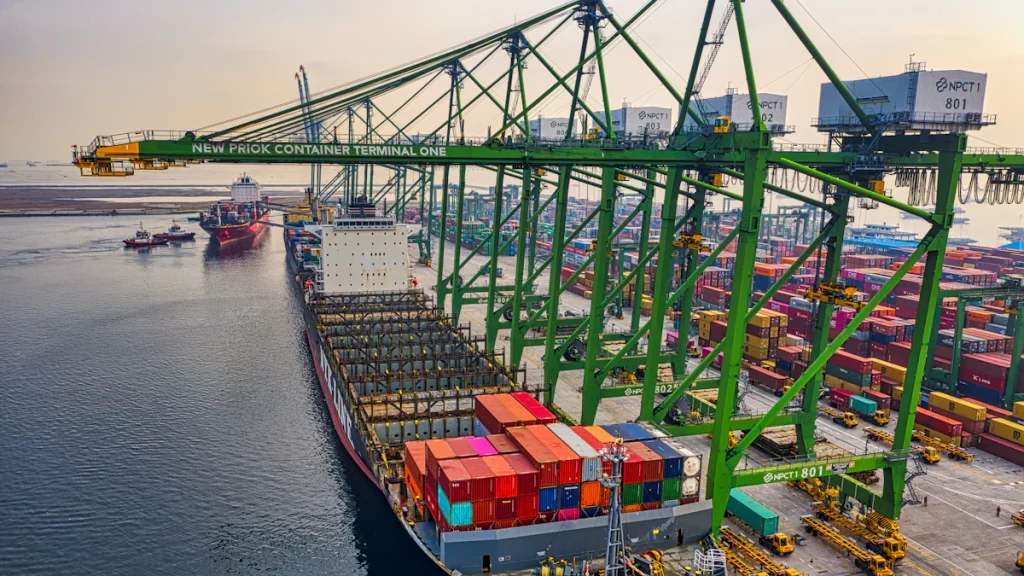
The following paperwork is essential for China FCL customs clearance to New York:
Customs Documents Checklist
| Document | Purpose | Issued By |
|---|---|---|
| Commercial Invoice | Declares value of goods | Seller/Exporter |
| Packing List | Details of cargo layout | Shipper |
| Bill of Lading | Proof of contract and shipment | Carrier or Freight Forwarder |
| Certificate of Origin | Validates product origin | Chamber of Commerce |
| Importer Security Filing (ISF) | U.S. pre-arrival cargo data requirement | Importer or agent |
| Arrival Notice | Notifies consignee of container arrival | Shipping Line |
| Customs Bond | Guarantees payment of duties/taxes | Surety Company |
Failing to submit ISF at least 24 hours before departure from China may result in fines and cargo delays.
4. How Long Does It Take to Clear Customs from China to New York?
Transit time and clearance duration vary based on port congestion, seasonality, and documentation accuracy.
FCL Shipping Timeline: China to New York
| Step | Estimated Duration |
|---|---|
| Inland haulage & China export docs | 2–4 days |
| Ocean transit (Shanghai–NYC) | 26–32 days |
| U.S. customs clearance | 2–5 days |
| Final delivery (drayage) | 1–3 days |
| Total | 31–44 days |
However, using fast customs brokers and submitting documents early can reduce the total timeline significantly.
5. What Are the Costs Involved in China FCL Customs Clearance to New York?
Costs vary depending on cargo volume, incoterms, container type, and customs duties.
Estimated FCL Shipping Costs (China to New York)
| Cost Element | 20GP (USD) | 40GP/40HQ (USD) |
|---|---|---|
| China port/local charges | $200–$300 | $350–$500 |
| Ocean freight (base rate) | $2,000–$3,500 | $3,200–$4,800 |
| U.S. customs clearance | $150–$300 | $150–$300 |
| Drayage (Newark to NYC) | $500–$800 | $600–$1,000 |
| Customs duties/tariffs | Varies | Varies |
| Total (est.) | $2,850+ | $4,300+ |
Additional charges like ISF filing, customs bond, and demurrage may apply depending on the situation.
6. What Are the Most Common Issues with FCL Customs Clearance?
Even experienced shippers face challenges when dealing with FCL customs clearance:
- Late ISF filing leading to CBP penalties
- Incorrect HS codes causing reclassification delays
- Unclear invoice descriptions raising red flags
- Lack of customs bond when required for higher-risk shipments
- Congestion at New York port especially during peak seasons
Proactive planning and working with a customs broker mitigates most of these risks.
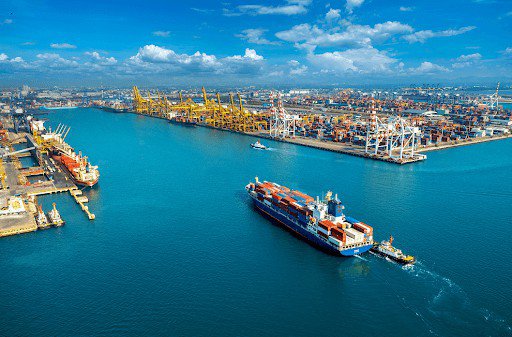
7. How to Avoid Demurrage and Detention Charges in New York?
Demurrage (port storage) and detention (container usage) charges can add up quickly. Therefore, it’s critical to manage timelines carefully.
Tips to Avoid Extra Fees:
- File ISF at least 48 hours before departure
- Arrange pre-clearance with a customs broker
- Monitor container arrival via tracking systems
- Schedule drayage immediately after customs release
- Use Free Time efficiently (usually 4–7 days)
8. Should You Use a Freight Forwarder for FCL Customs Clearance?
Absolutely. Partnering with a professional freight forwarder simplifies coordination between exporters, carriers, customs, and local truckers.
Benefits of Using Freight Forwarders:
- End-to-end visibility and control
- Proper document preparation
- Accurate duty and tariff calculations
- Real-time issue resolution
- Access to bonded warehouses and distribution centers in New York
A skilled freight forwarder becomes your logistical backbone for successful China-U.S. trade operations.
9. Air vs Sea vs Rail: Which Freight Method Fits Your Supply Chain?
Though FCL sea freight is ideal for high-volume trade from China to New York, alternatives like air or rail may suit certain scenarios.
Freight Mode Comparison
For most B2B shipments to NYC, sea freight via FCL is still the most balanced choice in terms of cost and scalability.
10. How Can You Track Your FCL Shipment from China to New York?
Real-time shipment tracking tools have become vital for importers.
Key Tracking Options:
- Carrier websites (e.g., COSCO, MSC)
- Freight forwarder portals
- GPS-enabled container tracking
- Port authority systems (e.g., Port of NY/NJ)
Tracking ensures transparency across the supply chain and allows you to anticipate delays or make proactive delivery arrangements.
📦Get a Free Quote
Efficient China FCL customs clearance to New York starts with smart planning. If you’re looking to optimize your logistics, reduce clearance delays, and improve your bottom line, our experienced team is here to help. Request a customized quote or contact us for tailored solutions that suit your cargo type and schedule.
❓ Frequently Asked Questions
1. What is ISF and why is it important?
ISF (Importer Security Filing) is required for U.S. ocean imports and must be filed 24 hours before vessel departure to avoid penalties.
2. Can I clear customs in New York before cargo arrives?
Yes, pre-clearance is possible if all documents are submitted early. This speeds up the release process once cargo lands.
3. How long does U.S. customs clearance take?
Typically 2–5 business days if documents are in order. Peak seasons or inspections may extend this timeline.
4. Do I need a customs broker for FCL clearance?
It’s not mandatory, but strongly recommended. Brokers ensure compliance, minimize errors, and expedite clearance.
5. What are demurrage and detention fees?
Demurrage is charged for port storage, while detention is for holding the container too long after pickup. Both can be avoided with planning.
Conclusion
Shipping FCL cargo from China to New York doesn’t have to be complex. With the right knowledge, proper documentation, and a reliable freight partner, China FCL customs clearance to New York can be both smooth and cost-effective. Always plan ahead, stay compliant with U.S. customs regulations, and use professional support where needed. This way, your goods will reach their destination on time—without surprises.