

Managing China FCL customs clearance to UK has become more complex as regulations evolve, trade volumes surge, and UK border requirements tighten after Brexit. Moreover, importers now face stricter documentation checks, increased compliance responsibilities, and inconsistent port congestion that can easily trigger delays. Therefore, having a clear strategy for FCL customs clearance is essential to maintain smooth, predictable supply-chain operations.
What Does China–UK FCL Customs Clearance Involve?
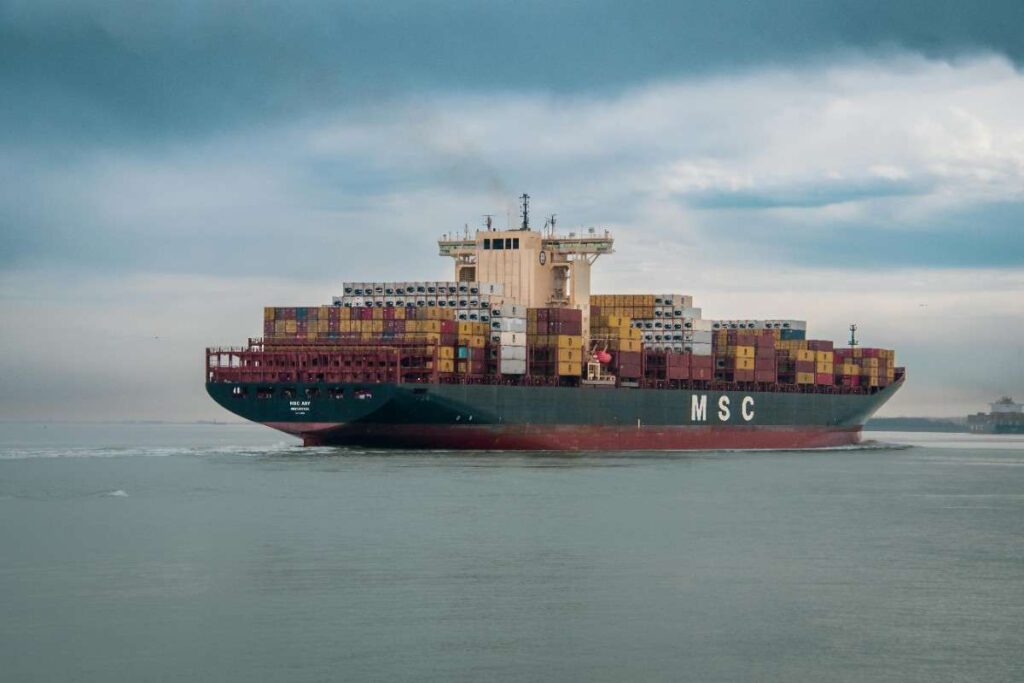
Customs clearance for full container load (FCL) shipping includes document preparation, tariff classification, duty calculation, safety/security declarations, and compliance checks. Although the process seems straightforward, clearance accuracy is critical because a single documentation error may trigger extra inspections, storage charges, or shipment delays.
Core Components of FCL Customs Clearance
Accurate Tariff Classification (HS Codes)
Correct HS codes ensure proper duty and VAT calculation and reduce the risk of post-clearance audits.
Commercial and Shipping Documents
Invoice, packing list, bill of lading, and origin documents must align perfectly.
UK Safety & Security Requirements
ENS (Entry Summary Declaration) must be completed before cargo arrival to avoid penalties.
Port Health & Standards Checks
Certain goods require special clearance from UK agencies like Port Health, Trading Standards, or DEFRA.
Because each stage requires precision, importers shipping from China must prepare documents carefully and check for consistency.
Why Is Customs Clearance from China to UK Challenging After Brexit?
Although the UK has adjusted many border procedures, China-origin shipments remain under strict controls, especially for high-risk commodities. Moreover, additional checks may apply depending on commodity type, documentation accuracy, and shipping routes.
Key Post-Brexit Challenges
More Frequent Documentation Audits
UK customs now performs additional checks to verify valuation, origin, and classification.
Higher Penalties for Inaccurate Declarations
Incorrect values or HS codes may result in delays or fines.
Stricter Food, Chemical, and Electronics Rules
Relevant shipments may undergo additional compliance checks or port health controls.
Longer Clearance Times During Peak Season
Seasonal spikes and port congestion often worsen delays.
Because of these challenges, smooth customs clearance requires early planning and strong documentation control.
Which Documents Are Required for China FCL Customs Clearance to UK?
Accurate documentation is central to successful clearance. Moreover, incomplete or inconsistent documentation is the number-one cause of cargo holds.
China–UK Customs Documentation Checklist
Table 1 — Required Documents for China → UK FCL Imports
| Document | Mandatory | Purpose |
|---|---|---|
| Commercial Invoice | ✓ | Customs valuation & duty calculation |
| Packing List | ✓ | Verifies weight, volume, goods breakdown |
| Bill of Lading | ✓ | Proof of shipment & FCL container details |
| Certificate of Origin | Optional | Required when claiming preferences |
| Sales Contract | Optional | Supports invoice accuracy |
| HS Code Declaration | ✓ | Determines duties, VAT, and inspections |
| ENS (Safety Declaration) | ✓ | Required pre-arrival into UK |
| Additional Certificates | Depends on goods | For food, chemicals, electronics |
Because customs will match every detail, consistency across these documents is essential.
What are you waiting for?
Contact chinatopfreight for a fast, free quote.
Are you ready to book?
Access live instant freight quotes
What Are the Costs Involved in China–UK Customs Clearance?
Although shipping costs attract most attention, customs-related charges can also add up quickly. Therefore, importers must consider clearance fees, duties, VAT, port charges, inspection fees, and delivery costs.
Typical China–UK Customs Clearance Costs
Table 2 — Estimated UK Customs Clearance Costs
| Cost Type | Range (GBP) | Notes |
|---|---|---|
| Customs Entry Fee | £35–£90 | Charged by the broker |
| Duty Tax | 0%–25% | Based on HS code |
| UK VAT | 20% | Calculated on CIF value |
| Port Charges | £50–£150 | Terminal handling fees |
| Inspection Fees | £80–£200 | Depends on inspection type |
| Delivery Order (DO) Fee | £35–£80 | Carrier release fee |
| ENS Filing | £25–£40 | Mandatory pre-arrival |
Because each cost influences profitability, many importers rely on coordinated freight and clearance solutions to minimize unexpected fees.
How Long Does FCL Customs Clearance to the UK Take?
Transit times vary based on shipping route, carrier schedules, and customs procedures. However, typical China-to-UK customs clearance times fall within predictable ranges.
Estimated Transit & Clearance Times
Table 3 — Transit & Clearance Duration for China–UK FCL
| Origin Port | Destination Port | Transit Time | Clearance Time |
|---|---|---|---|
| Shanghai | Felixstowe | 29–34 days | 1–3 days |
| Ningbo | Southampton | 31–36 days | 1–3 days |
| Shenzhen | London Gateway | 28–33 days | 1–2 days |
| Qingdao | Liverpool | 33–38 days | 1–3 days |
| Guangzhou | Felixstowe | 30–35 days | 1–3 days |
Because customs clearance is usually quick, documents must be submitted before vessel arrival to avoid delays.
What Causes Delays in China–UK FCL Customs Clearance?
Even one mistake may cause customs to hold a shipment for inspection, extending clearance time and increasing port fees.
Most Common Delay Triggers
Incorrect HS Codes
Wrong classification leads to re-evaluation or inspection.
Inaccurate Valuation
Under-valued or over-valued invoices attract audits.
Mismatched Packing Lists
Differences between documentation and physical cargo cause delays.
Late ENS Filing
Missing or late ENS submissions automatically trigger entry holds.
Port Congestion During Peak Season
Delays at major UK ports can slow cargo flow.
Because delays are expensive, preventing documentation errors is critical.
How Does FCL Compare with LCL for Customs Clearance to UK?

Many importers wonder whether FCL or LCL is easier for customs clearance. Although both methods work, FCL generally offers faster and simpler clearance.
Comparison Table: FCL vs LCL for China–UK Imports
Table 4 — FCL vs LCL Clearance Comparison
| Factor | FCL | LCL |
|---|---|---|
| Customs Clearance Speed | Faster | Slower (shared container) |
| Risk of Documentation Errors | Lower | Higher (multiple shippers) |
| Inspection Probability | Medium | High |
| Storage Charges | Predictable | Variable |
| Best for | High-volume shipments | Small/medium cargo |
Therefore, importers with consistent volume often prefer FCL shipping for speed, predictability, and lower customs risks.
How to Prepare Documents Correctly for China–UK FCL Customs Clearance?
Preparation determines whether clearance is fast or delayed. Therefore, importers must verify documents before submitting them.
Document Preparation Best Practices
Ensure Exact Consistency Across All Documents
Invoice, packing list, B/L, and HS codes must match.
Include Detailed Product Descriptions
Vague descriptions increase the chance of customs exams.
Prepare Certificates for Sensitive Goods
Electronics, chemicals, supplements, and machinery may require additional documents.
Provide Accurate Weight and Dimensions
Discrepancies trigger red flags.
Because document accuracy directly affects clearance time, a structured review process is necessary.
How Can Importers Reduce the Risk of UK Customs Inspections?
Although inspections cannot be eliminated, importers can minimize the risks by improving compliance and documentation standards.
Inspection Avoidance Strategies
Use Correct HS Codes from Verified Sources
Misclassified goods are the number-one trigger of inspections.
Maintain Strong Compliance History
Consistent documentation accuracy reduces exam frequency.
Avoid Under-Valuation
Suspiciously low prices attract immediate customs attention.
Use Freight Forwarders with UK Clearance Expertise
Experienced professionals know UK customs behavior patterns.
Because inspections add cost and time, lowering their frequency saves money and improves supply-chain reliability.
How Do Incoterms Influence China–UK Customs Clearance?
Incoterms determine who is responsible for clearance, duties, and logistics tasks.
Impact of Incoterms
EXW / FOB
Importer handles clearance and pays all duties.
DDP
Seller covers clearance and taxes, but may cause delays due to non-local brokers.
CIF
Importer manages clearance; seller arranges shipping.
Therefore, choosing the right Incoterms helps avoid miscommunication and clearance problems.
Conclusion
Efficient China FCL customs clearance to UK requires accurate documentation, correct HS classification, proactive ENS filing, and strong compliance practices. Moreover, choosing the right port, Incoterms, and customs broker significantly influences clearance speed and costs. Therefore, importers who prioritize documentation accuracy, early submission, and coordinated freight management enjoy smoother, faster, and more predictable China–UK supply-chain operations.
FAQ
1. How long does UK customs clearance take for China FCL shipments?
Most China–UK FCL shipments clear within 1–3 days, although delays may occur due to documentation errors, peak-season congestion, or customs inspections depending on the cargo type.
2. Do I need a Certificate of Origin for China-to-UK imports?
Not always. Certificates of Origin are only required when claiming preferential duty rates or for specific regulated goods, depending on your commodity type.
3. Can UK customs reject incorrect HS codes?
Yes. Incorrect HS codes may trigger reclassification, penalties, or customs holds, so importers should validate codes with reliable sources before submitting entries.
4. What goods face higher inspection risk in the UK?
Electronics, chemicals, supplements, food products, and high-value goods typically face higher inspection rates because they require additional compliance checks.
5. Are ENS declarations mandatory for China–UK shipments?
Yes. ENS declarations are required before arrival. Missing or late submissions may cause entry holds, delaying container release at the destination port.