

China FCL DDU Shipping to Sweden: Your Complete Guide
Navigating international logistics can be complex, particularly when importing full container loads (FCL) from China to Sweden with Delivered Duty Unpaid (DDU) terms. This comprehensive guide will demystify the process, highlighting key considerations and offering practical solutions for a seamless supply chain. For expert assistance with your international shipping needs, visit China Top Freight.
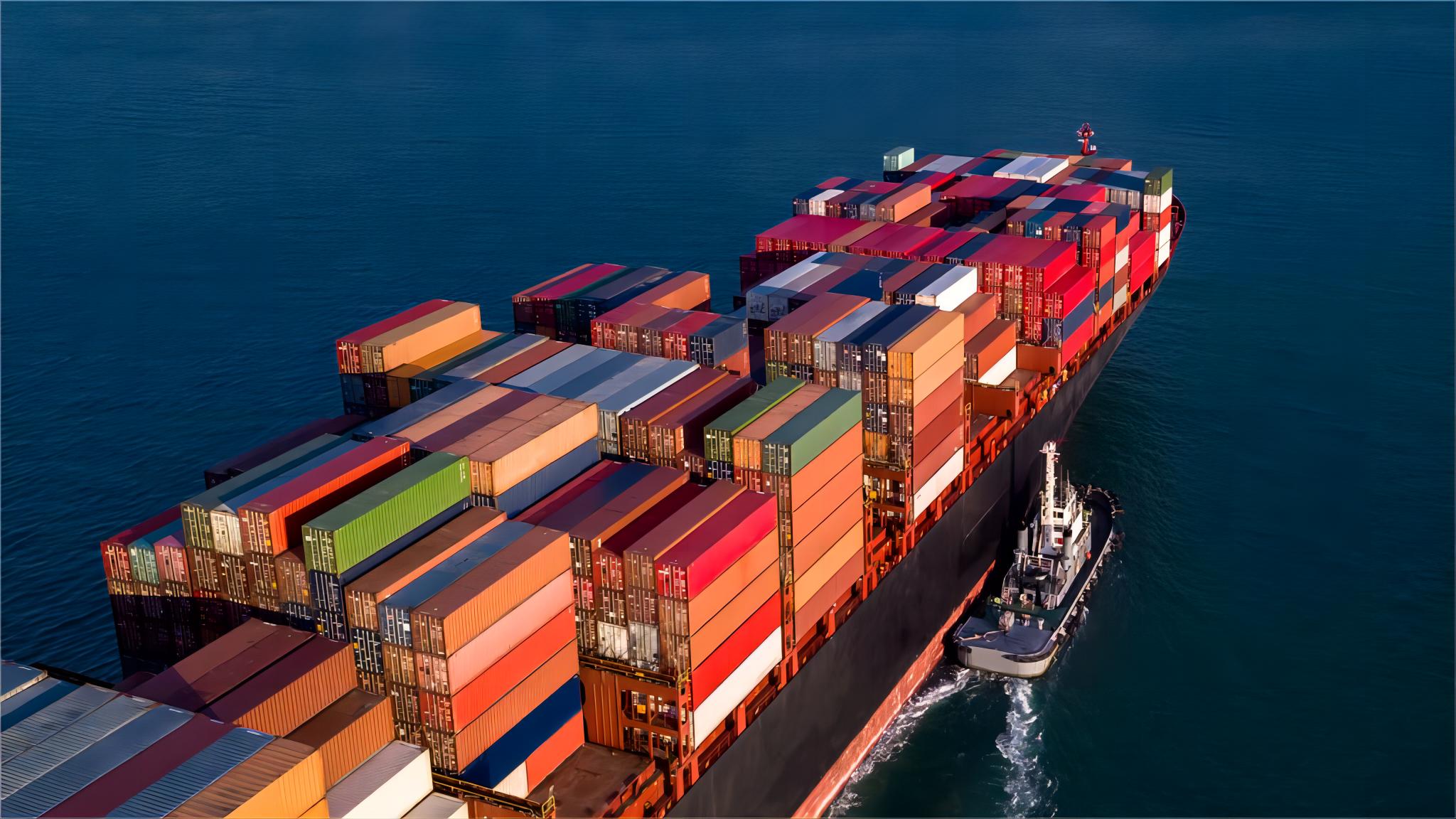
What is FCL DDU Shipping from China to Sweden?
FCL stands for Full Container Load, meaning your goods occupy an entire shipping container, such as a 20GP or 40HQ. This method is generally more cost-effective for larger volumes. Consequently, it offers better security and faster transit times compared to Less than Container Load (LCL) shipments.
DDU, or Delivered Duty Unpaid, signifies that the seller delivers the goods to the buyer’s specified destination in Sweden. However, the buyer is responsible for import duties, taxes, and any customs clearance fees upon arrival. Understanding these Incoterms is crucial for managing your import costs and responsibilities.
Why Choose FCL DDU for Shipping to Sweden?
Choosing FCL DDU for your China to Sweden shipments offers several distinct advantages, especially for businesses with established import procedures. Firstly, it provides greater control over customs clearance and duty payment, which can be beneficial for optimizing cash flow. Moreover, it allows importers to utilize their preferred local customs broker.
Additionally, FCL shipments often experience fewer delays at ports because they do not require consolidation or deconsolidation with other cargo. Therefore, this can lead to more predictable sea freight transit times. Ultimately, it simplifies cargo handling at the destination, reducing the risk of damage or loss.
How Does China FCL DDU Shipping to Sweden Work?
The process of FCL DDU shipping from China to Sweden involves several key stages, each requiring careful coordination. Initially, goods are loaded into a dedicated container at the origin. Subsequently, the container is transported to the port of loading in China.
Upon arrival in Sweden, the consignee becomes responsible for all import procedures, including customs clearance and paying applicable duties and taxes. Finally, after clearance, the container is delivered to the buyer’s specified location. This ensures a comprehensive door-to-door service, excluding only the final duty payments by the seller.
| Stage | Description | Responsibility |
|---|---|---|
| Origin Logistics | Picking up goods from supplier, loading FCL container, transport to port. | Seller/Freight Forwarder |
| Ocean Transit | Container loaded onto vessel, sailing from China to Sweden. | Carrier/Freight Forwarder |
| Arrival & Unloading | Vessel arrives at Swedish port, container discharged. | Carrier/Port Authority |
| Customs Clearance | Submission of import declaration, payment of duties and taxes. | Buyer/Local Customs Broker |
| Final Delivery | Transport from port to buyer’s warehouse or specified address. | Buyer/Local Logistics Provider |
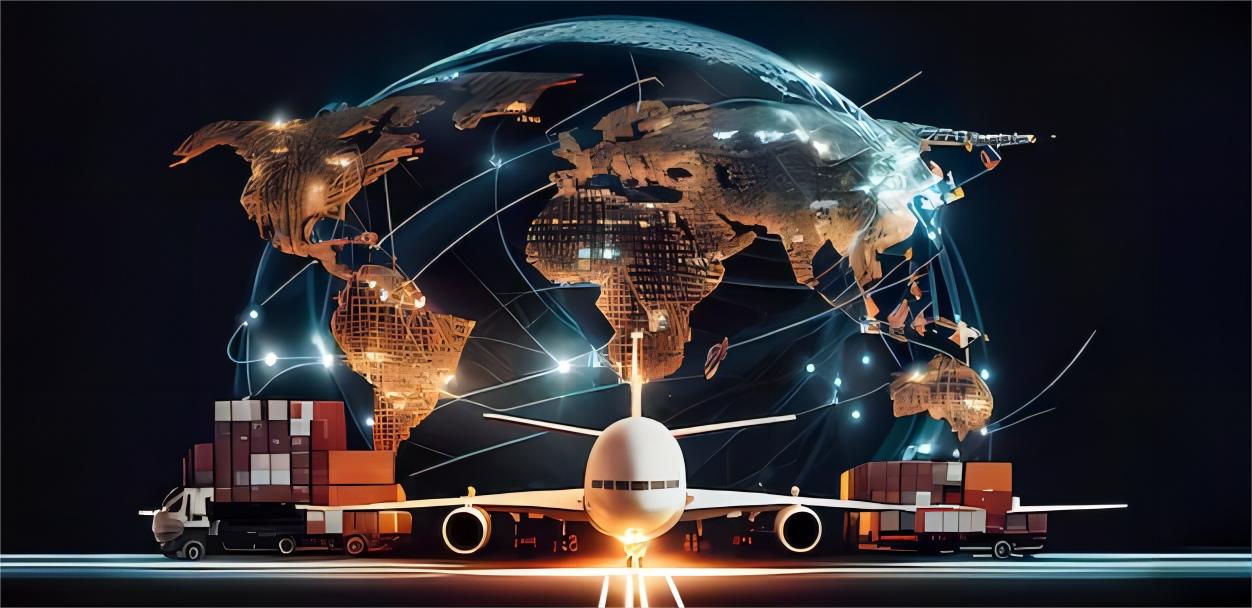
Key Factors Influencing FCL DDU Shipping Costs and Transit Times
Several factors significantly impact the overall FCL DDU shipping costs and transit times from China to Sweden. Firstly, the specific port of loading in China and the port of discharge in Sweden play a major role. Direct routes are typically faster but can be more expensive.
Secondly, global logistics trends, such as fuel prices, carrier capacity, and seasonal demand, directly affect freight rates. For instance, peak seasons like before Chinese New Year or Q4 often see higher prices and longer transit times. Additionally, the type of goods and any special handling requirements can influence costs.
Moreover, the chosen shipping line and their service level will dictate both speed and price. Finally, efficient customs brokerage in Sweden is vital to avoid demurrage or detention charges, which can quickly escalate overall expenses.
Case Study 1: Furniture Import to Stockholm
| Detail | Value |
|---|---|
| Route | Shanghai, China to Stockholm, Sweden |
| Cargo | Flat-pack furniture, 60 CBM, 10,000 kg |
| Container | 1 x 40HQ |
| Shipping Details | Carrier: COSCO, Port of Loading: Shanghai, Port of Discharge: Stockholm, Route Type: Direct |
| Cost Breakdown | Ocean Freight: $3,800, Origin Charges: $450, Destination Charges: $300, Customs & Duties (estimated): $1,200, Total Landed Cost: $5,750 (Based on Q3 2024 market rates) |
| Timeline | Booking to Loading: 5 days, Sea Transit: 32 days, Customs Clearance: 3 days, Total Door-to-Door: 38 days |
| Key Insight | Proactive customs document preparation avoided delays, ensuring swift clearance upon arrival. |
Case Study 2: Electronics Components to Gothenburg
| Detail | Value |
|---|---|
| Route | Shenzhen, China to Gothenburg, Sweden |
| Cargo | Electronics components, 25 CBM, 8,000 kg |
| Container | 1 x 20GP |
| Shipping Details | Carrier: Maersk, Port of Loading: Shenzhen, Port of Discharge: Gothenburg, Route Type: Transshipment via Rotterdam |
| Cost Breakdown | Ocean Freight: $2,200, Origin Charges: $380, Destination Charges: $250, Customs & Duties (estimated): $800, Total Landed Cost: $3,630 (Typical rates as of early 2025) |
| Timeline | Booking to Loading: 4 days, Sea Transit: 35 days, Customs Clearance: 2 days, Total Door-to-Door: 41 days |
| Key Insight | Choosing a slightly longer transshipment route offered a significant cost saving without critical time pressure. |
How Does FCL DDU Compare to Other Shipping Options?
When considering shipping from China to Europe, FCL DDU is just one of several viable options. Understanding the alternatives is crucial for making informed decisions tailored to your specific supply chain needs. On the one hand, air freight offers speed, while LCL provides flexibility for smaller volumes. Each method has its own set of trade-offs regarding cost, speed, and suitability.
For example, while air freight is significantly faster, it comes at a much higher price point, making it suitable only for urgent or high-value, low-volume goods. Conversely, FCL sea freight balances cost-effectiveness with reasonable transit times for larger shipments. Therefore, a comprehensive comparison helps identify the optimal logistics solution.
| Shipping Method | Cost Range (40HQ) | Transit Time | Best For | Limitations |
|---|---|---|---|---|
| FCL Sea Freight (DDU) | $3,000-4,200 | 28-35 days | Large volume, non-urgent, cost-sensitive goods, buyer manages duties | Slower than air, buyer handles customs |
| LCL Sea Freight (DDU) | $80-120/CBM | 35-45 days | Smaller volume (under 15 CBM), non-urgent, buyer manages duties | Longer transit, higher risk of damage, buyer handles customs |
| Air Freight | $15,000-25,000 | 5-7 days | Urgent, high-value, perishable goods, small volume | Very high cost, strict weight/size limits |
| Rail Freight | $8,000-12,000 | 18-22 days | Mid-volume, time-sensitive (faster than sea, cheaper than air) | Limited routes, still requires customs, less capacity than sea |
Which Option Should You Choose for Your China to Sweden Shipment?
Selecting the ideal shipping method depends heavily on your specific priorities and cargo characteristics. Consider these criteria to make the best decision. Indeed, balancing budget, speed, and cargo type is paramount for effective logistics planning.
If budget is your primary concern for large volumes, FCL sea freight DDU is highly recommended. However, for urgent shipments where time is critical, air freight is the undisputed choice, despite its higher cost. For mid-range urgency and cost, rail freight offers a compelling alternative. For instance, if your cargo is fragile or requires specialized handling, FCL provides a dedicated space, minimizing potential risks.
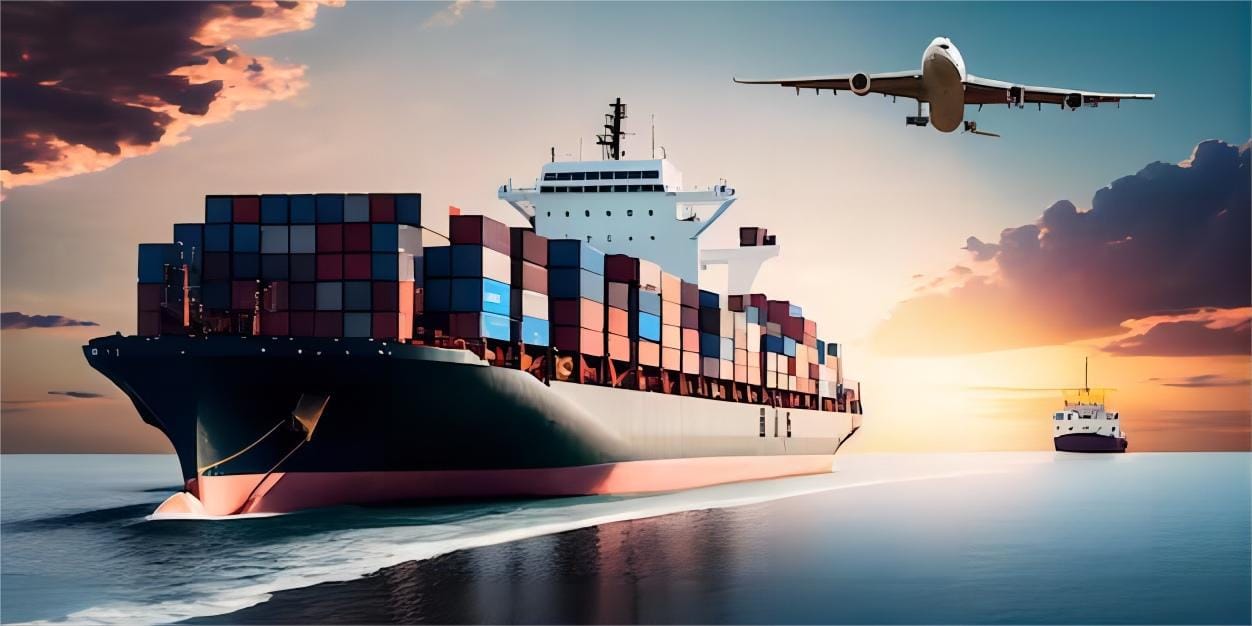
Navigating Customs and Documentation for DDU Shipments to Sweden
Effectively managing customs and documentation is a critical component of successful FCL DDU shipping to Sweden. As the importer, you are responsible for accurate declarations and timely payment of duties and taxes. Consequently, any errors or delays can lead to significant additional costs and disruptions to your delivery schedule.
It is essential to prepare all necessary documents, including the commercial invoice, packing list, bill of lading, and any required permits or certificates. Furthermore, understanding Sweden’s import regulations and VAT requirements is crucial. Engaging a local customs brokerage expert can streamline this complex process and prevent unforeseen issues. This ensures compliance and smooth cargo handling.
Optimizing Your China FCL DDU Supply Chain to Sweden
To optimize your China FCL DDU supply chain to Sweden, several strategies can be employed. Firstly, building strong relationships with reliable freight forwarders is paramount. They can offer competitive freight rates and provide valuable insights into current logistics trends and potential challenges. Moreover, consider consolidating orders to maximize container utilization, thereby reducing per-unit shipping costs.
Secondly, meticulous planning and accurate forecasting of your import needs can help avoid last-minute rush orders, which often incur higher costs, including those for express service. Regular communication with your supplier and freight partner about production schedules and shipping updates is also vital. Finally, continuously review your logistics performance to identify areas for improvement and cost savings, ensuring efficient import/export operations.
Market Context & Price Disclaimer
As of Q1 2025, freight rates from China to Europe have generally stabilized following the significant disruptions of 2024. However, localized port congestion and changes in carrier capacity can still cause fluctuations. Industry average for this route suggests rates can increase by 15-25% during peak seasons, typically from August to October.
Note: Freight rates are subject to change based on fuel costs, carrier capacity, and seasonal demand. Contact us for a current quote tailored to your specific shipment.
Seamless China FCL DDU Shipping to Sweden is Achievable
In conclusion, mastering China FCL DDU shipping to Sweden requires a clear understanding of Incoterms, meticulous planning, and a reliable logistics partner. By carefully considering costs, transit times, and customs responsibilities, businesses can optimize their supply chain and ensure successful delivery of goods. Ultimately, a well-managed FCL DDU strategy can significantly contribute to your operational efficiency and profitability.
Indeed, with the right approach and support, importing from China to Sweden via FCL DDU can be a straightforward and cost-effective endeavor. Focus on proactive communication and expert guidance to navigate the complexities. This ensures your cargo arrives safely and on schedule, underpinning your business success.
Need a tailored shipping solution?
Ready to streamline your China FCL DDU shipping to Sweden? Our team of experts is here to provide tailored logistics solutions and competitive quotes. Contact us today to discuss your specific requirements and ensure a smooth, efficient import process.