

Shipping full container loads from China to New Jersey requires a reliable and cost-effective strategy, especially when delays, customs issues, and rising freight rates disrupt operations. Businesses searching for a China FCL supply chain solution to New Jersey want predictable transit times, transparent costs, and strong coordination across every logistics step.
This article explains how to build a smooth, end-to-end FCL workflow from China to New Jersey while reducing risks and improving delivery efficiency.
What Makes an Effective China FCL Supply Chain Solution to New Jersey?
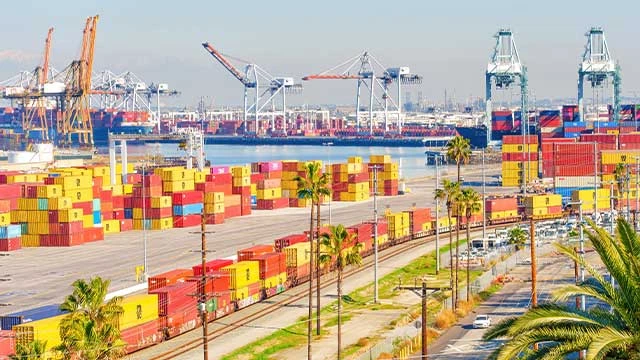
An effective supply chain solution manages every touchpoint from supplier pickup to container final delivery. Moreover, it integrates freight timing, cost optimization, customs compliance, and port operations so importers avoid unnecessary delays such as demurrage or detention.
To ensure reliability, importers must align supplier preparation, container booking, export clearance, sailing schedule planning, and destination delivery timelines.
How Does the China-to-New Jersey FCL Shipping Workflow Operate?
The typical FCL supply chain flow includes:
- Factory pickup and container stuffing
- Export documentation
- Booking with the carrier
- Ocean transit to New Jersey
- U.S. customs clearance
- Last-mile trucking to warehouse
However, each step has cost and timing variables. Therefore, having a unified supply chain partner helps coordinate everything smoothly.
Key Process Steps
- Supplier Cargo Readiness
- Container Type Selection
- Export Customs Filing
- Ocean Freight Planning
- Arrival Port Handling
- Customs Entry
- Domestic Trucking
Which Container Types Support FCL Shipments from China to New Jersey?
Selecting the right container size can reduce cost and improve loading efficiency. Standard options include:
Common FCL Container Choices
- 20GP — Ideal for heavy or compact cargo
- 40GP — Balanced option for volume
- 40HQ — Maximum capacity for lightweight goods
- Special Containers — Open top, flat rack, reefer
These choices support long-tail use cases such as 20GP hardware shipments, 40HQ e-commerce cargo, reefer shipments for temperature-controlled goods, and open-top machinery loading.
How Much Does China-to-New Jersey FCL Shipping Cost?
Although ocean rates fluctuate weekly, understanding cost components helps importers set realistic budgets.
Key Cost Drivers
- Container type (20GP vs 40HQ)
- Carrier selection
- Peak-season surcharges
- Fuel adjustment factors
- Destination handling and trucking
Sample Cost Comparison
Table 2: Typical FCL Cost Breakdown (Example Reference)
| Cost Component | 20GP Estimate | 40HQ Estimate | Notes |
|---|---|---|---|
| Ocean Freight | $1,600–$2,200 | $2,300–$3,100 | Seasonal variations apply |
| Destination Charges | $450–$750 | $450–$750 | Paid to terminal/CY |
| Trucking to NJ Area | $380–$650 | $380–$650 | Depends on ZIP code |
| Customs Clearance | $150–$250 | $150–$250 | Standard entry filing |
These figures are typical for the East Coast and vary by market conditions.
What are you waiting for?
Contact chinatopfreight for a fast, free quote.
Are you ready to book?
Access live instant freight quotes
Why Does Customs Compliance Matter for FCL Shipments to New Jersey?
Because New Jersey is a major entry point for East Coast cargo, customs enforcement is strict. Therefore, preparing compliant documentation reduces clearance delays and prevents costly inspections.
Common Documentation Needed
Table 3: China-to-USA Customs Documents Checklist
| Document | Required For | Issued By | Notes |
|---|---|---|---|
| Commercial Invoice | Customs Entry | Supplier | Must include HS codes |
| Packing List | Inspection & CBP review | Supplier | Detailed quantity & weight |
| Bill of Lading | Release Process | Carrier | Express or Original BL |
| ISF Filing | Security Screening | Importer/Broker | Must be filed before loading |
Completing these on time helps avoid penalties such as ISF late filing fees.
What Challenges Affect China-to-New Jersey FCL Supply Chains?
Businesses often face unpredictable circumstances. However, most risks can be prevented with proper planning.
Common Issues
- Port congestion at Newark/Elizabeth terminals
- Container rollovers due to overbooking
- Delayed customs clearance
- Unexpected demurrage and detention
- Fluctuating trucking availability
Moreover, supply chain disruptions like weather events, blank sailings, or labor strikes can impact arrival timing.
How to Optimize Your China FCL Supply Chain Solution to New Jersey?
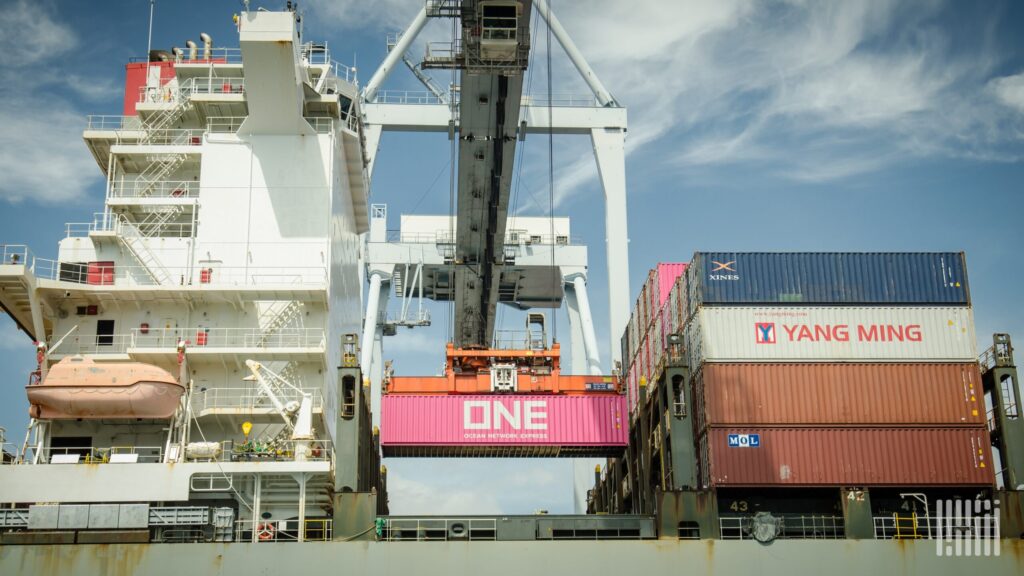
Improving control and reducing waste is essential for a competitive supply chain. Importers can adopt several strategies:
Optimization Tactics
- Coordinate Early with Suppliers
Ensure cargo readiness and avoid last-minute delays. - Use Predictive Routing Tools
These tools help track sailing schedules and delivery windows. - Leverage Consolidated Vendor Management
Unify multiple suppliers into consistent workflows. - Conduct Pre-Shipment Inspections
Reduce risk of repacking or customs penalties. - Prioritize Reliable Carriers
Although cheaper options seem attractive, inconsistent carriers cause delays.
What Are the Pros and Cons of FCL vs Other Shipping Options?
While FCL is generally cost-effective for large shipments, understanding alternatives strengthens decision-making.
Table 4: FCL vs Air vs Rail Freight Comparison
| Category | FCL (Sea, East Coast) | Sea–Rail (via West Coast) | Air Freight |
|---|---|---|---|
| Cost | Low | Medium | High |
| Transit Time | 30–38 days | 23–28 days | 3–7 days |
| Volume Capacity | High | High | Low |
| Suitable Cargo | All types | Mid-volume/urgent cargo | High-value |
FCL offers the best combination of cost, space, and flexibility for New Jersey-bound shipments.
Can Digital Tools Improve China-to-New Jersey Supply Chain Efficiency?
Yes. Because digitalization reduces manual errors and increases visibility, many importers now rely on:
- End-to-end shipment tracking
- Automated documentation systems
- Predictive ETAs
- API-integrated inventory systems
These systems support long-tail logistics needs such as real-time container GPS updates, warehouse syncing tools, and smart customs compliance alerts.
Should You Work with a Full-Service Freight Forwarder?
Absolutely. Although some importers manage shipments independently, partnering with a logistics provider significantly improves reliability.
Benefits Include
- One-stop FCL management
- Faster booking during peak seasons
- Accurate landed cost calculations
- Port monitoring and on-time delivery
- Problem-solving support during delays
Moreover, a specialized forwarder understands customs rules, terminal operations, and New Jersey trucking landscape, making operations smoother.
Conclusion
A reliable China FCL supply chain solution to New Jersey enhances cost control, improves transit predictability, and strengthens long-term logistics performance. By selecting the right container, preparing accurate customs documentation, coordinating early with suppliers, and working with an experienced freight forwarder, importers can significantly reduce disruptions. With the right strategy, businesses enjoy smoother operations, stronger supply chain resilience, and faster delivery into the New Jersey market.
If you’d like, I can also generate optimized landing pages, cluster articles, or site-wide content templates for your New Jersey FCL logistics keyword group.
FAQ
1. How early should I book FCL containers from China to New Jersey?
You should book at least two weeks in advance because carriers frequently roll containers during peak season and early booking ensures space and predictable planning.
2. Do I need ISF filing for every FCL shipment to New Jersey?
Yes, every FCL shipment requires ISF filing. Importers must submit it before cargo loading, otherwise U.S. Customs may apply penalties and delay the release.
3. Which port in New Jersey is most suitable for China FCL shipments?
Most importers use Newark or Elizabeth terminals because both offer excellent trucking access, strong equipment availability, and fast customs processing for containerized cargo.
4. Can I reduce trucking costs after the container arrives in New Jersey?
Yes. Optimizing delivery ZIP codes, scheduling off-peak pickups, and selecting trucking partners with chassis pools significantly lowers local trucking costs.
5. What documents help speed up customs clearance for FCL cargo?
Accurate invoices, matched HS codes, detailed packing lists, and updated arrival notices help brokers file entries quickly and reduce inspection risks.