

- By kelly
- November 24, 2025
- Tips or Guide, Transport
China FCL Warehouse Consolidation to Los Angeles
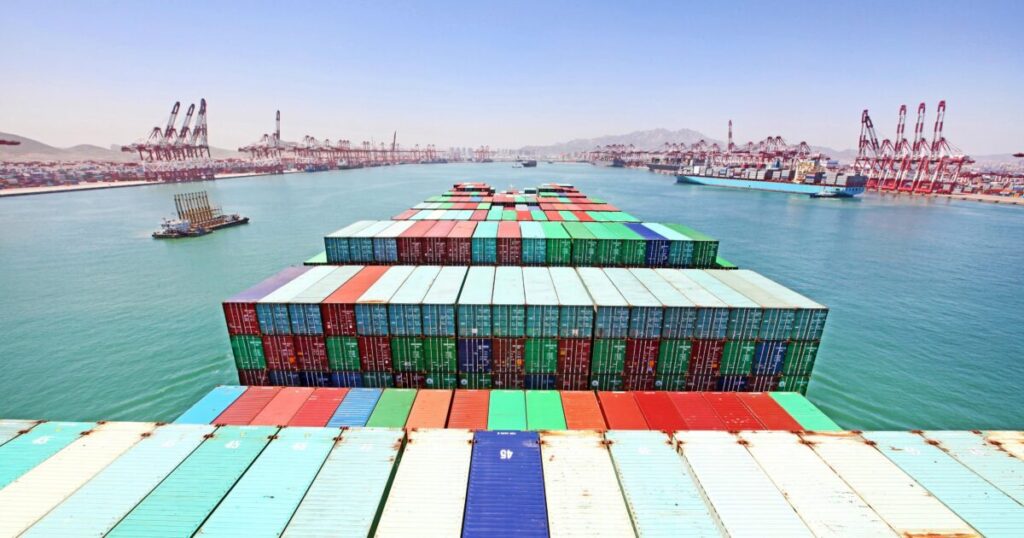
Efficient China FCL warehouse consolidation to Los Angeles is becoming essential for businesses shipping multiple suppliers’ goods in one container. However, many importers struggle with rising shipping costs, poor coordination, inconsistent transit time, and complex customs requirements. This guide explains how proper consolidation streamlines your supply chain, reduces logistics risk, and ensures cost-effective delivery to Los Angeles.
1. What Is China FCL Warehouse Consolidation and Why Is It Important for Los Angeles Shipments?
FCL warehouse consolidation means combining cargo from multiple suppliers in China into one full container before shipping to Los Angeles. Additionally, consolidation reduces LCL fees, improves packaging quality, and ensures better control over shipment timelines.
Why Importers Prefer FCL Consolidation
- Lower freight costs per CBM
- Better inventory control
- Reduced handling damage
- More predictable delivery schedules
2. How Does the China FCL Warehouse Consolidation to Los Angeles Process Work?
The process involves collection, sorting, inspection, repacking, labeling, container loading, and customs clearance. Moreover, coordination between suppliers, warehouse teams, and freight forwarders ensures efficient consolidation.
Step-by-Step Consolidation Workflow
- Collect goods from multiple suppliers
- Inspect quantity, quality, and packaging
- Repack and palletize for safe loading
- Apply barcodes/labels for tracking
- Load into one FCL container
- Submit export documents
- Ship to Los Angeles and track
3. What Documents Are Required for FCL Consolidation From China to Los Angeles?
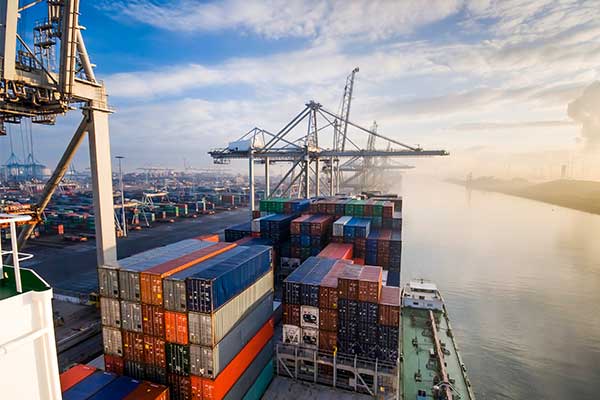
Proper documentation prevents customs delays and helps maintain supply chain accuracy. U.S. CBP has strict requirements, especially for mixed shipments.
Table: Essential Documentation Checklist
| Document | Required? | Purpose | Notes |
|---|---|---|---|
| Commercial Invoice | Yes | Declares supplier value & HS code | Must match packing list |
| Packing List | Yes | Lists each supplier’s cargo | Needed for grouping |
| Consolidated Manifest | Yes | Details all goods in container | Required for CBP |
| ISF Filing | Yes | Pre-arrival security filing | Must submit 24 hours before loading |
| Bill of Lading | Yes | Carrier-issued transport contract | Needed for port release |
| COO / Certifications | Optional | For specific goods | Reduces duties |
4. How Much Does China FCL Warehouse Consolidation to Los Angeles Cost?
Costs vary depending on supplier count, warehouse location, packaging needs, customs services, and container rate fluctuations.
Table: Estimated Pricing for FCL Consolidation
| Service | Estimated Cost (USD) | Notes |
|---|---|---|
| Warehouse receiving | $5–$25 per CBM | Depends on supplier volume |
| Sorting & palletizing | $20–$60 per pallet | Ensures safe loading |
| Repacking | $5–$30 per box | Optional service |
| Container loading fee | $150–$300 | For 20GP/40GP/40HQ |
| 40HQ container rate | $1,500–$3,000 | Market-dependent |
5. What Shipping Methods Should You Compare Before Choosing FCL Consolidation to Los Angeles?
Choosing the right freight option depends on delivery speed, product type, and budget. Although FCL consolidation is cost-effective, other options may suit urgent shipments.
Table: Shipping Method Comparison
| Method | Cost | Transit Time | Best For | Pros | Cons |
|---|---|---|---|---|---|
| FCL Consolidation | Low | 15–20 days | Multi-supplier cargo | Cost-effective, controlled | Requires coordination |
| Standard FCL | Medium | 13–18 days | Bulk orders | Simple process | Higher cost |
| LCL Shipment | Medium-High | 18–25 days | Small volumes | Flexible MOQ | Slower, extra fees |
| Air Freight | High | 3–7 days | Urgent orders | Fastest | Very expensive |
| Rail + Truck | Medium | 20–28 days | Mixed goods | Balanced option | Limited availability |
6. What Transit Time Should You Expect for Consolidated FCL Shipments to Los Angeles?
Transit time to Los Angeles depends on the port of loading and route selection. Additionally, U.S. West Coast congestion can affect delivery schedules.
Table: Transit Time Estimates China → Los Angeles
| Port of Loading | Transit Time | Notes |
|---|---|---|
| Shenzhen | 13–16 days | Fastest South China route |
| Guangzhou | 14–18 days | Reliable capacity |
| Shanghai | 14–19 days | High-frequency sailings |
| Ningbo | 15–20 days | Strong consolidation hub |
| Qingdao | 16–22 days | Longer routing |
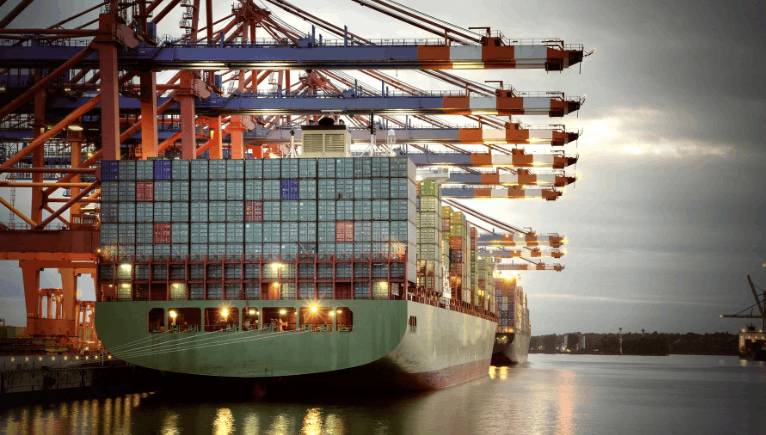
7. Why Is FCL Consolidation More Cost-Effective Than LCL for Los Angeles Imports?
LCL shipments often include hidden charges such as destination fees, pallet fees, handling charges, and warehouse storage. Therefore, combining multiple shipments into one FCL removes these extra costs.
H3: Key Cost Savings
- Lower per-unit freight
- Reduced handling damage
- No LCL destination fees
- Faster cargo release at Los Angeles port
8. What Are the Main Risks in China FCL Warehouse Consolidation to Los Angeles?
Although consolidation offers advantages, risks exist if coordination is poor. However, proactive planning minimizes issues.
Common Risks
- Late supplier deliveries
- Incorrect packaging causing damage
- Missing documentation delaying customs clearance
- Overweight or misdeclared cargo
- Delays at China warehouse or U.S. port
Risk Prevention Strategies
- Set supplier deadlines
- Verify packaging standards early
- Complete ISF filing accurately
- Confirm container weight limits
- Use digital tracking tools
9. How Do Warehouses Manage Supplier Coordination for Consolidated FCL Shipments?
Warehouses play a crucial role in scheduling supplier deliveries. Moreover, they assign inbound time slots, perform inspections, and consolidate goods in the correct loading order.
Coordination Tools Used
- ERP systems for supplier tracking
- Warehouse management systems (WMS)
- Photo verification for inbound goods
- Barcoding for item-level accuracy
10. Why Should Importers Use a Freight Forwarder Specializing in China-to-Los Angeles Consolidation?
Specialized forwarders provide reliable warehouse management, lower container rates, and direct communication with multiple suppliers. Additionally, they offer customs support and real-time tracking.
Benefits of Using a Professional Forwarder
- Better coordination across suppliers
- Access to premium container space
- Accurate documentation handling
- 24/7 shipment tracking
- Faster customs clearance
📦Get a Free Quote
If you need expert support with China FCL warehouse consolidation to Los Angeles, our logistics team offers reliable supplier coordination, competitive container rates, and professional export documentation. Contact us today to optimize your supply chain and reduce overall shipping costs with a fully managed consolidation solution.
❓ Frequently Asked Questions
1. How does FCL consolidation reduce shipping costs to Los Angeles?
Consolidation combines multiple suppliers’ goods into one container, lowering per-unit freight costs and eliminating expensive LCL destination charges.
2. How early should suppliers deliver cargo to the consolidation warehouse?
Most warehouses require cargo three to seven days before loading to allow time for inspection, sorting, palletizing, labeling, and customs preparation.
3. Does consolidated FCL cargo clear U.S. customs faster than LCL?
Yes, FCL clears quicker because there are fewer handling steps, fewer pallets to scan, and no shared-container processing delays at the port.
4. Can dangerous goods be included in FCL consolidation?
Yes, but they must meet IMDG requirements and remain compatible with other cargo. Warehouses may restrict certain hazardous chemicals.
Conclusion
The China FCL warehouse consolidation to Los Angeles process enables importers to reduce freight costs, strengthen supply chain efficiency, and maintain more predictable delivery timelines. Although coordination across multiple suppliers presents challenges, proper warehouse management, accurate documentation, and professional freight forwarding support ensure smooth export operations. By choosing the right consolidation strategy, businesses can improve logistics visibility, accelerate customs clearance, and reduce overall cost per shipment.