

China Freight for Wholesalers Premium Service: 2026 Logistics Guide
Managing a global supply chain requires precision and reliability to maintain healthy profit margins in today’s competitive market. Wholesale businesses often face challenges with delayed shipments and rising costs that disrupt their inventory management. Consequently, finding a reliable China freight for wholesalers premium service has become a top priority for importers looking to scale efficiently in 2026. This guide explores how high-end logistics solutions provide the stability and speed necessary for modern wholesale operations.
What defines China freight for wholesalers premium service?
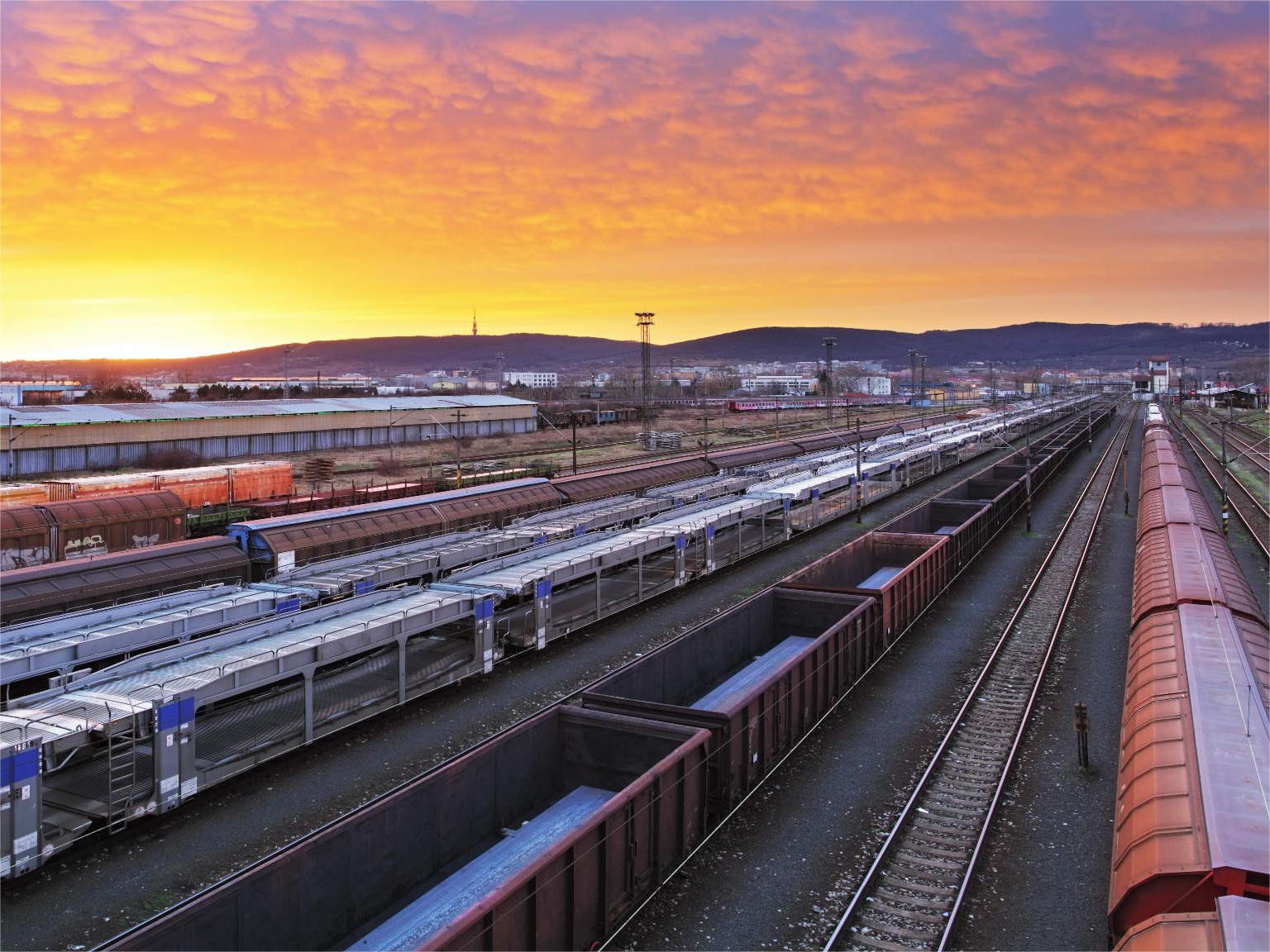
Premium logistics involves more than just moving boxes from one point to another. Specifically, it encompasses proactive communication, real-time tracking, and dedicated account management tailored to high-volume needs. Wholesalers require a partner who understands the nuances of bulk cargo handling and customs compliance. Moreover, these services prioritize cargo safety and minimize transit times through optimized routing.
Choosing a premium service ensures that your supply chain remains resilient against market fluctuations. Additionally, you receive specialized support for documentation and regulatory requirements. Indeed, the goal is to provide a seamless experience that allows you to focus on sales rather than logistics headaches. Professional freight forwarders offer customized solutions that adapt to your specific product types and delivery schedules.
How Does China Freight for Wholesalers Premium Service Compare to Other Shipping Options?
Evaluating different transport modes is essential for balancing cost and speed effectively. While standard shipping might offer lower upfront prices, it often lacks the reliability required for time-sensitive wholesale inventory. In contrast, premium services provide guaranteed space and faster transit times even during peak seasons. Furthermore, the total landed cost is often lower when factoring in reduced inventory holding costs.
As of early 2026, market data suggests that hybrid solutions are gaining popularity among savvy importers. For instance, combining sea and air transport can offer a middle ground for both budget and urgency. Therefore, understanding the trade-offs between each method is crucial for strategic planning. The following table provides a detailed comparison of the primary shipping options available today.
| Shipping Method | Cost Range | Transit Time | Best For | Limitations |
|---|---|---|---|---|
| Air Freight | $4.50 – $8.00/kg | 3-7 Days | High-value bulk | Weight limits |
| Sea Freight (FCL) | $2,800 – $4,500 | 18-35 Days | Large inventory | Longer transit |
| Rail Freight | $1.50 – $2.50/kg | 15-22 Days | European land | No AU/US routes |
| Express Service | $7.00 – $12.00/kg | 2-5 Days | Samples/Urgent | Highest cost |
Why wholesalers choose air freight for high-value goods?
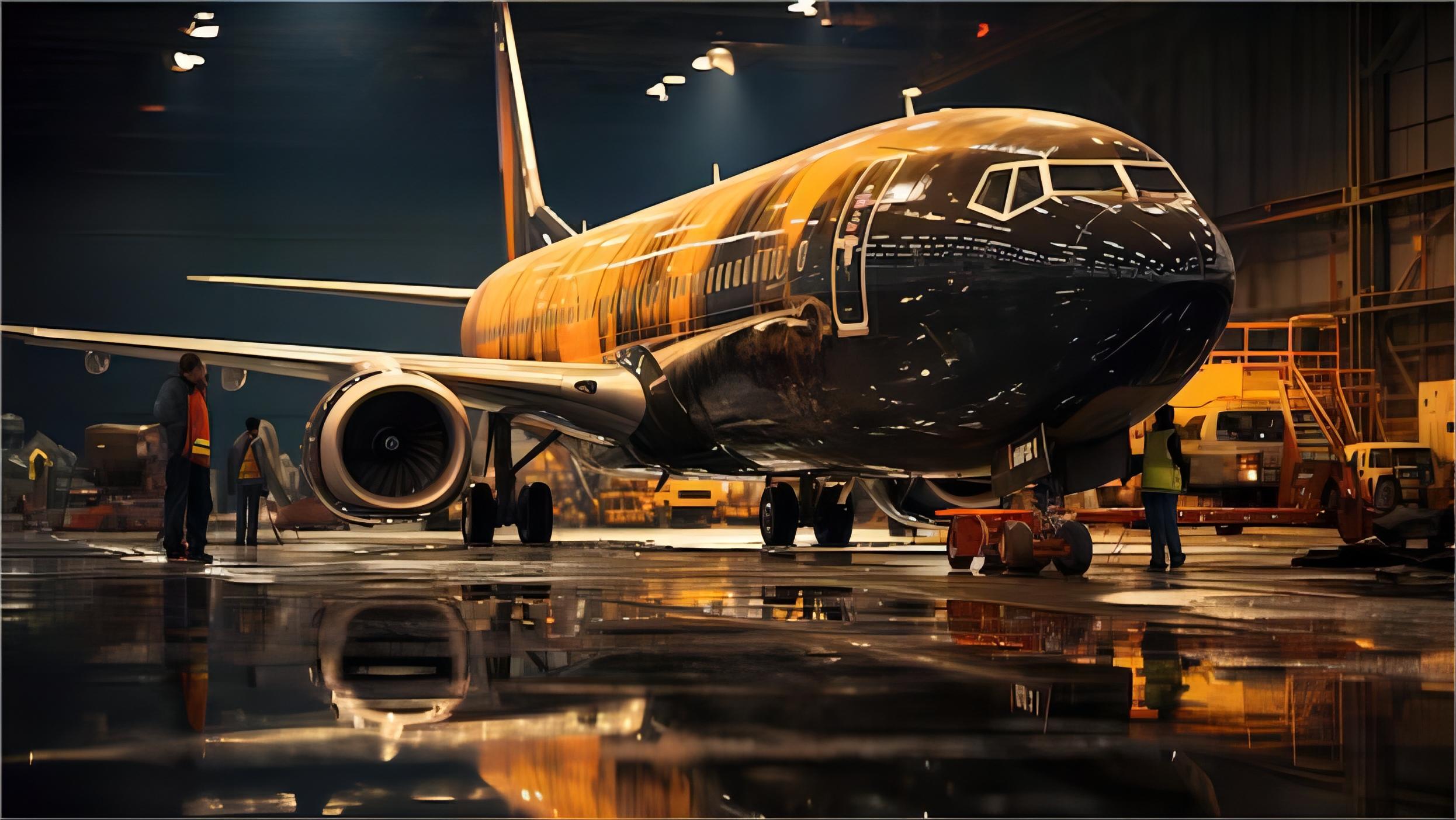
Air transport remains the gold standard for wholesalers dealing with electronics, fashion, or perishable items. High-value goods require the security and speed that only air freight can provide in a globalized economy. Consequently, many businesses allocate a portion of their budget to air transport to ensure rapid restocking. This strategy minimizes the risk of stockouts during high-demand periods like the Q4 peak season.
Moreover, the reduced transit time significantly improves cash flow by shortening the time between payment and product availability. Wholesalers can respond more quickly to market trends when they use expedited air solutions. Additionally, premium air services often include priority handling and faster customs clearance at major hubs. Therefore, the higher initial cost is frequently offset by the ability to capture market opportunities before competitors.
Can sea freight optimize your wholesale supply chain?
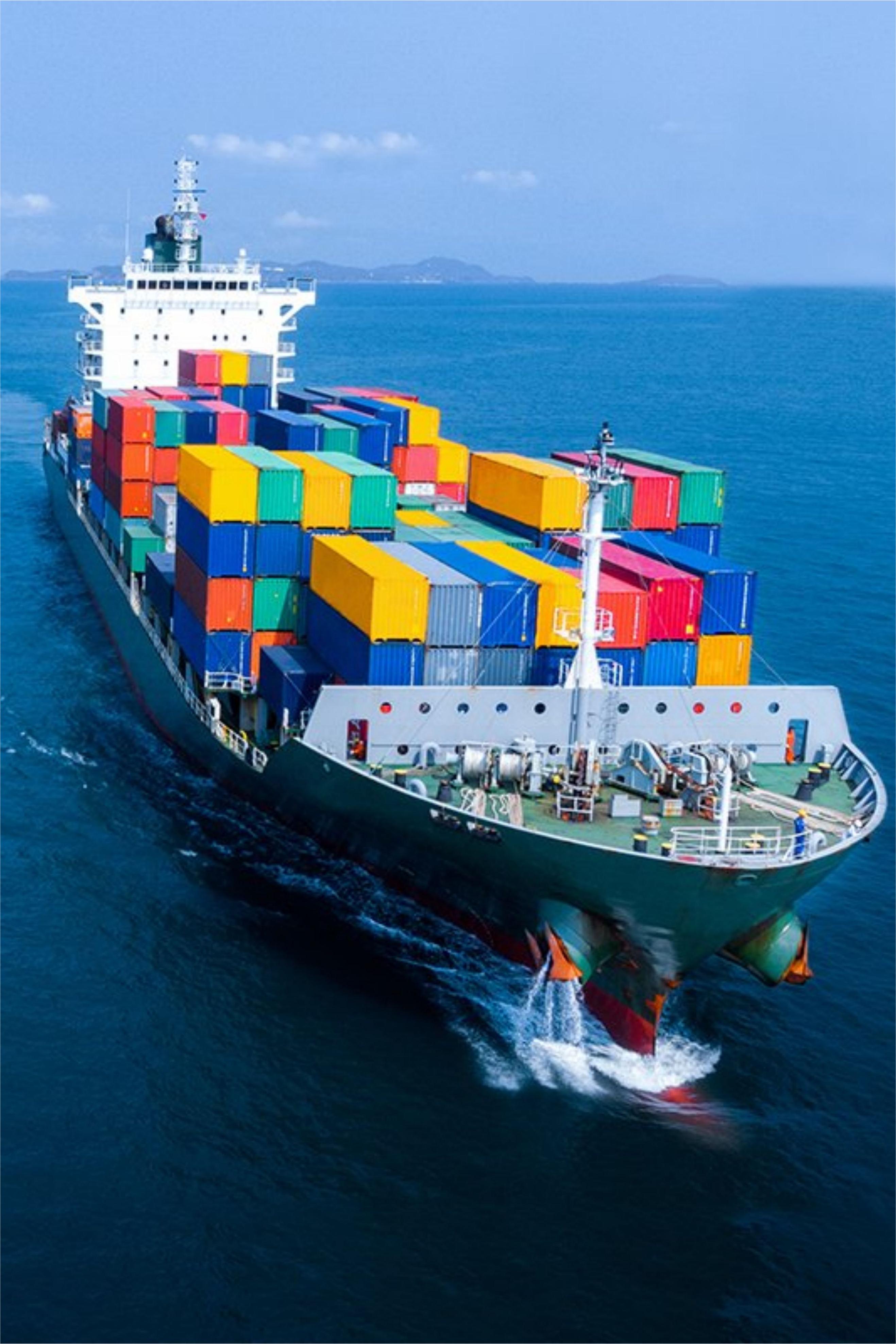
Sea transport continues to be the backbone of international trade for large-volume wholesale orders. Utilizing sea freight allows businesses to move massive quantities of goods at a fraction of the cost of air travel. Specifically, Full Container Load (FCL) shipping offers the best value for wholesalers who can fill a 20GP or 40HQ container. Meanwhile, Less than Container Load (LCL) provides flexibility for smaller bulk orders that do not require a full unit.
Current market rates for 2026 indicate that ocean freight remains cost-effective despite occasional fuel surcharges. For example, shipping a 40HQ from Shenzhen to Los Angeles currently ranges between $2,800 and $3,800 depending on the carrier. Furthermore, premium sea services offer faster direct routes that shave several days off the standard transit time. Accordingly, wholesalers can plan their inventory cycles with greater confidence when using these reliable ocean routes.
| Route | 20GP Rate | 40HQ Rate | Avg Transit |
|---|---|---|---|
| China to USA West | $1,600 – $2,300 | $2,900 – $3,900 | 14-18 Days |
| China to Europe | $1,900 – $2,600 | $3,100 – $4,300 | 28-35 Days |
| China to Australia | $900 – $1,300 | $1,500 – $2,100 | 12-18 Days |
| China to UK | $2,100 – $2,900 | $3,600 – $4,600 | 30-38 Days |
Should you use rail freight for inland European destinations?
Rail transport has emerged as a powerful alternative for wholesalers targeting the European market. By choosing rail freight, businesses can achieve a balance between the speed of air and the economy of sea. Indeed, the Iron Silk Road connects major Chinese manufacturing hubs directly to cities like Warsaw, Hamburg, and Duisburg. Consequently, transit times are often 50% faster than sea freight while being significantly cheaper than air.
Nevertheless, it is important to note that rail freight is not an option for routes to North America or Australia due to geographical constraints. For European wholesalers, however, it offers a stable and eco-friendly logistics solution. Additionally, rail services are less susceptible to the weather-related delays that can affect ocean vessels. Therefore, integrating rail into your logistics strategy can provide a competitive edge in the European wholesale sector.
How customs brokerage simplifies wholesale imports?
Navigating the complexities of international trade regulations is often the most challenging part of the import process. Professional customs brokerage services ensure that all paperwork is accurate and compliant with local laws. Furthermore, experienced brokers can help wholesalers identify the correct HS codes to avoid overpaying duties. As a result, shipments move through ports without unnecessary delays or costly penalties.
Moreover, premium brokerage services include assistance with specialized permits and certifications required for certain product categories. Wholesalers benefit from having an expert who monitors changes in trade policies and tariff structures in real-time. Additionally, efficient customs clearance is a critical component of any door to door shipping solution. Consequently, investing in professional brokerage is essential for maintaining a smooth and predictable supply chain.
Real-world wholesale logistics success: Case studies
Case Study 1: Electronics Distribution Success Route: Shenzhen, China to Los Angeles, USA Cargo: Consumer Electronics, 65 CBM, 12,500 kg Container: 1 x 40HQ Shipping Details: – Carrier: Major Transpacific Carrier – Port of Loading: Shenzhen – Port of Discharge: Los Angeles – Route Type: Direct Cost Breakdown: – Ocean Freight: $3,450 – Origin Charges: $450 – Destination Charges: $680 – Customs and Duties: $4,200 – Total Landed Cost: $8,780 Timeline: – Booking to Loading: 3 days – Sea Transit: 15 days – Customs Clearance: 2 days – Total Door-to-Door: 20 days Key Insight: Using a direct route avoided port congestion at transshipment hubs, ensuring the wholesaler met their product launch date in Q1 2026.
Case Study 2: Apparel Wholesale Efficiency Route: Ningbo, China to Hamburg, Germany Cargo: Organic Cotton Apparel, 12 CBM, 2,800 kg Container: LCL 12 CBM Shipping Details: – Carrier: Premium Consolidation Service – Port of Loading: Ningbo – Port of Discharge: Hamburg – Route Type: Direct Cost Breakdown: – Ocean Freight: $1,080 – Origin Charges: $220 – Destination Charges: $350 – Customs and Duties: $1,150 – Total Landed Cost: $2,800 Timeline: – Booking to Loading: 4 days – Sea Transit: 32 days – Customs Clearance: 3 days – Total Door-to-Door: 39 days Key Insight: LCL allowed this wholesaler to maintain a frequent shipping schedule without waiting to fill a whole container, improving inventory turnover.
Note: Freight rates are subject to change based on fuel costs, carrier capacity, and seasonal demand. Contact us for a current quote tailored to your specific shipment.
Which shipping option should you choose for your wholesale business?
Determining the best logistics path depends on several factors including budget, urgency, and cargo volume. If your priority is minimizing costs and you have flexible timelines, sea freight is undoubtedly the superior choice. Conversely, if you are shipping high-value electronics that need to reach the market quickly, air freight is the most logical investment. Wholesalers must also consider the physical characteristics of their goods when selecting a transport mode.
Specifically, heavy or bulky items are best suited for ocean or rail transport to avoid exorbitant air freight charges. Meanwhile, smaller, high-margin items can absorb the cost of expedited air services more easily. Furthermore, consider a hybrid approach for different segments of your inventory to optimize your overall logistics spend. Therefore, a successful strategy involves matching the shipping method to the specific needs of each product line.
Mastering Wholesale Logistics in 2026
In summary, securing a reliable China freight for wholesalers premium service is the key to navigating the complexities of international trade. By understanding the differences between air, sea, and rail freight, you can make informed decisions that protect your margins. Furthermore, partnering with experts for customs brokerage and door-to-door delivery ensures that your goods arrive safely and on time.
As market conditions continue to evolve, staying adaptable and prioritizing quality logistics will set your wholesale business apart from the competition. Specifically, focusing on transit time reliability and cost-effective routing will drive long-term growth. Therefore, take the next step in optimizing your supply chain by choosing a premium freight partner who understands your unique wholesale requirements.
Need a tailored shipping solution?
Ready to elevate your supply chain with China freight for wholesalers premium service? Contact China Top Freight today to receive a customized quote and expert guidance for your 2026 shipping needs. Visit our website to learn more about our comprehensive logistics solutions. Send Inquiry: Visit chinatopfreight.com/contact-us