

- By carlie tj
- September 9, 2025
- Tips or Guide, Transport
Working with a reliable China freight forwarder to Canada is essential for businesses that import goods across the Pacific. Without expert guidance, many importers struggle with high shipping costs, customs clearance issues, and unpredictable transit times. Partnering with experienced providers like China Top Freight ensures smooth logistics, competitive rates, and secure delivery from factory to final destination.
1. What Is a China Freight Forwarder to Canada?
A freight forwarder acts as an intermediary, managing transportation from Chinese suppliers to Canadian consignees. They coordinate sea, air, rail, and courier shipments while handling documentation, customs, warehousing, and last-mile delivery.
2. Why Do Businesses Need a Freight Forwarder for China–Canada Trade?
- Expert Customs Handling: Simplifies complex Canadian regulations.
- Cost Savings: Negotiated rates with carriers.
- Efficiency: Consolidated shipments reduce expenses.
- Reliability: Professional oversight minimizes delays.
3. What Shipping Methods Can a China Freight Forwarder Arrange?
| Method | Cost Level | Transit Time | Best For | Pros | Cons |
|---|---|---|---|---|---|
| Sea Freight (FCL/LCL) | Lowest | 20–35 days | Bulk shipments | Economical, large volume capacity | Slow, port delays |
| Air Freight | Higher | 3–10 days | Urgent, high-value goods | Fast, secure, predictable | Expensive for heavy cargo |
| Rail Freight (to Toronto/Montreal via Vancouver) | Medium | 12–20 days | Europe-Canada transshipment | Balanced cost/time | Limited routes |
| Express Courier | Highest | 2–7 days | Small parcels, e-commerce | Door-to-door, reliable tracking | Limited volume |
4. How Much Does It Cost to Ship from China to Canada?
| Cargo Type | Estimated Cost (USD) | Delivery Time |
|---|---|---|
| Small parcels (≤50kg, courier) | $7–$10/kg | 2–7 days |
| Air cargo (100–500kg) | $5–$8/kg | 3–10 days |
| LCL sea freight (1–10m³) | $70–$120/m³ | 25–35 days |
| FCL 20ft container | $2,000–$3,200 | 20–30 days |
| FCL 40ft container | $3,500–$5,000 | 20–30 days |
Rates change with seasonality, demand, and port handling costs.
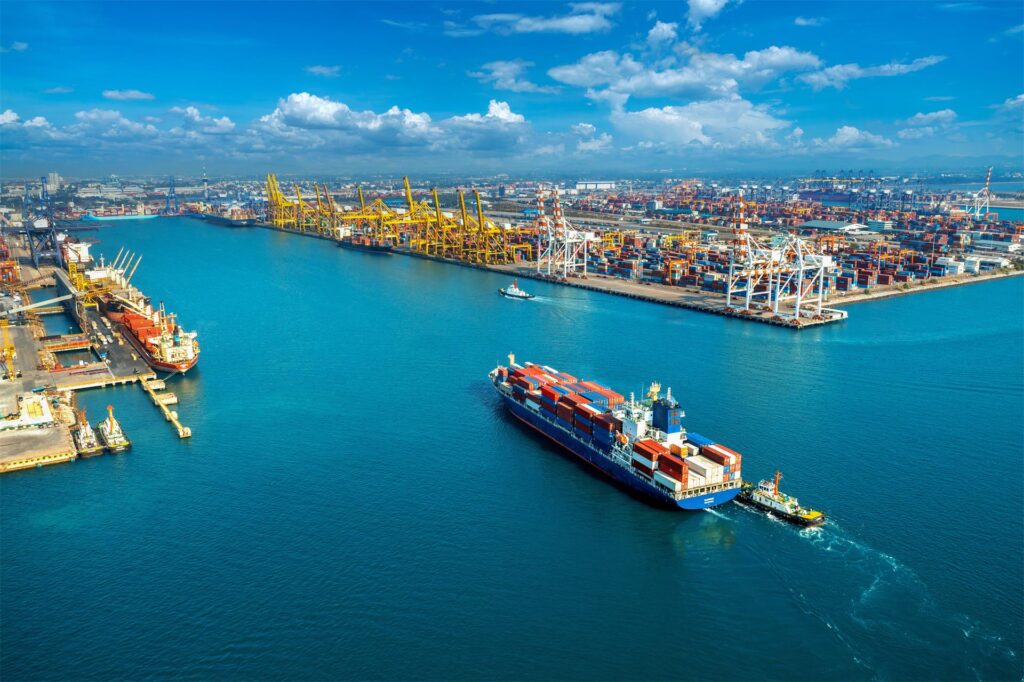
5. Which Chinese Ports Are Commonly Used for Canada-Bound Cargo?
Shanghai – Largest hub for container shipping.
Shenzhen – Key for electronics and consumer goods.
Ningbo – Efficient with frequent sailings.
Guangzhou – Flexible for mixed cargo.
Qingdao – Ideal for industrial goods.
6.How to Reduce Shipping Costs from China to Canada?
- Plan shipments during off-peak seasons.
- Consolidate small volumes into FCL.
- Compare multimodal options (sea + rail).
- Partner with a trusted China freight forwarder.
Choosing the right China freight forwarder to Canada ensures timely, cost-effective, and stress-free logistics. China Top Freight provides customized solutions, competitive rates, and expert customs handling for businesses of all sizes. Contact us today to secure a smooth shipping experience.
7.Conclusion
Partnering with an experienced China freight forwarder to Canada helps businesses overcome logistical challenges, reduce costs, and achieve reliable delivery. With proper planning, accurate documents, and expert guidance, importers can streamline trade and focus on growth. Choosing the right partner ensures peace of mind throughout the entire shipping process.
8. Request a Quote
China Top Freight offers:
- ✅ Origin and Destination Countries
- ✅ Cargo Type and Volume
- ✅ Preferred Transport Method (Air, Sea, Rail, Road)
- ✅ Delivery Timeline
- ✅ Special Handling Requirements (if any)
9. FAQ
1. How do I select the right China freight forwarder to Canada?
Choose providers with proven experience, strong carrier partnerships, transparent pricing, and a track record of handling customs clearance efficiently.
2. Can freight forwarders consolidate cargo from multiple suppliers?
They combine shipments from different Chinese suppliers into one container, helping businesses save costs and streamline logistics operations.
3. What factors cause delays in shipping from China to Canada?
Port congestion, seasonal demand spikes, incomplete documentation, and customs inspections are common reasons for shipment delays.
4. Do freight forwarders provide cargo insurance for Canada-bound shipments?
They offer insurance options that protect shipments from loss, theft, or damage, giving businesses peace of mind during transit.
5. Can I ship personal items with a China freight forwarder to Canada?
Many forwarders handle personal effects, but Canadian customs requires detailed inventories, permits, and compliance with import rules.