

China Freight Service Bulk Cargo: 2026 Logistics Guide
“Navigating the complexities of international trade requires a robust China freight service bulk cargo provider to ensure your goods arrive safely and on time. Many businesses struggle with rising costs and unpredictable schedules, making expert logistics support essential for success in 2026. This guide explores how you can optimize your shipping strategy to maximize efficiency and minimize overhead expenses.”
What is China Freight Service Bulk Cargo and Why Does It Matter?
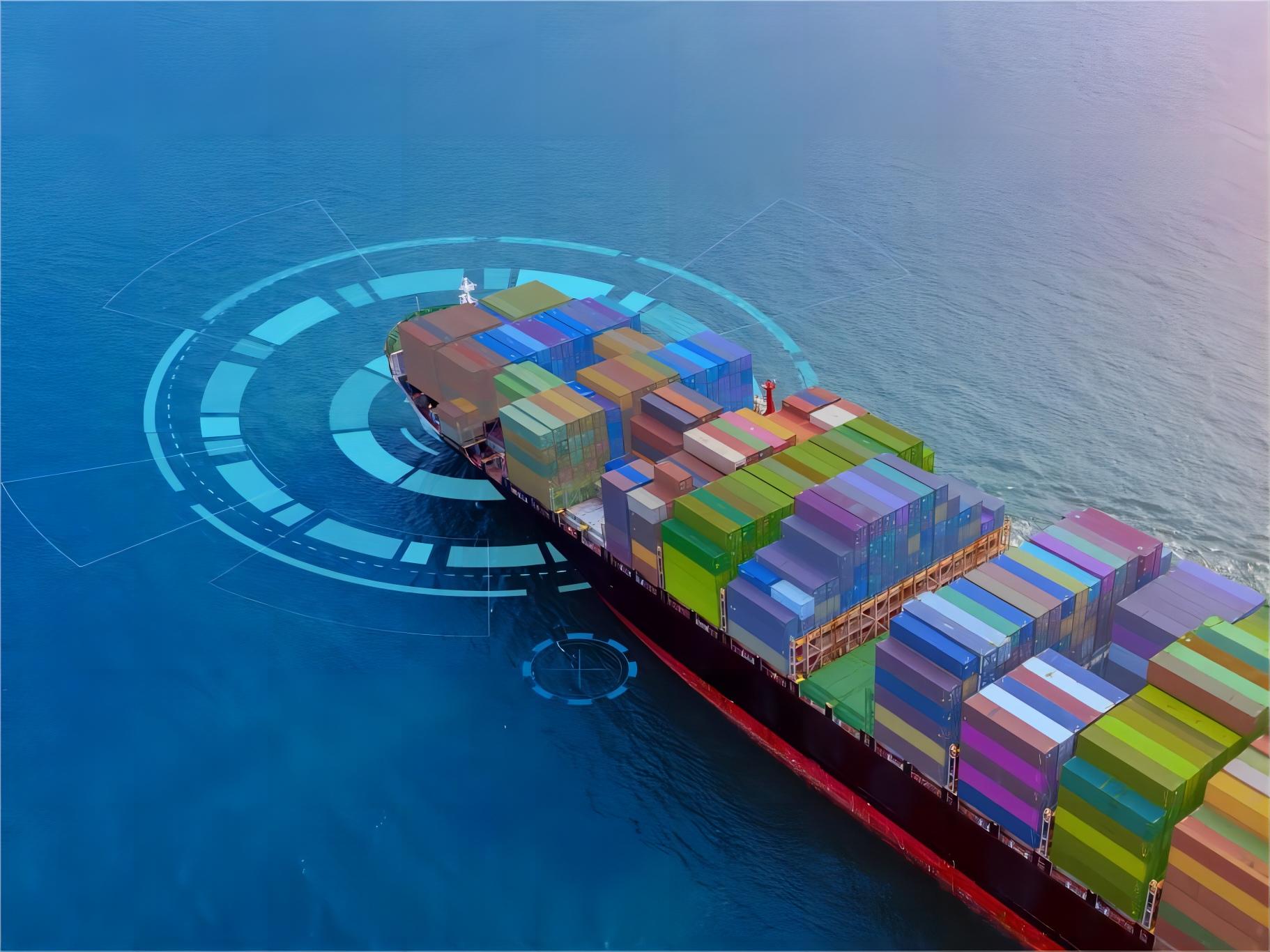
❖Bulk cargo refers to commodities transported in large quantities without individual packaging, such as grain, coal, or minerals. Choosing a specialized China freight service bulk cargo provider ensures that your large-scale shipments receive the specialized handling they require. Moreover, the efficiency of your supply chain depends heavily on how these materials move from manufacturing hubs to global destinations.
Consequently, understanding the nuances of bulk logistics can save your company thousands of dollars in annual shipping costs. Most businesses utilize sea freight for these heavy loads because it offers the best balance between capacity and price. Furthermore, the 2026 market landscape demands higher transparency and better tracking for every bulk shipment.
Indeed, the ability to move massive volumes quickly gives exporters a significant competitive advantage in saturated markets. Meanwhile, logistics trends suggest that digitalization is making bulk cargo management more predictable than ever before. Therefore, selecting a partner with modern tracking capabilities is no longer optional for serious importers.
How Does Bulk Cargo Shipping Compare to Other Options?
❖Comparing different transportation modes is vital for determining the most cost-effective solution for your specific needs. While sea freight remains the dominant choice for bulk materials, other methods like rail or air may be suitable for specific scenarios. For example, high-value bulk components might justify the speed of air transport despite the significantly higher cost.
On the other hand, rail options provide a middle ground for shipments moving from China to landlocked regions in Asia or Europe. In contrast, sea freight handles the vast majority of global bulk trade due to its unmatched scale and lower carbon footprint per ton. To summarize, the choice depends on your budget, timeline, and the physical characteristics of your cargo.
| Shipping Method | Cost Range | Transit Time | Best For |
|---|---|---|---|
| Sea Freight | $1,800 – $4,500 | 25 – 45 Days | Heavy Raw Materials |
| Rail Freight | $3,000 – $6,500 | 15 – 22 Days | Mid-value Bulk |
| Air Freight | $15,000 – $35,000 | 3 – 7 Days | Urgent Samples |
| Express Service | $25,000+ | 2 – 4 Days | Critical Parts |

Which Shipping Option Should You Choose for Bulk Goods?
❖Budget priority dictates that sea freight is almost always the recommended option for traditional bulk commodities like steel or chemicals. If speed is your main concern, hybrid solutions or rail transport can shave weeks off your delivery schedule. Additionally, cargo type considerations such as temperature sensitivity might force a move toward more specialized container types.
Volume thresholds also play a critical role in your decision-making process. For instance, once your shipment exceeds 15 CBM, a full container usually becomes more economical than less-than-container load options. However, for extremely large volumes of raw materials, a chartered bulk carrier might be the only viable solution to maintain profitability.
Alternative Strategies for Cost Savings
Consider using transshipment hubs to lower your overall ocean freight rates if your timeline is flexible. For example, shipping via smaller ports in Southeast Asia can sometimes reduce costs by 10% compared to direct routes. Another strategy involves consolidating bulk orders from multiple suppliers into a single large shipment to leverage volume discounts.
Furthermore, implementing a just-in-case inventory model can help you avoid expensive air freight during peak seasons. By planning your bulk shipments three months in advance, you can secure lower contract rates with major carriers. Without a doubt, proactive planning is the most effective way to manage logistics expenses in 2026.
Understanding the Costs of China Freight Service Bulk Cargo in 2026
❖Shipping costs in 2026 are influenced by fuel surcharges, port congestion fees, and seasonal demand fluctuations. Typically, rates increase by 15-25% during the peak season from August to October as retailers prepare for the holidays. Therefore, securing a fixed-rate contract with a customs brokerage expert can provide much-needed financial stability.
Market data suggests that freight rates from China to North America have stabilized following the infrastructure upgrades of 2025. Nevertheless, you should always account for destination charges and inland drayage when calculating your total landed cost. Indeed, the ocean freight portion is often only 60% of the total logistics bill.
| Route | 20GP Container | 40HQ Container | Transit Time |
|---|---|---|---|
| China to USA West | $1,600 – $2,300 | $2,900 – $3,900 | 15 – 18 Days |
| China to Europe | $1,900 – $2,600 | $3,100 – $4,300 | 30 – 36 Days |
| China to Australia | $900 – $1,300 | $1,500 – $2,100 | 14 – 20 Days |
Price Disclaimer
Note: Freight rates are subject to change based on fuel costs, carrier capacity, and seasonal demand. Contact us for a current quote tailored to your specific shipment.

Essential Documentation for Bulk Cargo Exports from China
❖Proper documentation is the backbone of a smooth export process from any Chinese port. You must ensure that your commercial invoice, packing list, and bill of lading are perfectly synchronized to avoid delays. Additionally, certain bulk materials require specialized certificates, such as phytosanitary permits for agricultural products or MSDS for chemicals.
Consequently, many importers utilize a rail freight or sea freight specialist to handle the paperwork. Errors in documentation can lead to costly port storage fees or even the seizure of goods by customs authorities. Therefore, double-checking every detail before the ship leaves the dock is a mandatory step in your logistics workflow.
| Document Name | Purpose | Required By | Criticality |
|---|---|---|---|
| Bill of Lading | Title to Goods | Carrier/Customs | High |
| Commercial Invoice | Valuation | Customs | High |
| Packing List | Cargo Detail | Warehouse | Medium |
| CO (Cert of Origin) | Duty Preference | Customs | High |
Real-World Case Studies: Bulk Shipping Success Stories
❖Case Study 1: Industrial Steel Export. Route: Shanghai, China to Rotterdam, Netherlands. Cargo: Steel pipes, 65 CBM, 24,000 kg. Container: 40HQ. Shipping Details: Carrier: COSCO. Port of Loading: Shanghai. Port of Discharge: Rotterdam. Route Type: Direct. Cost Breakdown: Ocean Freight: $3,200. Origin Charges: $450. Destination Charges: $600. Customs: $800. Total Landed Cost: $5,050. Timeline: Booking to Loading: 4 days. Sea Transit: 32 days. Customs: 2 days. Total Door-to-Door: 38 days. Key Insight: Direct routing saved 6 days compared to transshipment options.
Case Study 2: Agricultural Bulk. Route: Guangzhou, China to Melbourne, Australia. Cargo: Processed grain, 20 CBM, 12,000 kg. Container: 20GP. Shipping Details: Carrier: Maersk. Port of Loading: Nansha. Port of Discharge: Melbourne. Route Type: Direct. Cost Breakdown: Ocean Freight: $1,100. Origin Charges: $300. Destination Charges: $400. Customs: $500. Total Landed Cost: $2,300. Timeline: Booking to Loading: 3 days. Sea Transit: 16 days. Customs: 3 days. Total Door-to-Door: 22 days. Key Insight: Using a regional port like Nansha reduced origin trucking costs by 15%.
How to Optimize Your Supply Chain with Professional Logistics
❖Professional logistics management involves more than just moving boxes from point A to point B. It requires a comprehensive approach that includes warehousing, inventory management, and door to door delivery services. By integrating these elements, you can reduce lead times and improve customer satisfaction across the board.
Furthermore, leveraging the expertise of a freight forwarder allows you to focus on your core business activities. They handle the complex negotiations with carriers and stay updated on the latest international shipping regulations. Accordingly, partnering with an expert is the most effective way to navigate the volatile 2026 shipping market.
Final Thoughts on China Freight Service Bulk Cargo
Successfully managing a China freight service bulk cargo operation requires a blend of strategic planning and reliable partnerships. By understanding the cost drivers and documentation requirements, you can significantly reduce the risks associated with international trade. Moreover, staying informed about market trends in 2026 will help you make better decisions for your supply chain.
Ultimately, the goal is to create a logistics framework that is both resilient and cost-effective. Whether you are shipping raw materials or finished industrial goods, the principles of bulk cargo management remain the same. Start optimizing your routes today to ensure your business remains competitive in the global marketplace.
Ready to streamline your logistics?
Streamline your global operations today with our expert China freight service bulk cargo solutions. Our team provides personalized quotes and end-to-end support to ensure your business thrives in 2026. Send Inquiry link
Request Quote