

China Fulfillment Center Service Door Delivery: 2026 Shipping Guide
Managing a global supply chain requires precision, reliability, and cost-effective strategies to remain competitive in today’s fast-paced market. Utilizing a professional China Top Freight solution allows businesses to bridge the gap between manufacturing hubs and the final consumer. This comprehensive guide explores how china fulfillment center service door delivery optimizes inventory management and ensures seamless international logistics for modern enterprises in 2026.
What is China Fulfillment Center Service Door Delivery?
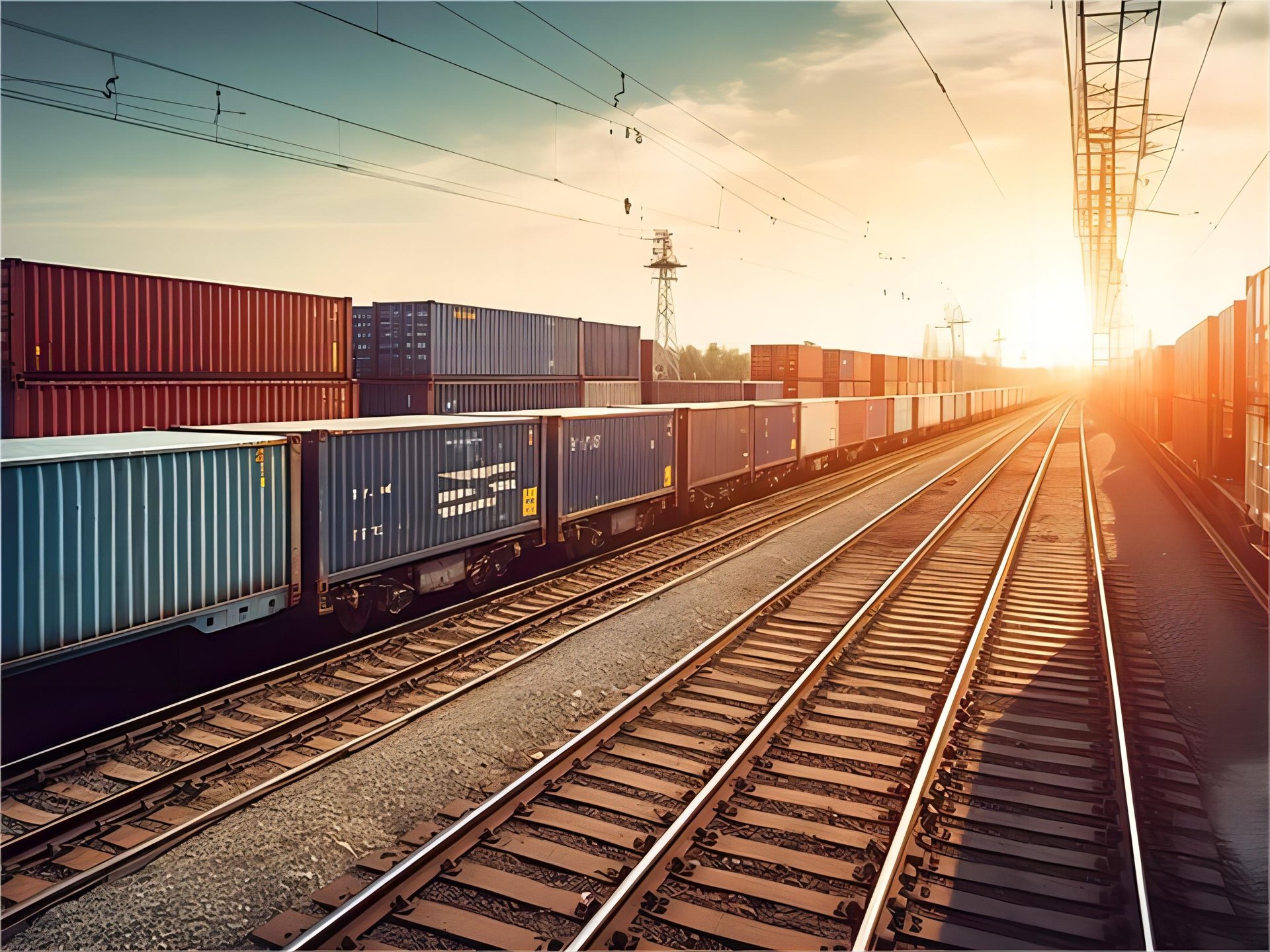
China fulfillment center service door delivery represents an all-encompassing logistics model where a single provider manages the entire journey of a product. Initially, the process begins at the factory where goods are collected and transported to a centralized warehouse within China. Subsequently, the fulfillment center handles storage, pick-and-pack services, and labeling to prepare items for international transit.
Furthermore, this service integrates domestic logistics with international freight to provide a unified solution for importers. Modern facilities in 2026 utilize advanced AI-driven software to track inventory levels in real-time, reducing the risk of stockouts or overstocking. Consequently, businesses can focus on marketing and sales while the logistics partner manages the complexities of physical distribution.
Choosing a comprehensive door to door service eliminates the need for multiple intermediaries. Instead of coordinating separately with truckers, warehouse managers, and customs brokers, you receive a single point of contact. This streamlined approach significantly reduces communication errors and speeds up the overall delivery timeline.
Key Benefits of Using a China-Based Fulfillment Center in 2026
Cost efficiency remains the primary driver for businesses seeking logistics solutions in the current economic climate. By consolidating goods in a Chinese fulfillment center, you can take advantage of lower storage costs compared to Western warehouses. Additionally, shipping directly from China to the end customer often reduces unnecessary handling fees and secondary transport costs.
Speed to market is another critical advantage provided by local fulfillment hubs. Because these centers are located near major manufacturing zones like Shenzhen or Ningbo, transit time from the factory to the warehouse is minimal. Therefore, new product launches can happen faster, allowing you to respond to market trends with agility.
Strategic inventory placement allows for better control over global distribution networks. Moreover, many providers now offer value-added services such as quality control inspections before the goods leave the country. This ensures that only high-quality products reach your customers, protecting your brand reputation and reducing return rates.
Comparing Shipping Methods for Door to Door Delivery
Selecting the right transportation mode depends on your specific budget, timeline, and cargo volume. While sea freight continues to be the most economical choice for large shipments, air freight offers unparalleled speed for high-value items. Meanwhile, rail freight has emerged as a reliable middle-ground for shipments heading toward Central Asia and Europe.
Market data suggests that freight rates have stabilized in early 2026 after the fluctuations seen in previous years. Nevertheless, shippers must remain vigilant about seasonal capacity constraints during peak periods like the Lunar New Year. Planning your shipments at least four to six weeks in advance is highly recommended to secure the best possible rates.
| Method | Cost Level | Transit Time | Ideal For |
|---|---|---|---|
| Sea Freight | Low | 25-40 Days | Bulk Inventory |
| Air Freight | High | 5-9 Days | High-Value Goods |
| Rail Freight | Medium | 18-25 Days | Mid-Sized Cargo |
| Express | Very High | 3-5 Days | Urgent Samples |
How Does China Fulfillment Center Service Door Delivery Compare to Other Shipping Options?
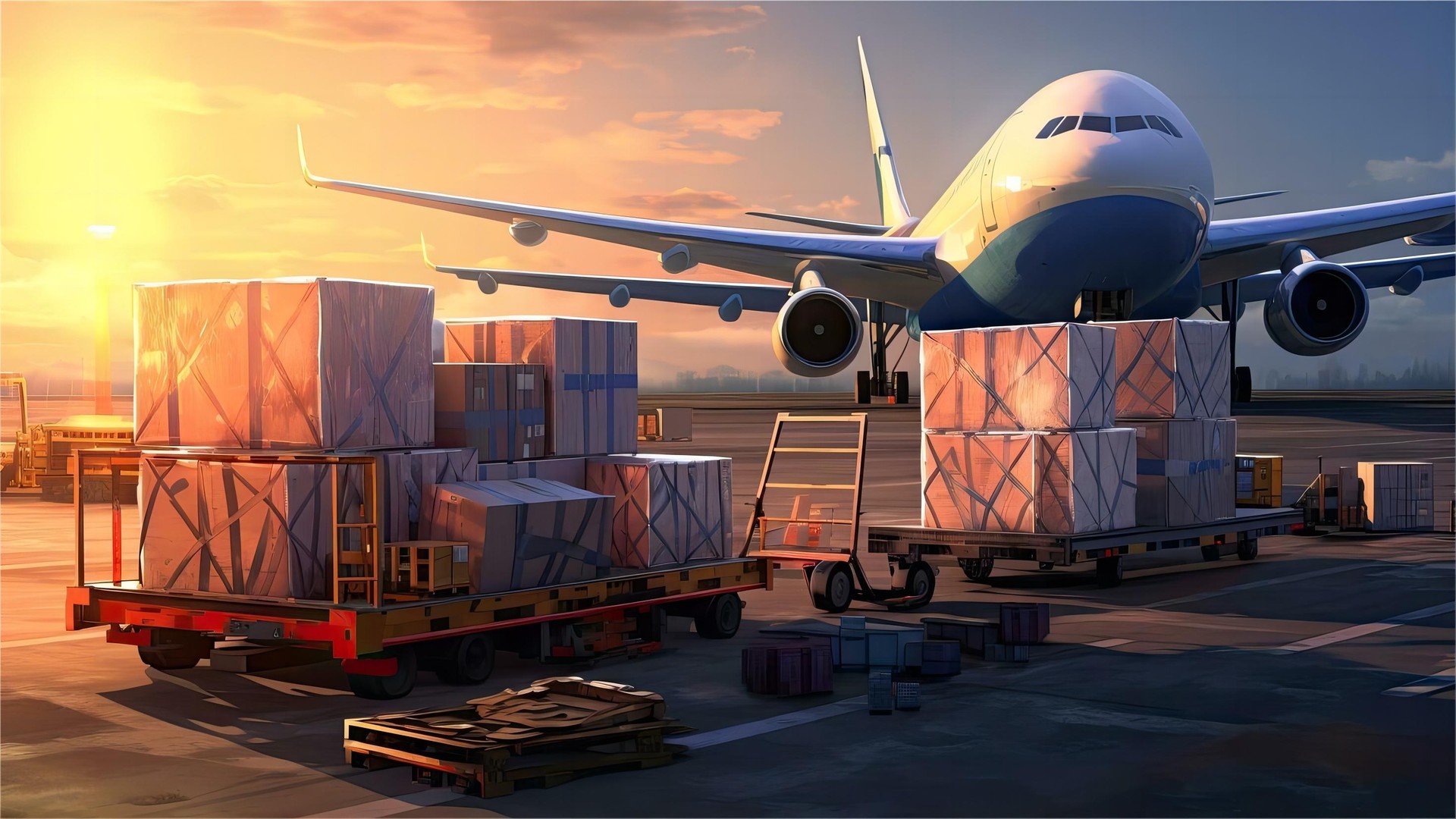
Objective analysis shows that end-to-end fulfillment services often outperform traditional port-to-port shipping in terms of convenience and total landed cost. When you use traditional methods, you are responsible for arranging the final mile delivery from the destination port to your warehouse. In contrast, door-to-door fulfillment includes this last-mile component in the initial quote.
Hybrid solutions, such as sea-air combinations, provide an alternative for those seeking a balance between cost and speed. For instance, goods might travel by sea from China to Dubai and then finish the journey by air to Europe. This approach can save up to 40% in costs compared to pure air freight while cutting transit time in half compared to sea freight.
Note: Freight rates are subject to change based on fuel costs, carrier capacity, and seasonal demand. Contact us for a current quote tailored to your specific shipment.
| Shipping Method | Cost Range | Transit Time | Limitations |
|---|---|---|---|
| Direct Sea FCL | $1,800 – $4,200 | 28-35 Days | Requires Full Volume |
| Air Cargo | $5,000 – $12,000 | 5-10 Days | Weight Restrictions |
| Rail Door-to-Door | $2,200 – $3,800 | 20-28 Days | Regional Availability |
| LCL Consolidation | $80 – $150/CBM | 30-45 Days | Congestion Risks |
Case Study: Successful Supply Chain Optimization
Case Study 1: Electronics Distribution to the United Kingdom. A mid-sized electronics retailer required a faster way to restock their London warehouse from a factory in Shenzhen. They utilized our Europe fulfillment services to manage their inventory more effectively.
Route: Shenzhen to London, UK. Cargo: High-end headphones, 12 CBM, 1,200 kg. Method: Sea Freight LCL. Cost Breakdown: Ocean Freight $1,100, Origin Charges $350, Destination Charges $450, Customs $200. Total Landed Cost: $2,100. Timeline: 38 days door-to-door. Key Insight: Consolidating multiple small orders into one LCL shipment saved the client 25% on shipping costs compared to individual express parcels.
Case Study 2: E-commerce Apparel to the United States. An online fashion brand needed to fulfill orders directly to customers across North America. They opted for an Amazon FBA integration via our China fulfillment hub.
Route: Ningbo to Los Angeles, USA. Cargo: Summer apparel, 40HQ Container. Method: Sea Freight FCL. Cost Breakdown: Ocean Freight $3,800, Origin Charges $500, Destination Charges $600, Customs $400. Total Landed Cost: $5,300. Timeline: 22 days door-to-door. Key Insight: Using FCL ensured the inventory arrived in bulk before the summer peak season, preventing stockouts during high demand.
Navigating Customs Documentation and Compliance
Navigating international trade laws requires a deep understanding of both origin and destination regulations. Our dedicated customs brokerage team ensures that all paperwork is accurately prepared to avoid costly delays at the border. Specifically, the commercial invoice, packing list, and bill of lading must match perfectly to pass inspection.
Implementing a robust compliance strategy involves staying updated on tariff changes and trade agreements. Furthermore, certain products may require specific certifications, such as CE for electronics in Europe or FDA approval for health products in the USA. Failure to provide these documents can result in cargo seizure or heavy fines.
Indeed, working with an experienced logistics partner provides peace of mind regarding legal requirements. We assist in determining the correct HS codes for your products, which directly impacts the amount of duty you will pay. Consequently, accurate classification can lead to significant tax savings over time.
| Document Name | Primary Purpose | Required For | Typical Format |
|---|---|---|---|
| Commercial Invoice | Value Declaration | All Shipments | Digital PDF |
| Packing List | Content Detail | All Shipments | Digital PDF |
| Bill of Lading | Title of Goods | Ocean Freight | Original Paper |
| Certificate of Origin | Tariff Benefits | Specific Regions | Government Seal |
Which Shipping Option Should You Choose?
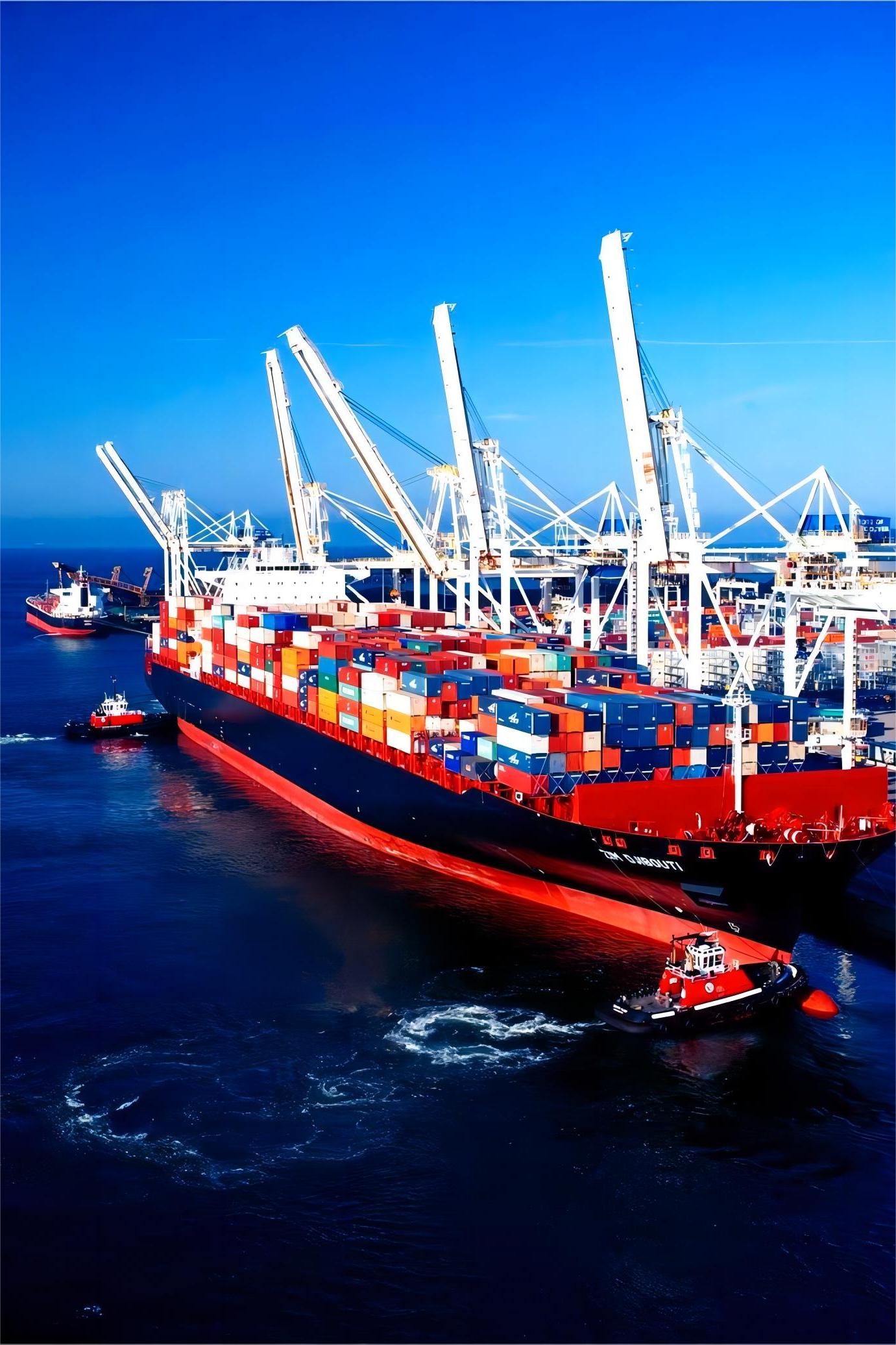
Budget priority dictates a move toward sea freight for non-urgent inventory replenishment. If your primary goal is to minimize the cost per unit, shipping large volumes via 40HQ containers remains the most effective strategy. However, you must account for the longer transit times by maintaining a safety stock in your local market.
Speed priority requires the use of air freight or express courier services. When launching a time-sensitive product or fulfilling backorders, the higher expense is often justified by the potential for immediate revenue. In these cases, the door-to-door transit time is usually less than ten days.
Cargo type considerations also play a vital role in your decision-making process. Perishable goods or hazardous materials require specialized handling and faster routes to maintain product integrity. Meanwhile, bulky or heavy machinery is almost exclusively transported via sea freight due to physical constraints and extreme air transport costs.
Final Thoughts on China Fulfillment Center Logistics
To summarize, leveraging a china fulfillment center service door delivery is a transformative strategy for businesses looking to scale internationally. By integrating warehousing, customs clearance, and final mile delivery into a single workflow, you reduce complexity and overhead costs. Transitioning to this model allows for greater transparency and control over your global inventory.
As we navigate the logistics landscape of 2026, staying informed about market trends and shipping alternatives is essential. Whether you choose sea, air, or rail, the key to success lies in partnering with a provider that understands the nuances of cross-border trade. Start optimizing your delivery schedule today to ensure your products reach customers faster and more reliably than ever before.
Start Your Shipment
Ready to optimize your supply chain with a reliable china fulfillment center service door delivery? Contact our expert team today to receive a customized quote and discover how we can streamline your international logistics. Send Inquiry: info@chinatopfreight.com
Request Quote