

China National Day Shipping to Germany: 2026 Logistics Guide
Navigating China National Day shipping to Germany presents unique capacity challenges as factory output slows and logistics hubs experience a significant pre-holiday rush. Many shippers face unexpected delays and rising costs due to poor planning around terminal cut-offs and limited space availability during this critical week. By working with a specialized partner like China Top Freight, you can transform these seasonal bottlenecks into a structured, reliable transit plan. This guide provides actionable insights into managing your cargo flow, optimizing mode selection, and ensuring compliance for your 2026 shipments.
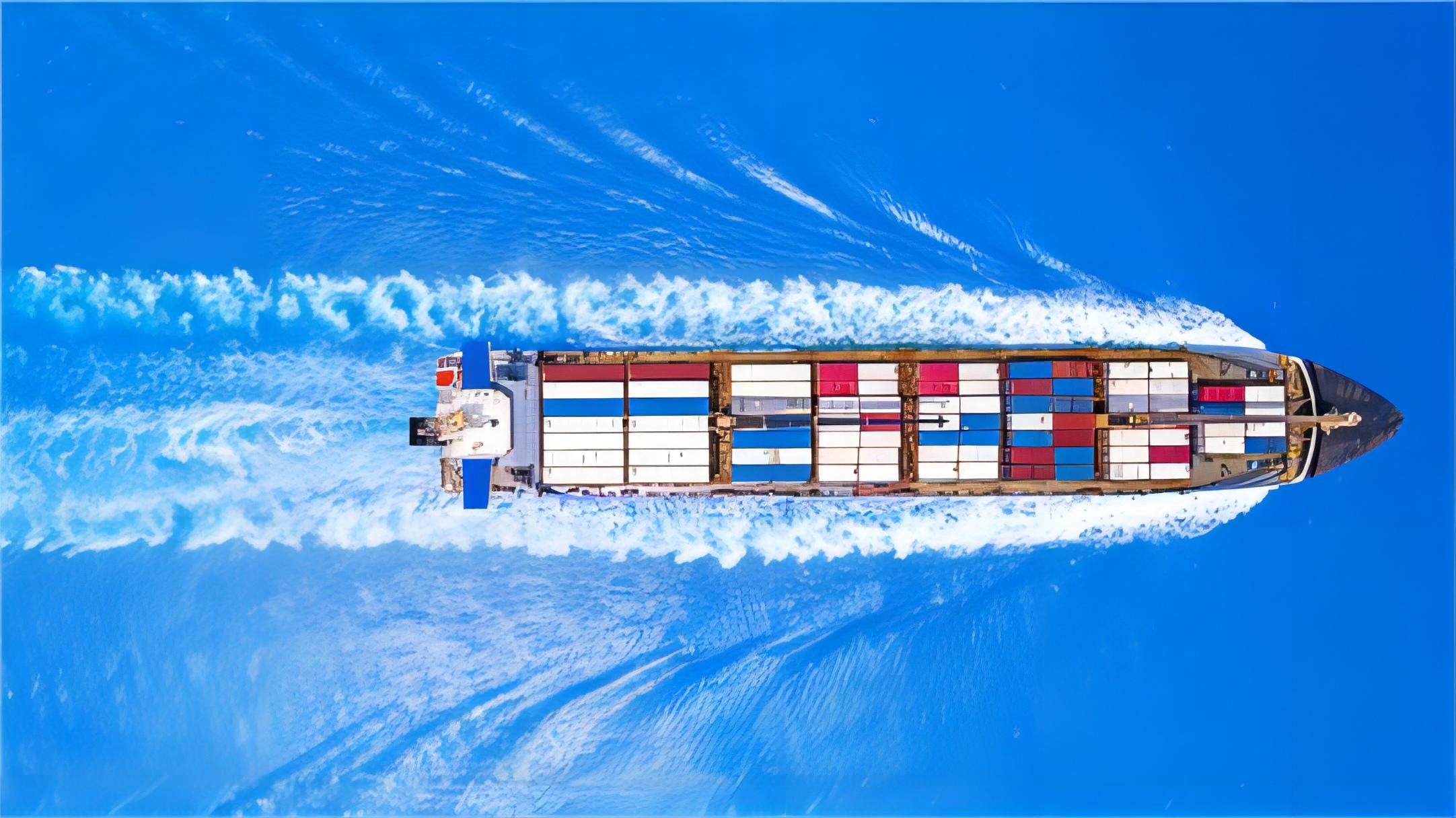
Key Takeaways
A standard 40HQ container provides approximately 68-70 CBM of usable space for dense palletized cargo.
Expect a 28-35 day door-to-door transit time for ocean freight from Shanghai to Rotterdam or Hamburg.
Air freight chargeable weight is calculated as the greater of actual weight or volumetric weight (CBM x 167).
Final customs clearance in Germany requires an active EORI number and valid ICS2 data submission prior to arrival.
Booking space at least 3-4 weeks before the National Day holiday is essential to avoid peak surcharges.
What Should Buyers Know First About China National Day to Germany?
The China National Day holiday period, typically starting October 1st, triggers a significant shift in logistics operations across both origin and Hamburg/Duisburg. During this time, manufacturing facilities in China often close for a week, leading to a massive push to ship goods beforehand, which creates immediate pressure on port capacity and container availability. Shippers must anticipate that local trucking services and customs offices in China will operate with reduced staff, potentially slowing down the movement of goods from factory floors to the port of origin.
Preparation for this corridor requires a proactive approach where cargo readiness is synchronized with carrier sailing schedules well before the holiday begins. When planning for China National Day shipping to Germany, the risk of ‘rolled’ cargo increases significantly if bookings are not confirmed at least three weeks in advance. Buyers should communicate clearly with their manufacturing partners to ensure that all goods are packed, palletized, and ready for pickup, avoiding the common mistake of last-minute changes that lead to missed vessel cut-offs.
Effective mitigation involves securing space allocations early and maintaining open lines of communication with your logistics provider to monitor real-time port congestion data. It is critical to reconcile your production timelines with the specific cut-off dates provided by shipping lines to ensure your cargo arrives in Germany without undue dwell time. By treating the holiday as a planned seasonal event rather than an emergency, importers can protect their supply chain integrity and avoid the costly spot-market premiums associated with last-minute booking desperation.
Field note: Focus on early booking to mitigate space scarcity.
Common mistake: Waiting for production completion before securing container space.
Risk alert: Cargo rolling is highly probable if booking is delayed past mid-September.
How Do Routing and Gateway Choices Affect This Lane?
Selecting the right gateway is a fundamental decision that dictates the speed and cost-efficiency of your China National Day shipping to Germany. Most freight from China to Germany flows through major ports such as Shanghai or Ningbo, reaching European hubs like Rotterdam or Hamburg before final inland transit. The choice between a direct port-to-port service and a multimodal solution depends largely on your cargo’s final destination within Germany and the urgency of your delivery requirements.
Gateway performance can vary significantly during the peak season, with major ports experiencing increased yard density and longer drayage wait times. For inland German cities, utilizing rail-to-truck services via Duisburg or Hamburg can often bypass the congestion of traditional port-side container yards, providing a more predictable timeline. Shippers should evaluate the distance from the port to their final warehouse, as the final-mile trucking segment often becomes the most significant bottleneck during holiday-influenced peak periods.
Strategic routing requires a balance between transit time and total landed cost, especially for high-value or time-sensitive consumer goods. Working with a provider that offers flexible sea freight solutions ensures that you have access to multiple carrier options, reducing reliance on a single vessel or terminal. Always confirm the current terminal status and drayage availability at your chosen destination port to ensure that your goods do not incur unnecessary storage fees once they arrive in the EU customs territory.
| Equipment Type | Internal Volume (CBM) | Max Payload (kg / lbs) | Optimal Commodity Fit |
|---|---|---|---|
| 20ft Standard (20GP) | 28–30 CBM (26 usable) | 21,800 kg / 48,000 lbs | Dense, heavy cargo (machinery, auto parts, metals) |
| 40ft Standard (40GP) | 58–60 CBM (54 usable) | 26,500 kg / 58,400 lbs | General packaged cargo, standard palletized loads |
| 40ft High Cube (40HQ) | 68–76 CBM (68 usable) | 26,500 kg / 58,400 lbs | Bulky, lightweight goods (furniture, textiles, electronics) |
| 45ft High Cube (45HQ) | 85–86 CBM (78 usable) | 27,500 kg / 60,600 lbs | High-volume consumer retail distribution |
Field note: Rail options are increasingly viable for inland German destinations.
Common mistake: Overlooking the final-mile drayage capacity in Germany.
Risk alert: Port congestion at Hamburg can extend discharge by 5+ days.
Which Rail Gateways and Border Cut-offs Apply on This Lane?

Compliance is the backbone of smooth international trade, particularly when shipping from China to Germany where EU import regulations are strictly enforced. Ensuring that your Commercial Invoice, Packing List, and transport documentation are accurate is not merely a formality but a requirement for clearing customs without delays. Discrepancies in HS codes, declared values, or weight calculations can trigger automated audits by German customs authorities, leading to costly inspections and storage charges that drain your budget.
For China National Day shipping to Germany, the documentation process must be initiated well in advance to account for the closure of administrative offices in China. Ensure that all data, including the EORI number for the importer and the correct commodity descriptions, is submitted via your customs clearance services partner before the vessel departs. This proactive documentation flow allows for pre-clearance procedures in the EU, significantly reducing the dwell time of your cargo upon arrival at the destination port.
Documentation accuracy prevents the common pitfall of ‘Customs Hold’, which is increasingly prevalent during high-volume periods when authorities perform more frequent checks. Verify that all transport documents, such as the Bill of Lading, match the commercial records exactly to avoid discrepancies that could stall the release of your goods. Maintaining a rigorous document checklist for every shipment ensures that your supply chain remains transparent, auditable, and resilient against regulatory scrutiny at the German point of entry.
Field note: Always verify HS codes against the TARIC database.
Common mistake: Submitting incomplete packing lists that lack piece-level weight.
Risk alert: Incorrect HS codes are the leading cause of EU customs audits.
What Transit Timeline Should You Expect?
The transit timeline for shipping between China and Germany is influenced by the selected mode of transport and the current state of global carrier networks. Ocean freight, while the most economical choice for bulk shipments, typically requires 28 to 35 days for a door-to-door journey, accounting for port-to-port transit, customs processing, and final-mile delivery. During the China National Day period, buyers should add a 5 to 7-day buffer to these estimates to account for potential carrier delays and terminal congestion at both ends of the lane.
Air freight remains the premier choice for urgent, high-value, or time-critical shipments, offering a significantly faster transit time of 3 to 7 days. While this mode carries a higher cost, it provides the reliability needed when production schedules are tight or inventory levels are critical for retail operations. When choosing air freight, it is vital to account for the time required for ground handling at major airports like Frankfurt or Amsterdam, as well as the final road-feeder service to your German warehouse.
Understanding these timelines allows for better inventory planning and prevents the need for expensive expedited solutions later in the process. We recommend that importers monitor their shipment milestones closely using digital tracking tools, which provide visibility into vessel departures and arrivals. By setting realistic expectations for transit, you can effectively manage stakeholder communication and ensure that your business operations are not interrupted by the seasonal fluctuations inherent in the China-to-Europe trade lane.
| Milestone | Typical Window | Owner | Delay Risk if Missed |
|---|---|---|---|
| Origin pickup / CY gate-in | T-5 to T-2 days before ETD | Shipper / drayage | Rolled booking & demurrage at origin |
| Border / port arrival | Mode-specific ETA band | Carrier / broker | Detention & storage accrual |
| Customs release | 24–72h after arrival (mode-dependent) | Licensed broker | Terminal hold & delivery slip |
| Final delivery appointment | Within free-time window | Consignee / carrier | Driver detention & re-delivery fees |
Field note: Always build a 7-day buffer for holiday-period shipments.
Common mistake: Using best-case transit times for inventory planning.
Risk alert: Carrier blank sailings can add 10+ days to ocean transit.
How Are Landed Costs Typically Built?
Building an accurate landed cost for your shipments requires a comprehensive understanding of all fees from the origin factory to the final German destination. The cost structure typically includes freight rates, terminal handling charges (THC), fuel surcharges, customs brokerage fees, and import duties/taxes. During the National Day holiday, spot rates often experience volatility, making it crucial for shippers to lock in fixed-rate contracts or secure inclusive quotes that detail every potential accessorial fee to avoid invoice shock upon arrival.
Landed costs are further impacted by the choice of Incoterms, which define the transfer of risk and cost between the buyer and the seller. For instance, using DDP (Delivered Duty Paid) simplifies the process by shifting the responsibility of customs and taxes to the seller, though this often comes with a premium for the added administrative work. Conversely, FOB (Free On Board) allows the importer more control over the logistics chain and logistics provider selection, which can be more cost-effective if you have an established relationship with a forwarder.
To manage landed costs effectively, importers should request an itemized proposal that separates core freight from destination-specific accessorials. This transparency allows for a better assessment of where costs can be optimized, such as consolidating smaller shipments into a single FCL container to reduce the per-unit shipping cost. By carefully auditing every line item, you can ensure that your financial forecasting remains accurate and your procurement strategy stays competitive in the face of fluctuating market rates.
Field note: Request itemized quotes to avoid hidden destination fees.
Common mistake: Ignoring the impact of currency fluctuations on freight invoices.
Risk alert: Unforeseen demurrage charges can inflate landed costs by 20%.
Which Documents and Compliance Checks Apply?
Compliance checks in Germany are stringent, focusing on ensuring that all imported goods meet EU quality, safety, and environmental standards. The import process involves the submission of an Entry Summary Declaration (ENS) via the ICS2 system to ensure security compliance before the vessel reaches the first EU port. Failure to comply with these security filings can lead to severe penalties, cargo seizure, or extended delays at the port of entry, causing significant disruptions to your downstream supply chain and distribution schedules.
Beyond security filings, specific commodities may require additional certifications, such as CE marking for electronics or specific health certificates for food products. It is the importer’s responsibility to ensure that these documents are available and valid before the cargo arrives. Working with a professional logistics partner helps navigate these complexities, as they provide the necessary guidance on regional requirements and ensure that all documentation is correctly prepared and submitted on time.
Regular audits of your compliance processes can prevent systemic issues that lead to repeated customs holds. Importers should maintain a digital archive of all past shipments, including commercial invoices, packing lists, and proof of duty payments, which serves as a valuable resource during customs inquiries. By staying informed about changes in European customs legislation, you can adjust your compliance strategy proactively, ensuring that your business remains in good standing with local authorities while minimizing the risk of administrative friction.
| Document / Filing | Lead Time | Responsible Party | Hold if Missing |
|---|---|---|---|
| ICS2 Entry Summary (ENS) | Pre-arrival cut-off by mode | Carrier / Declarant | Do-not-load / diversion |
| ATLAS import declaration | At clearance / transit close | Importer / Broker | Bonded hold |
| EORI registration | Before first EU/DE import | Importer | Unable to lodge entry |
| T1 transit / CMR (rail-truck) | Before terminal discharge handoff | Carrier / Broker | Terminal dwell & refile |
| Commercial invoice + packing list | With entry packet | Exporter | Valuation / exam delay |
Field note: Ensure your EORI number is active and linked to the importer of record.
Common mistake: Failing to provide CE certification for applicable electronics.
Risk alert: Non-compliance with ICS2 data requirements can result in immediate cargo hold.
How Do Peak Seasons Affect Capacity and Pricing?
Peak season dynamics are particularly pronounced during the China National Day holiday, as the sudden surge in demand for space outstrips available capacity. When supply is low and demand is high, carrier rates naturally rise, and the priority for space is often given to larger, long-term contracted cargo. This environment forces smaller shippers into the spot market, where pricing is significantly more volatile and the risk of booking cancellation is at its highest, requiring careful navigation and strategic planning.
To mitigate the impact of peak season pricing, many businesses adopt a ‘volume smoothing’ strategy, where they accelerate production and shipping schedules to avoid the peak period entirely. If this is not possible, the next best defense is to work with an experienced forwarder who has established space allocations with major carriers. These partnerships can provide a buffer against the most aggressive price spikes, ensuring that your cargo maintains its priority status even when space is at a premium across the network.
Monitoring market indicators, such as the SCFI (Shanghai Containerized Freight Index) or carrier blank sailing announcements, provides early warning signs of capacity tightening. Importers should use this data to inform their decision-making, such as opting for alternative routes or modes if the primary gateway becomes too congested. By remaining flexible and keeping a close watch on the market, you can maintain a resilient supply chain that is capable of weathering the seasonal storms that characterize international trade in this corridor.
Field note: Lock in space 4+ weeks out to avoid peak spot-market premiums.
Common mistake: Assuming that space will be available at the last minute.
Risk alert: Carrier blank sailings are common during post-holiday weeks.
What Is the Step-by-Step Process from Quote to Delivery?
The journey from a freight quote to final delivery is a multi-stage process that demands precision at every handoff. It begins with a detailed shipment profile capture, where you provide the cargo-ready date, dimensions, weight, and Incoterms to your forwarder. This foundational data allows for the selection of the most appropriate mode and service scope, ensuring that your logistics plan is aligned with your budget and transit requirements before any space is reserved or cargo is moved.
Once the service scope is agreed upon, the process moves to documentation and compliance, where all necessary filings, including the commercial invoice and packing list, are finalized. After this, your forwarder secures space with the carrier and confirms the export cut-off window in writing. For China National Day shipping to Germany, this step is critical; ensuring your cargo reaches the terminal before the cut-off prevents it from being left behind, which is a frequent issue during this busy period.
The final stages involve mainhaul tracking and destination release, during which your logistics partner monitors the shipment and manages the customs clearance process in Germany. Upon arrival, the cargo is cleared through customs and prepared for final-mile delivery to your specified location. By following this structured logistics guide, you can ensure that each milestone is met with care, resulting in a reliable and efficient delivery that supports your overall business goals.
Field note: Clear communication at each step is the key to success.
Common mistake: Failing to confirm the final delivery appointment in advance.
Risk alert: Missing the export cut-off is the most common cause of shipment delay.
Decision Framework
By volume: Under a few EUR-pallets, LTL terminal trucking wins on cost; full 40HQ / block-train lots shift to scheduled rail-to-truck once cube fills the wagon plan.
By speed: Urgent shipments favor direct cross-dock trucking from Duisburg/Hamburg; standard China–EU flows use scheduled rail-to-truck slot bookings with T1 closed before discharge.
By cargo profile: Verify EUR-pallet specs, T1 transit bonds, EORI validation, and ICS2/ATLAS data prior to German terminal discharge.
Real-World Corridor Case Studies
A German automotive manufacturer needed to move 50 CBM of critical engine parts before the China National Day factory closures. We utilized an FCL 40HQ solution, coordinating early pickup to avoid port congestion. Despite the holiday surge, the cargo was pre-cleared for EU entry, allowing for immediate drayage to the client’s plant upon vessel discharge.
A client required urgent delivery of 12 pallets of precision medical devices. Given the high value and strict temperature requirements, we opted for direct air freight from Shenzhen. By managing the AWB documentation and pre-filing the customs entry, we ensured the shipment cleared HH airport customs within 24 hours of arrival.
Execution Checklist for China National Day to Germany
Locking the operational sequence for China National Day shipping to Germany involves meticulous cargo profiling, mode selection, and rigorous compliance management. By ensuring your documents are in order and booking space well before the holiday rush, you create a robust buffer against the seasonal volatility that affects this high-demand trade lane.
Write fee exclusions and cut-off commitments into your logistics award so post-arrival surprises stay off your bottom line. Taking these proactive steps ensures that your supply chain remains resilient, predictable, and fully optimized for the 2026 peak season and beyond.
Process and Checkpoints
Shipment Profile Capture
Confirm cargo-ready date, CBM/weight, commodity, HS code, and Incoterms.
Mode & Service Scope Selection
Compare air / LCL / FCL (or specialty) against transit and landed-cost targets.
Documentation & Compliance Gate
Align commercial invoice, packing list, and any specialty filings before booking.
Space Booking & Cut-off Lock
Reserve carrier/co-loader space and confirm export cut-off windows in writing.
Mainhaul & Milestone Tracking
Monitor departure, arrival, and exception alerts against the awarded transit plan.
Destination Release & Delivery
Clear destination formalities and complete final-mile delivery to the agreed door.
Confirm the right route for your shipment
Ready for a scoped proposal on your China National Day shipping to Germany? Share your origin, destination, cargo-ready date, and shipment details today to secure your capacity.
Request a route reviewFrequently Asked Questions
How do destination demurrage and detention charges accrue on 40HQ containers?
Demurrage and detention charges accrue once the allotted ‘free time’ at the terminal or warehouse is exceeded. These costs are calculated daily and can escalate rapidly during peak holiday periods when port yard density is high.
What hidden accessorial fees often cause freight invoice shocks?
Hidden fees often include terminal handling charges (THC), documentation processing fees, fuel surcharges, and emergency peak season surcharges. Always request an itemized, all-inclusive quote to understand the full cost structure.
Which documents must be verified prior to requesting a Telex release?
You must verify the original Bill of Lading, commercial invoice, and proof of payment. Ensuring these documents are fully reconciled prevents the carrier from restricting the release of your cargo at the destination.
How can multi-supplier shippers prevent CFS dead-space penalties?
By utilizing professional consolidation services, shippers can optimize container utilization. Forwarders use warehouse management systems to stack cargo efficiently, ensuring you only pay for the space your goods actually consume.
When is the mandatory cut-off time for submitting security documentation?
Security documentation, such as the ICS2 Entry Summary Declaration, must be submitted to EU authorities before the cargo is loaded onto the vessel at the port of origin. Missing this window will result in a mandatory hold.
Where does the freight forwarder take legal custody of multi-supplier cargo?
The freight forwarder typically takes legal custody at the point of CFS (Container Freight Station) intake. Once the goods are received, inspected, and consolidated, the forwarder assumes responsibility for the shipment until it is delivered to the final destination.
Rates and surcharges fluctuate; request an itemized quote.
Informational only; not binding legal/tax/customs advice.
Benchmarks reflect standard 2026 practice for this corridor.