

China Ocean Freight Increase: Navigating Rising Costs & Solutions
The recent China ocean freight increase presents significant challenges for importers worldwide. Businesses are grappling with higher shipping costs and extended transit times, impacting their bottom line. Understanding the underlying causes and implementing effective strategies is crucial for maintaining a competitive edge. China Top Freight offers comprehensive solutions to help you navigate this complex landscape.
✦
Understanding the Recent China Ocean Freight Increase
Presently, the global shipping industry is experiencing considerable volatility, leading to a notable China ocean freight increase. This upward trend is influenced by a confluence of economic and logistical factors. Businesses must therefore adapt quickly to these changing market dynamics.

Specifically, a significant surge in global demand, particularly from e-commerce, has outpaced available vessel capacity. Consequently, this demand-supply imbalance drives up container shipping rates from China. Importers are finding it increasingly difficult to secure space at pre-pandemic prices.
Moreover, escalating fuel costs directly contribute to higher operational expenses for shipping lines. These costs are often passed on to shippers through various surcharges. Furthermore, geopolitical events and ongoing disruptions, such as those in the Red Sea, force vessels to take longer routes, increasing transit times and fuel consumption.
Additionally, port congestion at major hubs globally continues to cause delays and inefficiencies. This bottleneck effect ties up valuable vessel and container resources for longer periods. Ultimately, these cumulative pressures result in the sustained high cost of China export logistics.
Key Factors Driving Up Shipping Costs from China
Several interconnected factors are consistently pushing up ocean freight costs from China. Identifying these elements is the first step toward developing effective mitigation strategies. Understanding the root causes provides valuable insight into market behavior.
Global Demand-Supply Imbalance
Following the global economic recovery, consumer demand for goods manufactured in China has surged dramatically. However, the existing fleet of container ships and available port infrastructure have struggled to keep pace. This imbalance creates a seller’s market for shipping lines, enabling them to command higher freight rates.
The rapid growth of online retail further exacerbates this situation. More goods are being shipped directly to consumers, necessitating efficient but often costly logistics solutions. This sustained demand keeps pressure on global supply chain disruptions China.
Geopolitical and Environmental Pressures
Geopolitical tensions and regional conflicts significantly impact established trade routes. For example, the ongoing situation in the Red Sea has forced many carriers to reroute vessels around the Cape of Good Hope. This diversion adds thousands of nautical miles to journeys, increasing transit time and fuel expenditure.
Furthermore, new environmental regulations, such as stricter emissions standards, require shipping lines to invest in cleaner fuels or new technologies. These compliance costs are inevitably incorporated into freight charges. Therefore, regulatory changes also contribute to the overall China ocean freight increase.
Port Congestion and Equipment Shortages
Major shipping ports worldwide frequently experience severe congestion, leading to considerable delays. This backlog is often due to labor shortages, inefficient infrastructure, or sudden surges in cargo volume. Vessels waiting to berth can incur significant demurrage charges, which are passed down the supply chain.
Concurrently, there is a persistent shortage of empty containers in key export regions like China. Containers are often stuck in destination ports due to slow turnaround times, creating an artificial scarcity. This container availability issue directly impacts the ability to ship goods efficiently and cost-effectively.
Fuel Price Volatility
The price of bunker fuel, a primary expense for shipping operations, remains highly volatile. Global oil market fluctuations directly influence ocean freight costs. Shipping lines typically implement Bunker Adjustment Factors (BAF) or fuel surcharges to account for these unpredictable changes.
Consequently, importers often see unexpected additional costs on their invoices, making budgeting more challenging. Monitoring global energy markets is therefore essential for anticipating potential shifts in freight rates.
Impact on Businesses: Navigating Higher China Freight Rates
The sustained China ocean freight increase profoundly affects businesses of all sizes. These rising costs can erode profit margins and necessitate difficult strategic adjustments. Understanding these impacts is key to developing resilient business models.
Firstly, increased shipping expenses directly translate to higher landed costs for imported goods. This pressure often forces businesses to either absorb the additional cost or pass it on to consumers through price increases. Neither option is ideal in a competitive market.
Secondly, the unpredictability of freight rates makes financial planning and budgeting extremely challenging. Companies struggle to forecast expenses accurately, leading to potential cash flow issues. Managing increased shipping from China requires robust financial oversight and flexible planning.
Finally, supply chain reliability is compromised due to delays, port congestion, and longer transit times. This can lead to stockouts, missed sales opportunities, and damage to customer satisfaction. Businesses must prioritize supply chain resilience to mitigate these risks effectively.
Strategic Approaches to Mitigate China Ocean Freight Increase
While a China ocean freight increase presents hurdles, several proactive strategies can help businesses reduce exposure and optimize their logistics. Implementing these approaches can lead to significant cost savings and improved efficiency. Smart planning is paramount for navigating higher China shipping prices.
Early Planning and Booking
Securing vessel space well in advance is one of the most effective ways to manage freight costs. Last-minute bookings often incur premium rates due to limited availability. Planning shipments weeks or even months ahead allows for better rate negotiation and guaranteed space.
Therefore, establishing a clear shipping schedule and communicating regularly with your freight forwarder is essential. This proactive approach helps avoid peak season surcharges and unexpected delays. It’s a key strategy for optimizing China ocean logistics.
Shipment Consolidation and Optimization
For smaller shipments, consolidating multiple orders into a single Less than Container Load (LCL) shipment can be cost-effective. Alternatively, for larger volumes, ensuring a Full Container Load (FCL) is maximized reduces per-unit costs. Efficient packing and loading are crucial for optimizing container space.
Utilizing expert services for sea freight consolidation can significantly lower your expenses. This approach allows businesses to only pay for the space they use, rather than an entire container. It’s an excellent way to manage rising ocean freight costs from China.
Diversifying Logistics Partners
Relying on a single carrier or freight forwarder can limit your options during periods of high demand or rate increases. Developing relationships with multiple logistics partners provides flexibility and competitive pricing. Regular market research helps identify the best service providers.
Moreover, negotiating long-term contracts with preferred partners can offer rate stability, even amidst market fluctuations. This strategy builds resilience into your supply chain and helps secure favorable terms. It is a vital part of strategies for China freight budget.
Leveraging Technology and Data Analytics
Modern logistics platforms offer advanced tools for tracking, forecasting, and managing shipments. Utilizing these technologies provides real-time visibility into your supply chain, enabling quicker decision-making. Data analytics can identify trends and potential bottlenecks before they become critical issues.
Furthermore, automated systems can streamline documentation, reducing administrative errors and delays. Embracing digital solutions is key to achieving greater efficiency and cost control in a dynamic market. This helps in understanding China sea cargo fluctuations.
How Does Ocean Freight Compare to Other Shipping Options from China?
When facing a China ocean freight increase, exploring alternative shipping methods becomes essential. Each mode of transport offers distinct advantages and disadvantages regarding cost, speed, and capacity. Strategic selection depends heavily on your specific business needs.
Indeed, a comprehensive comparison helps importers make informed decisions, balancing urgency with budget constraints. This section provides an objective analysis of viable alternatives for shipping from China to various global destinations. We aim to identify the most cost-effective shipping China solutions.
| Shipping Method | Cost Range (Avg. 40HQ/1000kg) | Transit Time (China-Europe/USA) | Best For | Limitations |
|---|---|---|---|---|
| Ocean Freight (FCL) | $3,000 – $6,000 | 28-40 days | Large volumes, heavy goods, non-urgent | Slowest, port congestion, high minimum volume |
| Ocean Freight (LCL) | $80 – $150 per CBM | 35-50 days | Small to medium volumes, non-urgent | Slower than FCL, potential for delays, complex handling |
| Rail Freight | $8,000 – $12,000 | 16-22 days (China-Europe) | Medium volumes, time-sensitive (Europe only) | Limited routes, not global, capacity constraints |
| Air Freight | $4 – $8 per kg | 3-7 days | Urgent, high-value, small volumes, samples | Most expensive, weight/volume restrictions, environmental impact |
| Express Service | $6 – $12 per kg | 1-5 days | Very urgent, documents, small parcels | Extremely expensive, very strict size/weight limits |
Choosing the Right Shipping Strategy: A Decision Framework
Selecting the optimal shipping method from China requires careful consideration of several key factors. There is no one-size-fits-all solution; indeed, the best choice depends on your specific priorities. This framework helps in navigating your China export logistics challenges effectively.
Prioritizing Cost-Effectiveness
If budget is your primary concern and time is not critical, ocean freight, particularly LCL for smaller shipments or FCL for larger ones, remains the most economical option. Planning well in advance further reduces costs by avoiding expedited services. Consider consolidating shipments to maximize container utilization.
For instance, if you are shipping non-perishable goods with flexible delivery windows, sea freight is almost always the cheapest. This method is ideal for businesses with stable inventory needs and long lead times. It provides the most cost-effective shipping China solutions.
Prioritizing Speed and Urgency
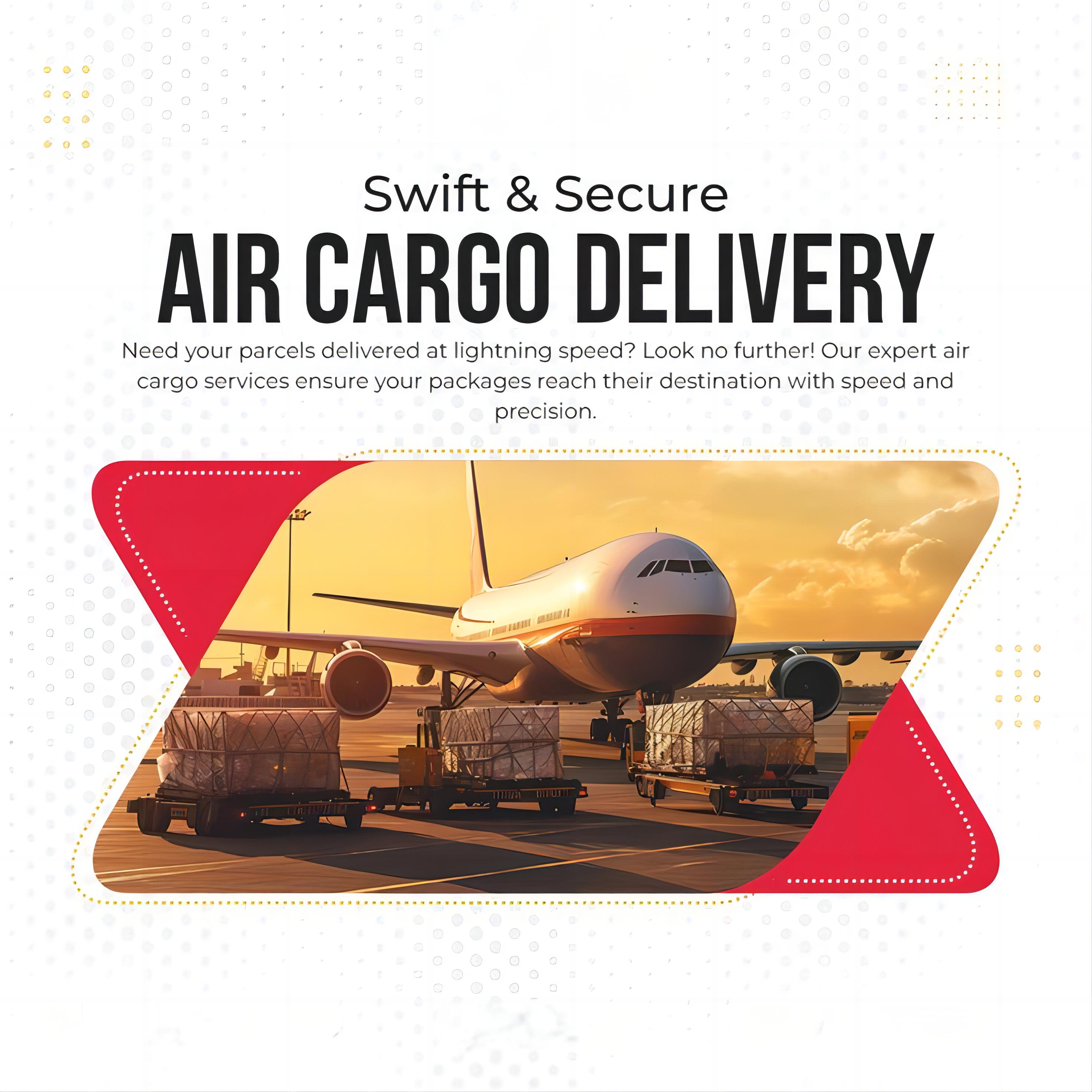
When speed is paramount, air freight or express services are indispensable. These options significantly reduce transit times, crucial for time-sensitive goods or urgent replenishment. While more expensive, the speed can prevent stockouts and meet tight deadlines.
For example, high-value electronics, fashion items with short seasons, or critical components often justify the higher cost of air shipping. This choice ensures rapid market entry and minimizes potential revenue loss from delays. It helps in managing increased shipping from China effectively.
Cargo Type and Volume Considerations
The nature and volume of your cargo heavily influence the best shipping method. Heavy, bulky, or hazardous materials are typically best suited for ocean freight due to capacity and regulatory considerations. Small, light, and high-value items might be better suited for air freight.
For shipments around 15-20 CBM (cubic meters), evaluating both LCL sea freight and potentially rail freight (to Europe) is advisable. Above this threshold, FCL sea freight usually becomes the most economical choice. Understanding these thresholds is key to optimizing your logistics.
Hybrid Solutions and Multimodal Transport
For an optimal balance of cost and speed, consider multimodal transport solutions. This involves combining different shipping methods, such as sea-air or rail-sea. For instance, goods could travel by sea to a regional hub and then by air for the final leg, saving time compared to pure sea freight but costing less than pure air freight.
Furthermore, options like door-to-door services simplify complex multimodal logistics. A single provider manages the entire journey, from factory pickup in China to final delivery. This streamlined approach minimizes coordination efforts and potential delays.
Real-World Case Studies: Adapting to China Ocean Freight Increases
Exploring practical examples demonstrates how businesses successfully navigate the challenges of a China ocean freight increase. These case studies highlight various strategies and their measurable outcomes. They provide tangible insights into managing rising shipping costs from China.
Note: Freight rates are subject to change based on fuel costs, carrier capacity, and seasonal demand. Contact us for a current quote tailored to your specific shipment. The following figures are based on Q3 2024 market rates for illustrative purposes.
Case Study 1: E-commerce Retailer Optimizes Inventory for Peak Season
This case study illustrates how an e-commerce business successfully managed increased shipping from China during a critical sales period. They leveraged strategic planning to mitigate rising costs and ensure timely delivery. The focus was on balancing inventory levels with shipping lead times.
| Detail | Description |
|---|---|
| Route | Shanghai, China -> Los Angeles, USA |
| Cargo | Seasonal Apparel, 35 CBM, 4,500 kg |
| Container | FCL 40HQ |
| Shipping Method | Ocean Freight (Direct Service) |
| Carrier/Service | Major carrier (e.g., COSCO) |
| Port of Loading | Shanghai |
| Port of Discharge | Los Angeles |
| Route Type | Direct |
| Ocean Freight | $3,800 |
| Origin Charges | $450 |
| Destination Charges | $600 |
| Customs & Duties (estimated) | $1,200 |
| Total Landed Cost | $6,050 |
| Booking to Loading | 7 days |
| Sea Transit | 16 days |
| Customs Clearance | 3 days |
| Total Door-to-Door | 28 days (including drayage) |
| Key Insight | Early booking (6 weeks out) secured a favorable rate, avoiding peak season surcharges. This allowed for stable pricing despite general market increases. This approach supported their Amazon FBA strategy. |
Case Study 2: Industrial Parts Manufacturer Reduces Air Freight Reliance
An industrial manufacturer faced urgent component needs but wanted to reduce expensive air freight usage. They opted for a hybrid solution, combining sea and express services for critical parts. This strategy balanced cost savings with necessary speed for their production line.
| Detail | Description |
|---|---|
| Route | Ningbo, China -> Hamburg, Germany |
| Cargo | Machinery components, 8 CBM, 1,200 kg |
| Container | LCL 8 CBM |
| Shipping Method | Ocean Freight (LCL) + Rail for final leg |
| Carrier/Service | Consolidator + Rail operator |
| Port of Loading | Ningbo |
| Port of Discharge | Hamburg |
| Route Type | Transshipment via Singapore, then direct to Hamburg |
| Ocean Freight | $960 (LCL @ $120/CBM) |
| Origin Charges | $300 |
| Destination Charges | $400 |
| Customs & Duties (estimated) | $550 |
| Total Landed Cost | $2,210 |
| Booking to Loading | 10 days |
| Sea Transit | 35 days |
| Customs Clearance | 4 days |
| Total Door-to-Door | 49 days |
| Key Insight | By planning ahead for non-urgent components, they significantly reduced air freight expenditure. They maintained a small emergency stock for urgent needs. This provided cost-effective shipping China solutions. |
Case Study 3: Small Business Utilizes Door-to-Door for Simplicity
A small business importing various consumer goods sought a simplified shipping process. They chose a door-to-door service to manage the entire logistics chain, despite the China ocean freight increase. This allowed them to focus on sales rather than complex shipping coordination.
| Detail | Description |
|---|---|
| Route | Shenzhen, China -> Sydney, Australia |
| Cargo | Mixed consumer goods, 12 CBM, 1,800 kg |
| Container | LCL 12 CBM |
| Shipping Method | Ocean Freight (LCL) Door-to-Door |
| Carrier/Service | Integrated logistics provider |
| Port of Loading | Shenzhen |
| Port of Discharge | Sydney |
| Route Type | Direct |
| Ocean Freight (all-inclusive) | $2,100 (LCL @ $175/CBM) |
| Origin Charges | Included |
| Destination Charges | Included |
| Customs & Duties (estimated) | $700 |
| Total Landed Cost | $2,800 |
| Booking to Loading | 8 days |
| Sea Transit | 18 days |
| Customs Clearance | 5 days |
| Total Door-to-Door | 31 days |
| Key Insight | The all-inclusive door-to-door service, while potentially slightly higher upfront, saved significant time and reduced administrative burden. This allowed the small business to scale without needing in-house logistics expertise. It simplified navigating higher China shipping prices. |
Optimizing the Entire Import Process: Beyond Freight Rates
Managing a China ocean freight increase involves more than just selecting the right shipping method. A holistic approach to the entire import process can yield substantial savings and efficiencies. Every stage of the supply chain offers opportunities for optimization.
Consider the broader context of your import operations. From supplier management to final delivery, each step contributes to the overall cost and timeline. Proactive management across these areas is crucial for overall success.
Customs Brokerage and Compliance
Efficient customs clearance is critical to avoiding costly delays and penalties. Engaging experienced customs brokerage services ensures all documentation is accurate and compliant with regulations. Incorrect paperwork can lead to goods being held at port, incurring storage fees.
Furthermore, understanding import duties and taxes beforehand helps in accurate financial planning. A skilled customs broker can also advise on potential duty drawback programs or preferential trade agreements. This proactive approach minimizes unforeseen expenses related to customs.
Insurance and Risk Management
Protecting your cargo against loss or damage during transit is paramount. While carriers offer limited liability, comprehensive cargo insurance provides peace of mind and financial security. The cost of insurance is typically a small percentage of the cargo value but offers significant protection.
Moreover, implementing robust risk management strategies, such as using reputable carriers and secure packing, can further reduce potential issues. These measures are essential for safeguarding your investment, especially given the complexities of global supply chain disruptions China.
Warehousing and Distribution
Optimizing warehousing and distribution strategies can significantly impact overall logistics costs. Strategic placement of distribution centers can reduce final-mile delivery expenses and transit times to customers. Efficient inventory management also minimizes storage costs and prevents stockouts.
Additionally, exploring cross-docking or just-in-time inventory models can further streamline operations. Integrating these post-arrival processes seamlessly with your shipping strategy enhances overall supply chain efficiency. This holistic view is vital for comprehensive cost control.
The Outlook for China Ocean Freight Rates in 2025 and Beyond
Forecasting the future of China ocean freight rates involves analyzing various economic indicators and geopolitical trends. While immediate volatility may persist, there are signs of potential stabilization in the long term. Businesses should remain agile and adaptable to market shifts.
Industry experts suggest that new vessel deliveries in late 2024 and 2025 could gradually ease the supply-demand imbalance. However, unforeseen global events or sustained high fuel prices could still trigger further rate fluctuations. Therefore, continuous monitoring of the China freight market outlook is crucial.
Furthermore, increased investment in port infrastructure and digitalization efforts aims to improve efficiency and reduce congestion. These improvements, however, will take time to fully impact global logistics. The focus on sustainability will also continue to shape future freight costs and operational practices.
Ultimately, the China ocean freight increase will likely remain a key consideration for importers. Proactive engagement with logistics partners, combined with strategic planning, will be essential for navigating these evolving market conditions successfully. Businesses must prioritize resilience and flexibility.
Conclusion
Navigating the current China ocean freight increase demands a proactive and informed approach from importers. Understanding the multifaceted causes, from demand surges to geopolitical events, is the first step. Implementing strategic solutions, such as early booking, consolidation, and diversifying partners, can significantly mitigate rising costs.
Moreover, considering alternative shipping methods and optimizing the entire import process, including customs and distribution, adds further layers of resilience. While the market remains dynamic, continuous adaptation and leveraging expert logistics support are key to maintaining profitability. By adopting these strategies, businesses can effectively manage the China ocean freight increase and ensure robust supply chain performance.