

China Sea Freight Increase: Navigating Rising Shipping Costs
Global trade faces significant challenges, particularly with the ongoing China sea freight increase. Businesses worldwide are grappling with rising shipping costs, extended transit times, and complex logistics. This comprehensive guide will explore the underlying causes of these increases and provide actionable strategies to help you navigate the evolving landscape of international freight.
What is Causing the China Sea Freight Increase?
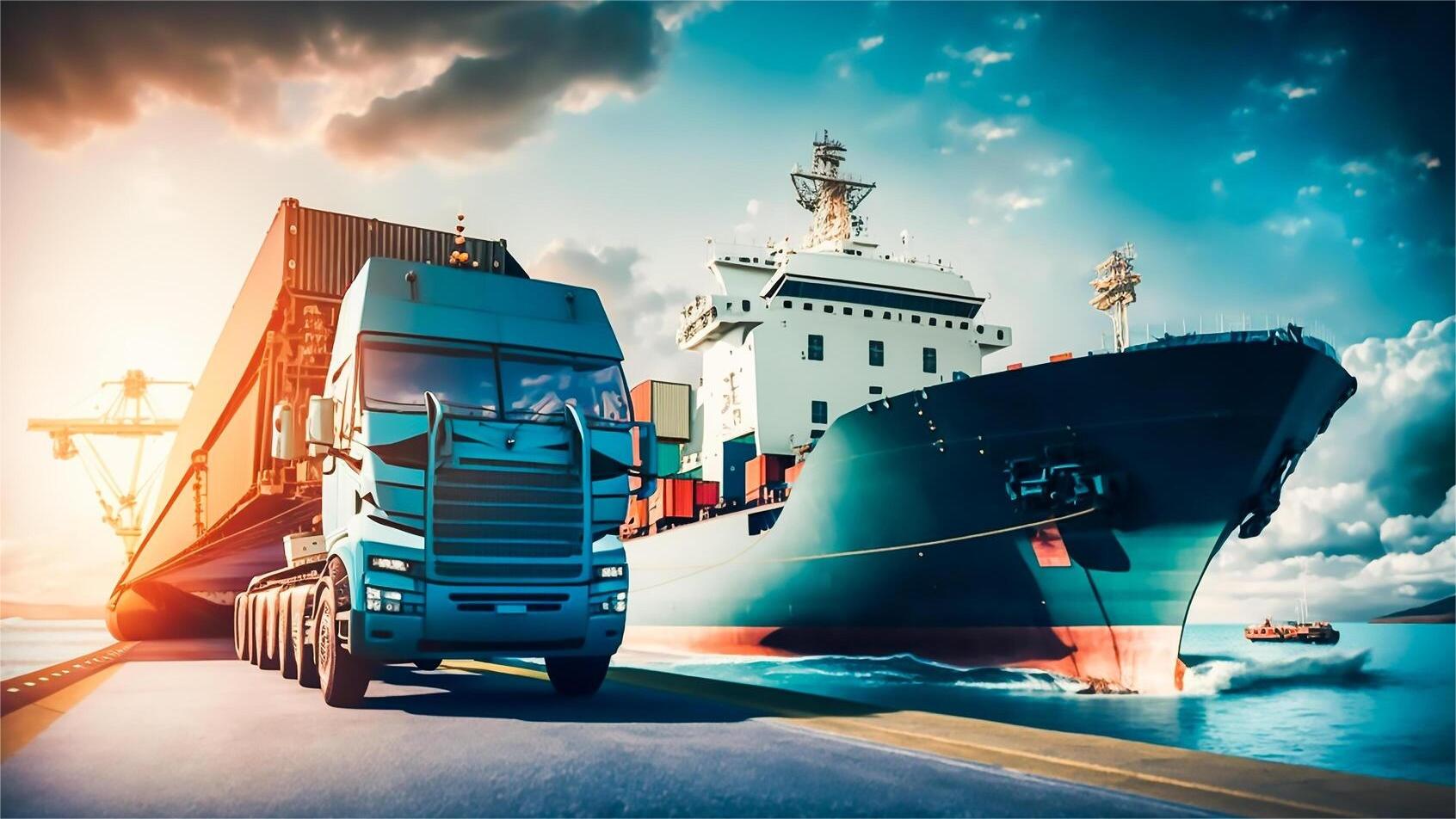
Several interconnected factors are contributing to the current China sea freight increase. Firstly, geopolitical events, such as disruptions in the Red Sea and Panama Canal, force longer shipping routes. This immediately translates into higher fuel consumption and extended transit times for vessels.
Additionally, port congestion remains a persistent issue at major global hubs. Consequently, ships face longer waiting periods, leading to delays and increased operational costs for carriers. Furthermore, a fluctuating demand, especially post-pandemic and due to an e-commerce boom, strains available capacity, driving rates upward.
Understanding the Impact of Rising Sea Freight Costs
The implications of a sustained China sea freight increase are far-reaching for businesses. Primarily, it leads to significantly higher landed costs for imported goods. This can erode profit margins or necessitate price adjustments for consumers, impacting market competitiveness.
Moreover, rising freight rates often contribute to supply chain disruptions. Unpredictable costs make budgeting difficult and can delay product launches. Therefore, proactive planning and robust inventory management strategies become absolutely crucial for businesses to maintain stability amidst these challenges.
Strategies to Mitigate Rising Shipping Costs from China
Navigating the landscape of increased shipping expenses requires strategic foresight. One effective approach involves early booking of your shipments, ideally several weeks in advance. This can often secure better rates before peak demand surcharges apply.
Furthermore, consider optimizing your cargo volume. For smaller shipments, combining multiple consignments into Less than Container Load (LCL) can be more cost-effective than a partial Full Container Load (FCL). Conversely, for larger volumes, securing an FCL might offer better per-unit pricing. Exploring alternative shipping methods, such as air freight for urgent goods or rail freight for certain inland routes, can also provide flexibility and cost savings.
Developing strong relationships with reputable freight forwarders is another vital strategy. They can offer insights into market trends and negotiate better rates on your behalf. Additionally, looking into diversified shipping routes can help avoid congested areas, reducing both costs and transit times.
How Does Sea Freight Compare to Other Shipping Options?
When facing a China sea freight increase, evaluating alternative shipping methods becomes essential. Each option presents a unique balance of cost, speed, and capacity. Sea freight remains the most economical choice for bulk goods, albeit with longer transit times.
However, for time-sensitive cargo, air freight offers unparalleled speed but at a significantly higher cost. Rail freight provides a middle ground for specific routes, balancing cost and speed effectively. Express services are ideal for small, urgent parcels.
| Shipping Method | Cost Range (China to Europe/USA) | Transit Time (China to Europe/USA) | Key Characteristics |
|---|---|---|---|
| Sea Freight (FCL 40HQ) | $3,000 – $6,000 | 18 – 35 days | Most economical for large, non-urgent volumes. Slowest method, prone to port congestion and longer transit times. |
| Air Freight | $5 – $10 per kg | 3 – 7 days | Fastest for urgent, high-value, or perishable goods. Most expensive with size/weight limitations. |
| Rail Freight | $0.8 – $1.5 per kg | 15 – 20 days | Good balance of cost and speed for European destinations. Limited route availability, not suitable for all global trade lanes. |
| Express Service | $10 – $20 per kg | 2 – 5 days | Ideal for small, urgent parcels and samples. Very high cost for larger or heavier shipments. |
Which Shipping Option Should You Choose?
Selecting the right shipping method largely depends on your specific business priorities. If budget is your primary concern, and you have ample lead time, then sea freight is typically the most cost-effective solution for bulk shipments. This method is ideal for non-perishable, large-volume goods where speed is secondary.
Conversely, if speed is paramount, particularly for urgent orders or high-value items with tight deadlines, air freight provides the quickest delivery schedule. For cargo types that require a balance between cost and speed, especially for destinations in Europe, rail freight can be a compelling alternative. Volume thresholds also play a critical role; LCL might be suitable for smaller consignments, while FCL is more economical for larger volumes. Consider hybrid solutions, such as sea-air combinations, to optimize both cost and transit time for specific scenarios.
Real-World Scenarios: Navigating Increased Freight Rates
Understanding how businesses adapt to the China sea freight increase through practical examples offers valuable insights. These case studies highlight diverse strategies for optimizing logistics.
Based on Q3 2024 market rates, these examples demonstrate typical outcomes under varying conditions.
Case Study 1: Large Volume Import to Europe
This scenario illustrates managing high-volume imports amidst fluctuating rates.
| Detail | Value |
|---|---|
| Route | Ningbo, China -> Hamburg, Germany |
| Cargo | Furniture components, 55 CBM, 12,000 kg |
| Container | 1 x 40HQ |
| Carrier/Service | Major carrier (e.g., COSCO) |
| Port of Loading | Ningbo |
| Port of Discharge | Hamburg |
| Route Type | Transshipment via Singapore |
| Ocean Freight | $3,800 |
| Origin Charges (THC, documentation) | $450 |
| Destination Charges | $600 |
| Customs & Duties (estimated) | $750 |
| Total Landed Cost | $5,600 |
| Booking to Loading | 7 days |
| Sea Transit | 32 days |
| Customs Clearance | 3 days |
| Total Door-to-Door | 45 days |
| Key Insight | Opting for transshipment saved 10-15% on ocean freight compared to direct, balancing cost and slightly longer transit. |
Case Study 2: E-commerce Goods to USA West Coast
This example focuses on efficient shipping for e-commerce, often utilizing services like Amazon FBA.
| Detail | Value |
|---|---|
| Route | Shenzhen, China -> Los Angeles, USA |
| Cargo | Consumer electronics, 10 CBM, 1,800 kg |
| Container | LCL 10 CBM |
| Carrier/Service | Consolidator service |
| Port of Loading | Shenzhen |
| Port of Discharge | Los Angeles |
| Route Type | Direct |
| Ocean Freight | $800 (per CBM rate) |
| Origin Charges (THC, documentation) | $300 |
| Destination Charges | $400 |
| Customs & Duties (estimated) | $250 |
| Total Landed Cost | $1,750 |
| Booking to Loading | 5 days |
| Sea Transit | 16 days |
| Customs Clearance | 2 days |
| Total Door-to-Door | 25 days |
| Key Insight | LCL proved cost-effective for this volume, avoiding the expense of a partially empty FCL. Expedited clearance minimized delays. |
Case Study 3: Urgent Components to Australia
This case highlights a situation where speed outweighs the typical China sea freight increase considerations.
| Detail | Value |
|---|---|
| Route | Shanghai, China -> Sydney, Australia |
| Cargo | Manufacturing parts, 2 CBM, 350 kg |
| Container | Air Freight (Express) |
| Carrier/Service | Express courier |
| Port of Loading | Shanghai PVG |
| Port of Discharge | Sydney SYD |
| Route Type | Direct Air |
| Air Freight | $2,100 (approx. $6/kg) |
| Origin Charges (documentation, handling) | $150 |
| Destination Charges | $100 |
| Customs & Duties (estimated) | $180 |
| Total Landed Cost | $2,530 |
| Booking to Loading | 1 day |
| Air Transit | 3 days |
| Customs Clearance | 1 day |
| Total Door-to-Door | 7 days |
| Key Insight | Despite higher costs, air express was chosen for critical components, preventing a production line shutdown. This exemplifies when the total cost of delay surpasses the freight cost savings. |

Market Outlook: What to Expect for China Sea Freight Rates
The trajectory of the China sea freight increase is influenced by various global economic and logistical factors. As of early 2025, freight rates from China to major destinations have shown some stabilization after the volatility of 2024. Nevertheless, underlying pressures persist, suggesting continued vigilance is necessary.
Market data suggests that seasonal patterns will continue to impact pricing significantly. Rates typically increase by 15-25% during the August-October peak season, driven by holiday demand. Furthermore, potential geopolitical shifts or unforeseen supply chain disruptions could trigger renewed rate surges. Therefore, maintaining flexible logistics strategies is crucial for adapting to these dynamic market conditions.
Optimizing Your Supply Chain with Expert Logistics
Effectively managing the China sea freight increase ultimately hinges on robust supply chain optimization. Partnering with a skilled freight forwarder, like China Top Freight, provides access to expertise in navigating complex international shipping regulations. They can streamline your customs brokerage, ensuring compliance and avoiding costly delays.
Moreover, leveraging comprehensive services such as door to door delivery simplifies your logistics process. This integrated approach ensures seamless transitions from origin to final destination, reducing administrative burden and potential complications. An experienced logistics partner offers not just transportation but also strategic advice, helping you anticipate market changes and implement cost-saving measures proactively.

Navigating the Future of China Sea Freight
In conclusion, the ongoing China sea freight increase presents significant challenges, yet opportunities exist for businesses that adapt strategically. Understanding the causes, impacts, and mitigation strategies is vital for maintaining a resilient supply chain. By embracing flexible planning, leveraging alternative shipping methods, and partnering with expert logistics providers, you can effectively manage costs and ensure timely deliveries.
The key to success lies in proactive management and informed decision-making. Staying abreast of market trends and optimizing your freight operations will undoubtedly secure your competitive edge in the global marketplace, even with a volatile China sea freight increase. Note: Freight rates are subject to change based on fuel costs, carrier capacity, and seasonal demand. Contact us for a current quote tailored to your specific shipment.
Need a tailored shipping solution?
The fluctuating China sea freight increase demands a proactive and informed approach. Do not let rising costs impact your bottom line. Contact us today for a personalized quote and expert guidance on optimizing your shipping from China.